
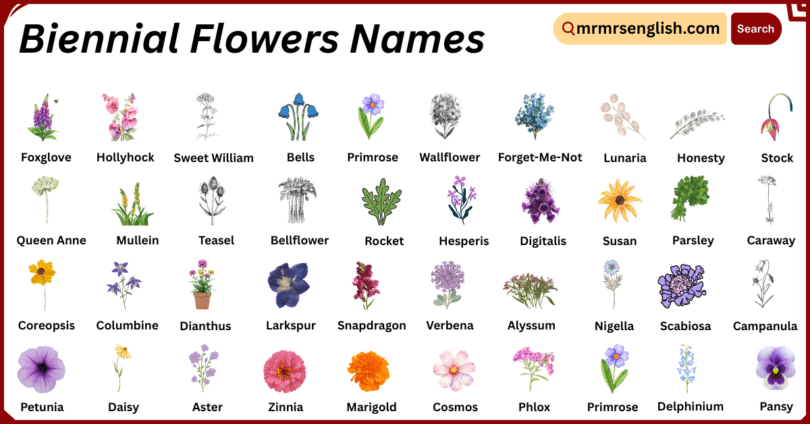
Biennial flowers are plants that complete their life cycle over two growing seasons. In the first year, they usually grow leaves and roots, while in the second year, they produce beautiful flowers, set seeds, and complete their growth. Learning the names of biennial flowers is a great way to improve your English vocabulary while understanding different types of flowering plants. In this article, you will learn biennial flowers names in English with clear pictures, helping kids, students, gardeners, teachers, and English learners identify, remember, and use these flower names with confidence.
Table of Contents
ToggleWhat Are Biennial Flowers?
Biennial flowers are flowering plants that need two growing seasons to complete their life cycle. In the first year, they focus on growing healthy leaves and roots. During the second year, they bloom, produce seeds, and then naturally die after completing their growth. Many gardeners grow biennial flowers because they produce colorful blooms during their second season.
Easy Example Sentences
- We planted foxgloves in the garden.
- My grandmother grows hollyhocks every year.
- Sweet William has colorful flowers.
- The forget-me-nots bloom in spring.
- Canterbury bells look beautiful near the fence.
- Bees visit the wallflowers every morning.
- We collected seeds from the honesty plant.
- The dame’s rocket smells wonderful.
- Our garden has many biennial flowers.
- The common mullein grew very tall.
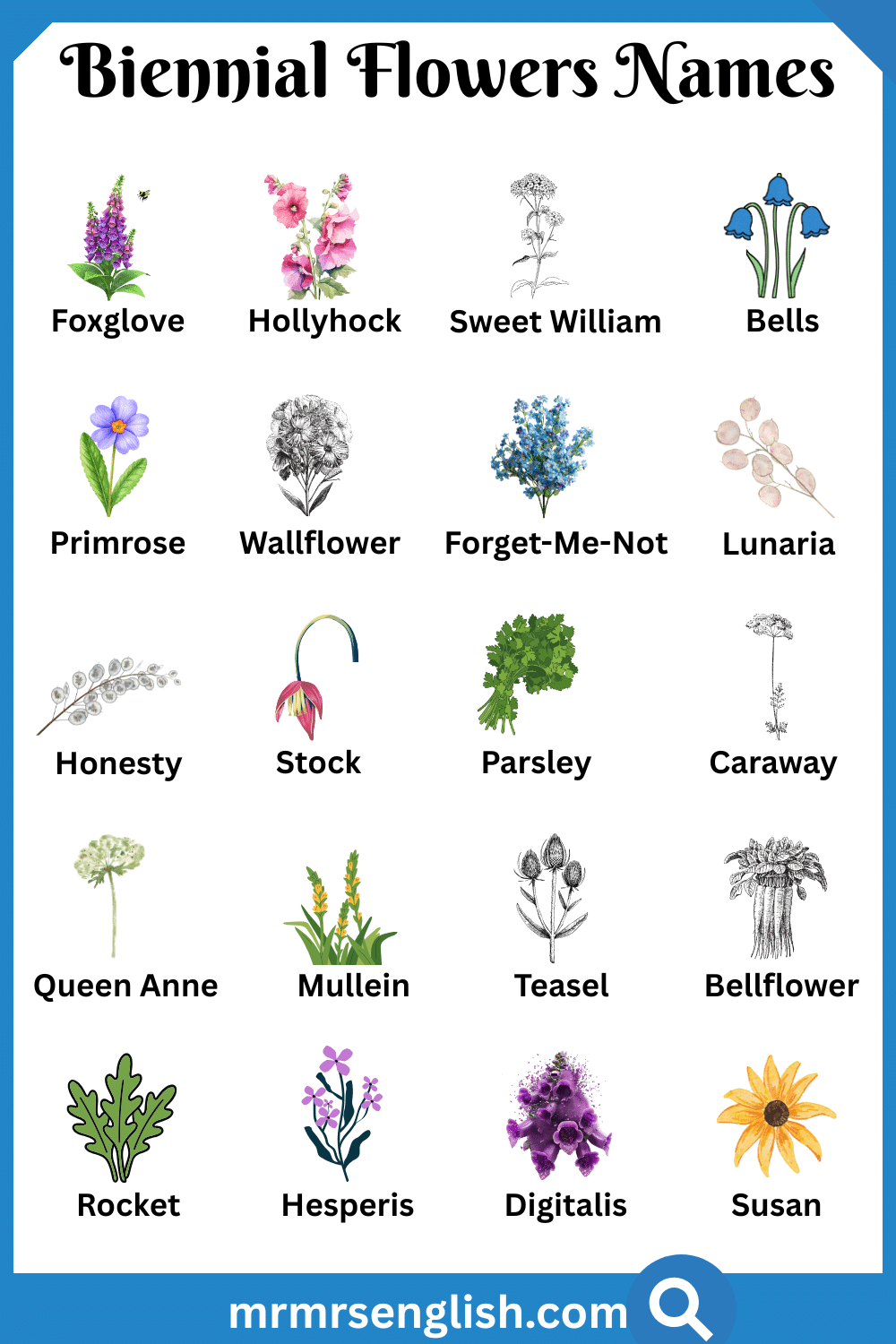
20 Names of Biennial Flowers
- Foxglove
- Hollyhock
- Sweet William
- Bells
- Primrose
- Wallflower
- Forget-Me-Not
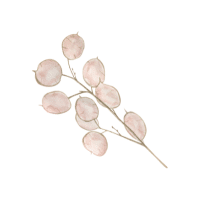
- Lunaria
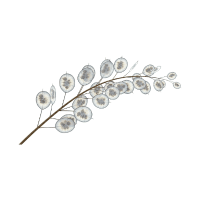
- Honesty
- Stock
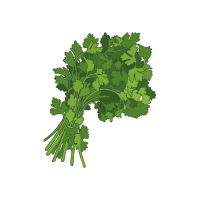
- Parsley
- Caraway
- Queen Anne
- Mullein
- Teasel
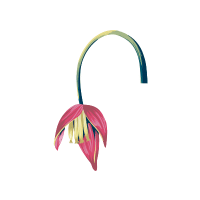
- Bellflower
- Rocket
- Hesperis
- Digitalis
- Susan
Common Names of Biennial Flowers in English with Pictures
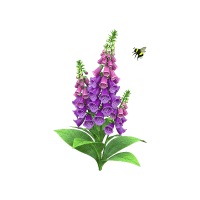
- Foxglove
A tall plant with tube-shaped flowers blooming in the second year.

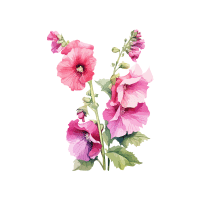
- Hollyhock
A tall flowering plant producing large blooms in its second year.
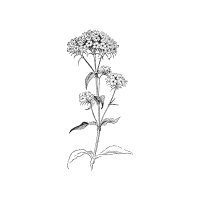
- Sweet William
A colorful, clustered flower blooms fully during the second growing season.
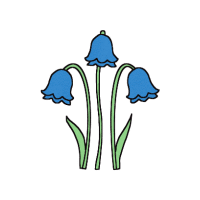
- Bells
A plant producing bell-shaped flowers during its flowering year.
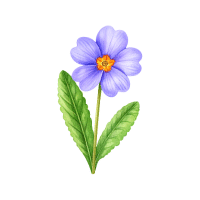
- Primrose
A small flower blooming in cool weather during second year.
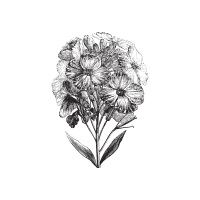
- Wallflower
A fragrant plant producing flowers in its second growth year.
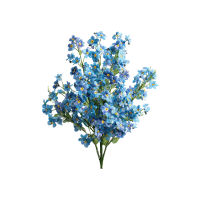
- Forget-Me-Not
A tiny blue flower blooming during second year growth cycle.
- Lunaria
A plant known for seed pods forming after second year flowering.
- Honesty
A plant with decorative seed pods appearing after blooming.
- Stock
A fragrant flower that blooms during its second year.
- Parsley
A herb producing flowers and seeds in second year.
- Caraway
A plant producing seeds after flowering in second year.
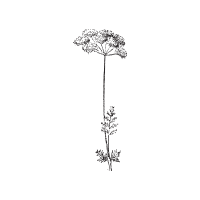
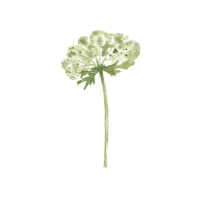
- Queen Anne
A wild plant with white flowers blooming in second year.
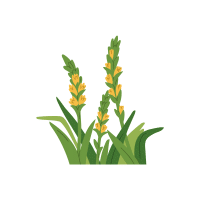
- Mullein
A tall plant producing yellow flowers during second year.
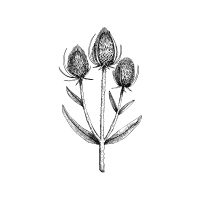
- Teasel
A spiky plant blooming and producing seeds in second year.
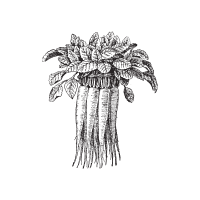
- Bellflower
A plant with bell-shaped blooms appearing in second season.
- Rocket
A flowering plant blooming fully during its second year.
- Hesperis
A fragrant plant producing flowers in its second year.
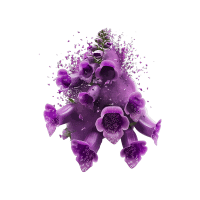
- Digitalis
A plant with tubular flowers blooming during second season.
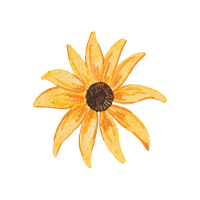
- Susan
A bright flower blooming strongly during its flowering year.


Common Names of Biennial Flowers in English with Pictures
Common Names of Biennial Flowers in English
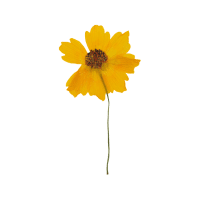
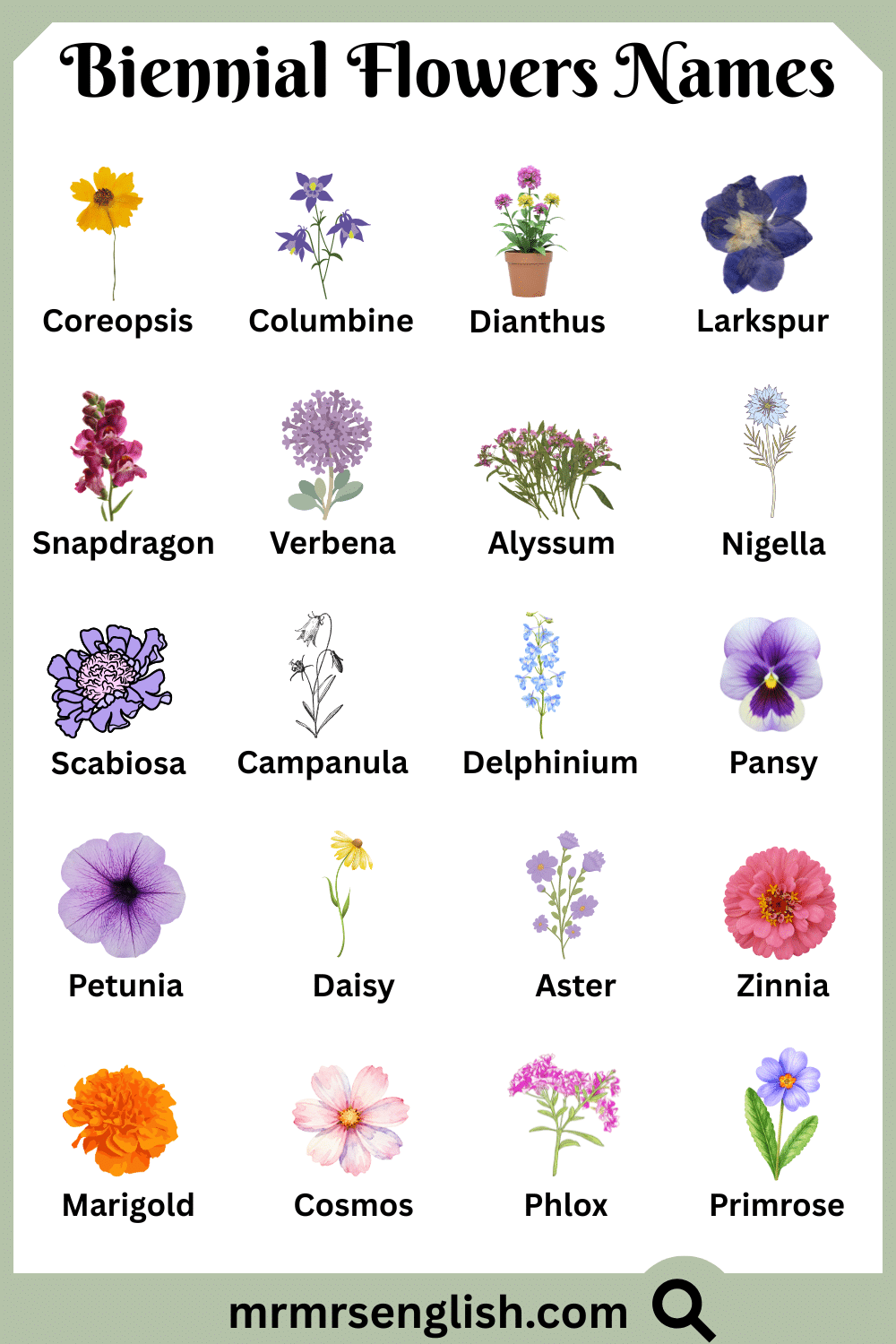
- Coreopsis
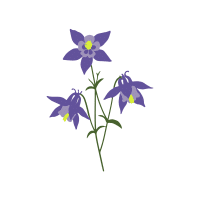
- Columbine
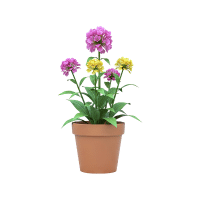
- Dianthus
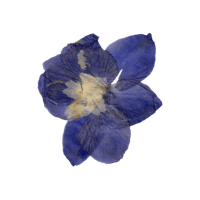
- Larkspur
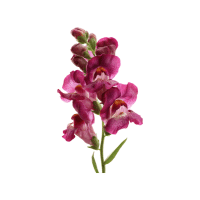
- Snapdragon
- Verbena
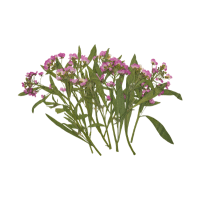
- Alyssum
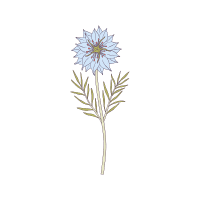
- Nigella
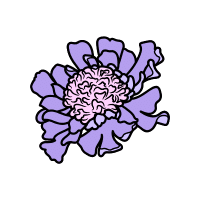
- Scabiosa
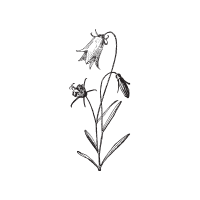
- Campanula
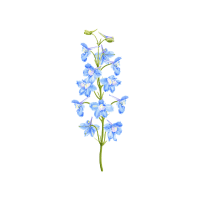
- Delphinium
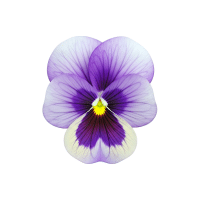
- Pansy
- Petunia
- Daisy
- Aster
- Zinnia
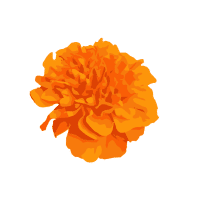
- Marigold
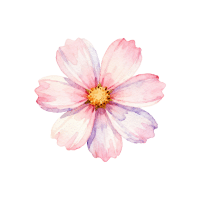
- Cosmos
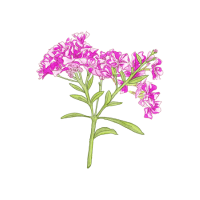
- Phlox
- Primrose
Types of Biennial Flowers in English with Pictures
- Coreopsis
A bright flower that can bloom during second growing season.
- Columbine
A delicate flower blooming during second year in gardens.
- Dianthus
A fragrant flower blooming during second season growth.
- Larkspur
A tall flower blooming in its flowering second year.
- Snapdragon
A flower with unique blooms appearing during second season.
- Verbena
A plant producing clusters of flowers in second year.
- Alyssum
A small flower blooming quickly in second growth stage.
- Nigella
A delicate flower producing seeds after second year bloom.
- Scabiosa
A soft flower blooming during second growing season.
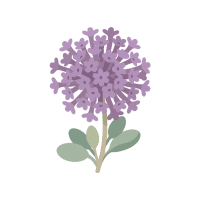
- Campanula
A bell-shaped flower blooming in its second year.
- Delphinium
A tall plant producing flowers in second growth season.
- Pansy
A colorful flower blooming during cool second season.
- Petunia
A flowering plant blooming fully during its growth cycle.
- Daisy
A simple flower blooming during its flowering stage.
- Aster
A star-shaped flower blooming in later growth stage.
- Zinnia
A bright flower blooming during its flowering period.
- Marigold
A colorful flower blooming strongly in growing season.
- Cosmos
A delicate flower blooming during its flowering time.
- Phlox
A clustered flower blooming during its growth period.
- Primrose
A soft flower blooming in cool seasonal conditions.
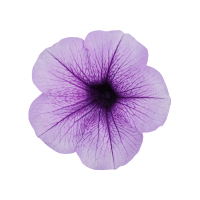
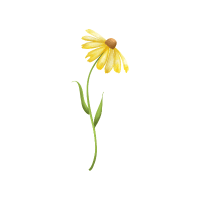
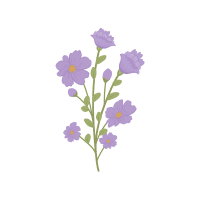
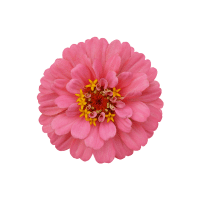
Types of Biennial Flowers in English with Pictures
Characteristics of Biennial Flowers
Biennial flowers have several unique features.
- Complete their life cycle in two years.
- Grow leaves and roots during the first year.
- Bloom and produce seeds in the second year.
- Many attract butterflies and bees.
- Popular in home gardens and flower borders.
- Available in many colors and sizes.
Life Cycle of Biennial Flowers
First Year
During the first growing season, the plant develops:
- Strong roots
- Healthy leaves
- Short stems
- Food reserves for future flowering
The plant usually does not produce flowers during this stage.
Second Year
In the second growing season, the plant begins to:
- Grow taller stems
- Produce colorful flowers
- Form seeds
- Complete its life cycle naturally
Popular Biennial Flowers and Their Uses
| Flower | Common Uses |
|---|---|
| Foxglove | Cottage gardens and decorative borders. |
| Hollyhock | Garden backgrounds and fences. |
| Sweet William | Flower beds and bouquets. |
| Canterbury Bells | Decorative gardens and floral displays. |
| Forget-Me-Not | Ground cover and spring gardens. |
| Wallflower | Borders and containers. |
| Dame’s Rocket | Wildlife-friendly gardens. |
| Honesty | Decorative seed pods and dried arrangements. |
Biennial Flowers Vocabulary for English Learners
| Word | Easy Meaning |
|---|---|
| Biennial | A plant that finishes its life cycle in two years. |
| Bloom | To produce flowers. |
| Blossom | A flower growing on a plant. |
| Seed | The part that grows into a new plant. |
| Stem | The main support of a plant. |
| Root | The underground part that absorbs water and nutrients. |
| Leaf | The green part that makes food for the plant. |
| Garden | A place where plants and flowers are grown. |
| Pollination | The process that helps flowers produce seeds. |
| Germination | The process of a seed beginning to grow. |
Difference Between Annual, Biennial, and Perennial Flowers
| Type | Life Cycle | Example |
|---|---|---|
| Annual | Completes life cycle in one year. | Marigold |
| Biennial | Completes life cycle in two years. | Foxglove |
| Perennial | Lives and blooms for many years. | Lavender |
Benefits of Growing Biennial Flowers
Biennial flowers offer many advantages.
- Produce attractive seasonal blooms.
- Support bees, butterflies, and other pollinators.
- Add color to gardens in the second year.
- Many varieties reseed naturally.
- Suitable for cottage and ornamental gardens.
- Available in many shapes and colors.
Learn more Helpful Articles





Leave a Comment