
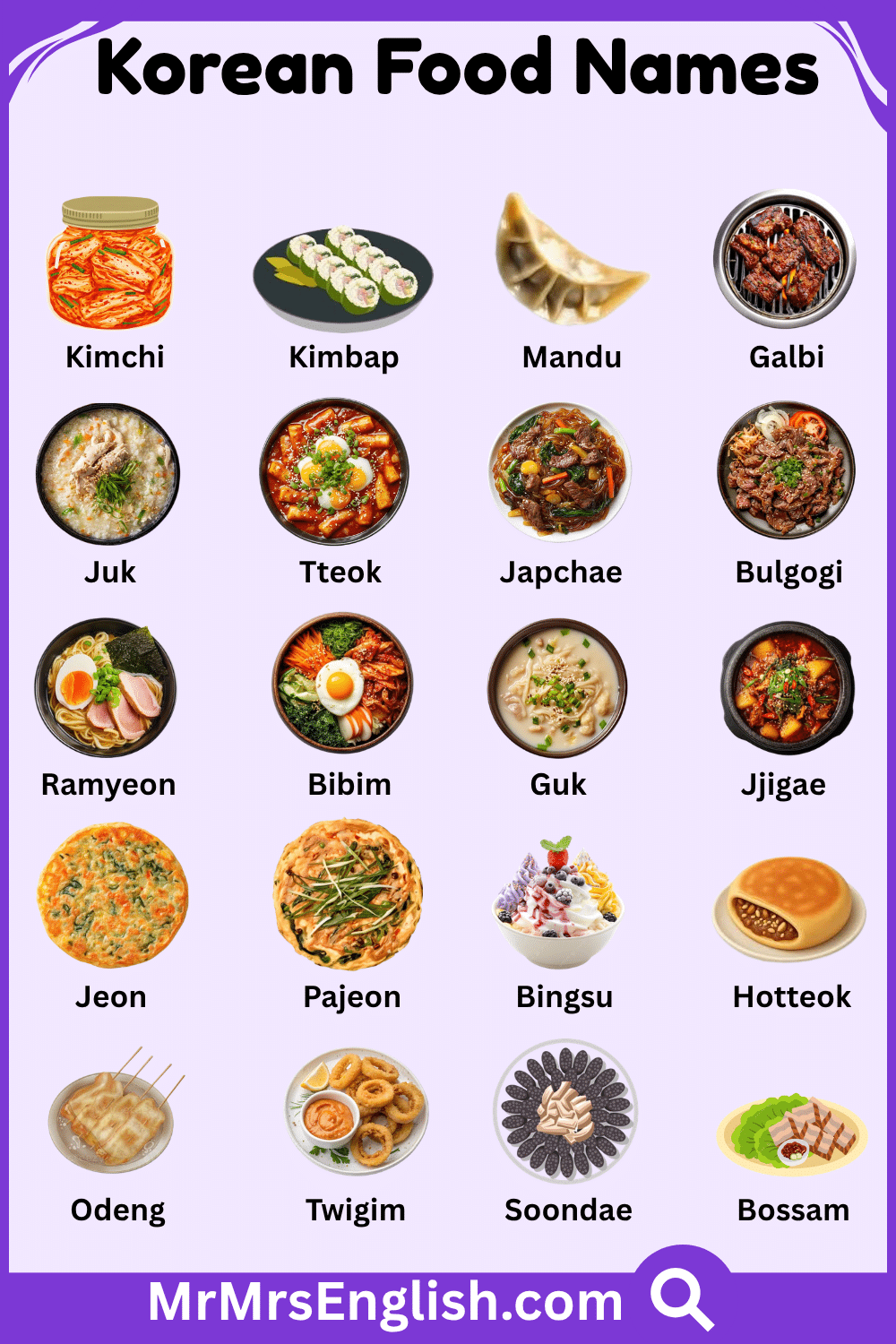
Korean food is known for its bold flavors, colorful ingredients, fermented dishes, and delicious combinations of spicy, sweet, and savory tastes. Popular Korean dishes include kimchi, bibimbap, bulgogi, tteokbokki, kimbap, japchae, and Korean fried chicken. Korean cuisine also features a variety of soups, noodles, rice dishes, side dishes, and traditional desserts. Learning the names of these foods helps readers explore Korean culture, recognize popular dishes, and improve their English food vocabulary. Pictures make learning more engaging by showing what each dish looks like. In this article, you will learn Korean food names with their pictures, helping kids, students, teachers, food lovers, and English learners recognize popular Korean dishes and expand their vocabulary easily.
List of Korean Food Names in English
- Kimchi
- Kimbap
- Mandu
- Galbi
- Juk
- Tteok
- Japchae
- Bulgogi
- Ramyeon
- Bibim
- Guk
- Jjigae
- Jeon
- Pajeon
- Bingsu
- Hotteok
- Odeng
- Twigim
- Soondae
- Bossam
Pictures of Korean Food with Names
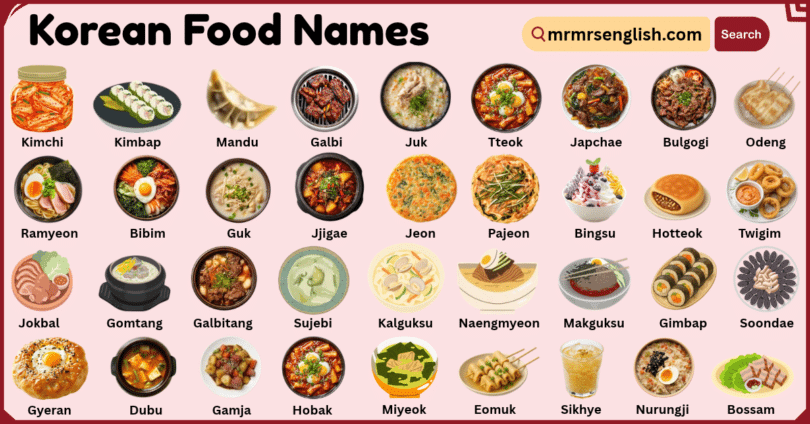
- Kimchi
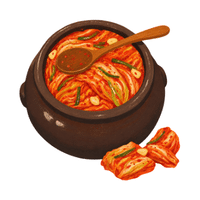
Kimchi is a traditional Korean side dish made from fermented vegetables, usually cabbage or radish. It has a tangy, spicy flavor and is served with many Korean meals.

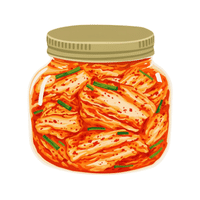
- Kimbap
Kimbap is a Korean rice roll filled with vegetables, egg, meat, or fish. It is wrapped in seaweed and cut into bite-sized pieces.
- Mandu
Mandu are Korean dumplings filled with meat, vegetables, tofu, or other ingredients. They can be steamed, boiled, pan-fried, or deep-fried.
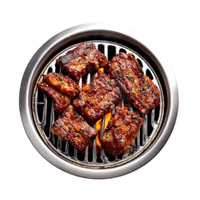
- Galbi
Galbi is a Korean dish made with marinated beef or pork ribs. The meat is usually grilled and served with rice and side dishes.
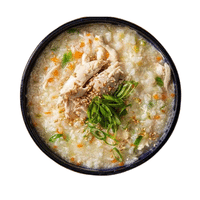
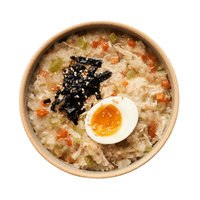
- Juk
Juk is a Korean rice porridge made by cooking rice with plenty of water or broth. It is soft, warm, and often prepared with meat, seafood, or vegetables.
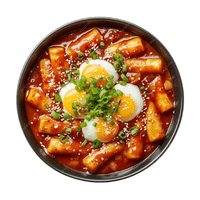
- Tteok
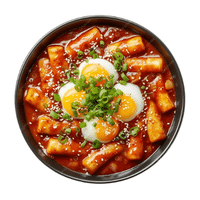
Tteok refers to traditional Korean rice cakes made from rice flour. They come in many shapes and flavors and are enjoyed during celebrations and everyday meals.
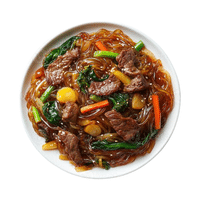
- Japchae
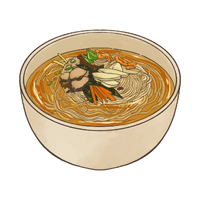
Japchae is a Korean noodle dish made with sweet potato glass noodles, vegetables, and sometimes meat. It is seasoned with soy sauce and sesame oil.
- Bulgogi
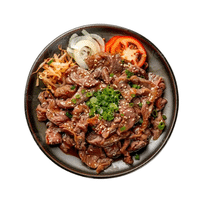
Bulgogi is a popular Korean dish made with thin slices of beef marinated in a sweet and savory sauce. The meat is usually grilled or stir-fried.
- Ramyeon
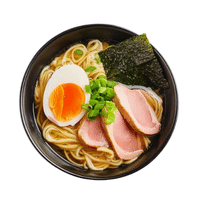
Ramyeon is Korean instant noodle soup commonly prepared with a flavorful broth and seasonings. It can include eggs, vegetables, meat, or seafood.
- Bibim
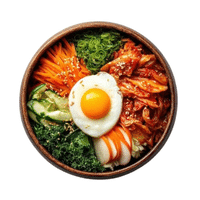
Bibim means “mixed” in Korean and appears in the names of mixed Korean dishes. These foods often combine rice or noodles with vegetables, sauces, and other toppings.
- Guk
Guk is a general Korean term for soup. It is commonly prepared with vegetables, meat, seafood, or seaweed and served alongside rice.
- Jjigae
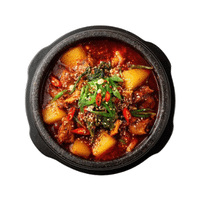
Jjigae is a Korean stew made with ingredients such as tofu, vegetables, meat, or seafood. It is usually served hot in a bowl with rice.
- Jeon
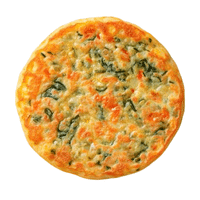
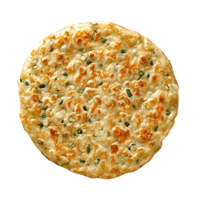
Jeon is a Korean pancake made by coating ingredients in batter or egg and pan-frying them. Common varieties contain vegetables, seafood, meat, or kimchi.
- Pajeon
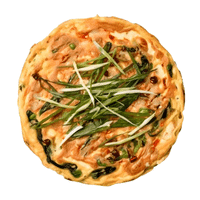
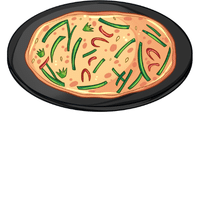
Pajeon is a Korean pancake made mainly with green onions and a savory batter. Some versions include seafood, making it a popular meal or snack.
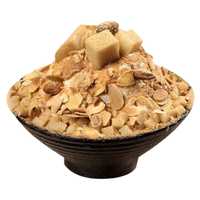
- Bingsu
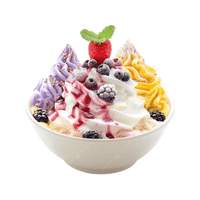
Bingsu is a Korean shaved-ice dessert topped with ingredients such as fruit, sweet beans, condensed milk, or syrup. It is especially popular during warm weather.
- Hotteok
Hotteok is a Korean sweet pancake filled with a mixture often containing brown sugar, cinnamon, and nuts. It is cooked until golden and served warm.
- Odeng
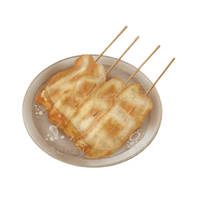
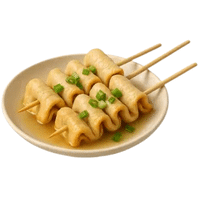
Odeng is a Korean name commonly used for fish cakes. They are often served on skewers in a warm broth as a popular street food.
- Twigim
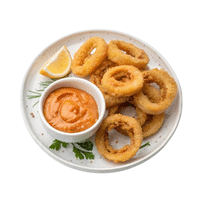
Twigim refers to Korean deep-fried foods, including vegetables, seafood, and other ingredients coated in batter. They are usually served as snacks or street food.
- Soondae
Soondae is a traditional Korean sausage commonly made with a casing filled with ingredients such as glass noodles and rice. It is often served with salt or dipping sauces.
- Bossam
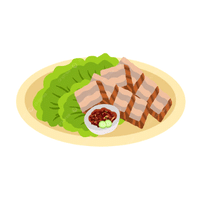
Bossam is a Korean dish of boiled pork sliced and wrapped in leafy vegetables. It is commonly eaten with garlic, sauces, and fermented cabbage.


Pictures of Korean Food with Names
Korean Food Items Names
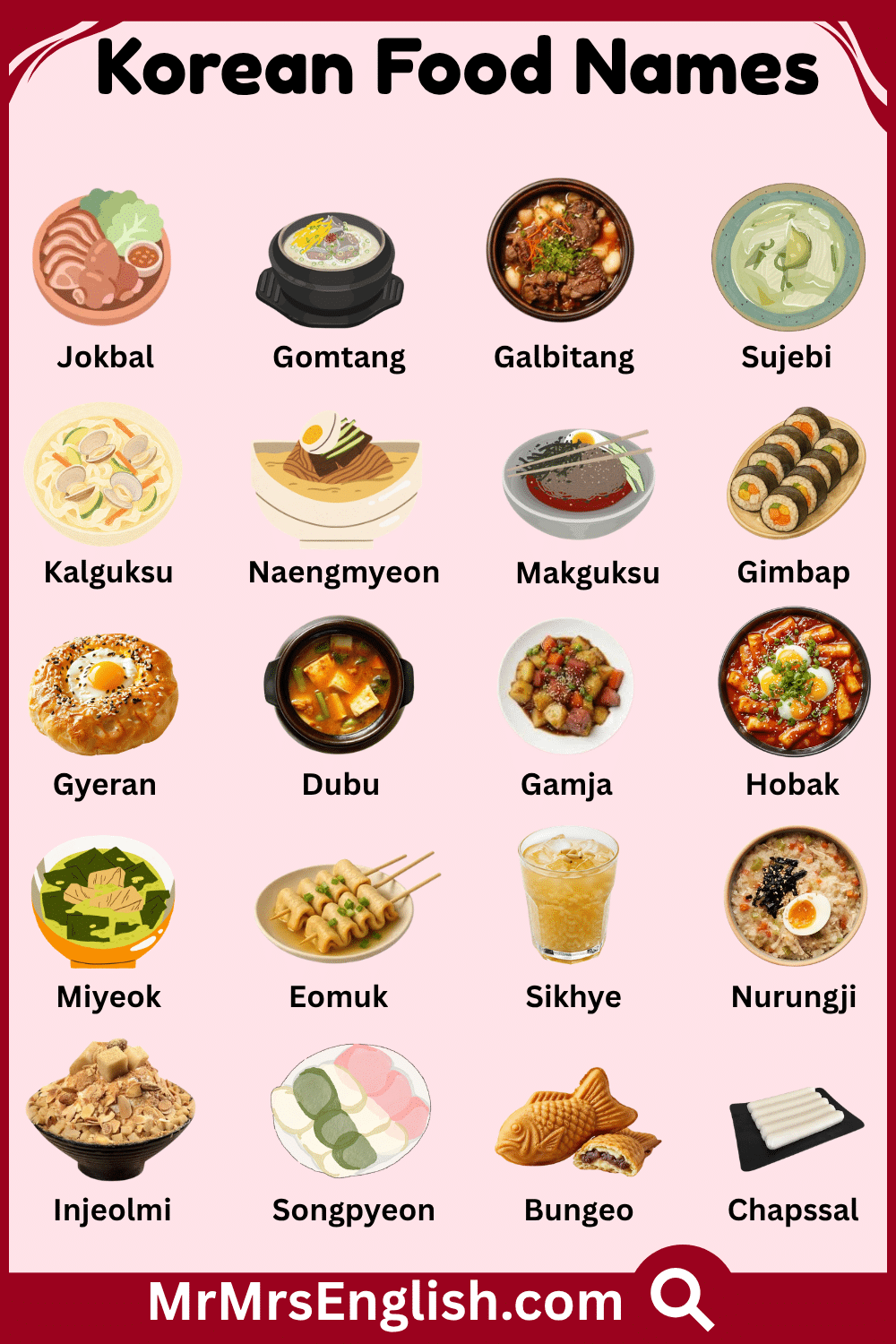
- Jokbal
- Gomtang
- Galbitang
- Sujebi
- Kalguksu
- Naengmyeon
- Makguksu
- Gimbap
- Gyeran
- Dubu
- Gamja
- Hobak
- Miyeok
- Eomuk
- Sikhye
- Nurungji
- Injeolmi
- Songpyeon
- Bungeo
- Chapssal
Learn 20 Types of Korean Food with Pictures
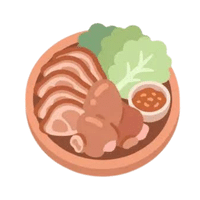
- Jokbal
Jokbal is a Korean dish made from pork trotters slowly cooked with soy sauce, garlic, and seasonings. The meat is tender and usually served in slices.
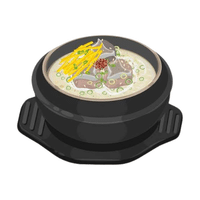
- Gomtang
Gomtang is a Korean soup made by simmering beef bones, meat, or other beef cuts for a rich broth. It is commonly served with rice.
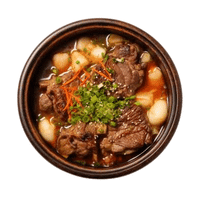
- Galbitang
Galbitang is a Korean beef rib soup prepared by simmering ribs with water and seasonings. It has a savory broth and is often served with rice.
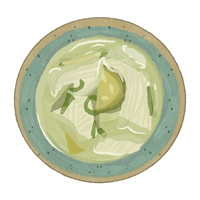
- Sujebi
Sujebi is a Korean soup containing hand-torn pieces of dough cooked in broth. It often includes vegetables and has a soft, comforting texture.
- Kalguksu
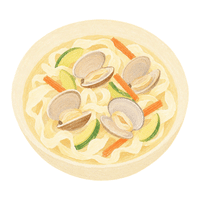
Kalguksu is a Korean noodle soup made with handmade knife-cut noodles. It is commonly served in a warm broth with vegetables, seafood, or chicken.
- Naengmyeon
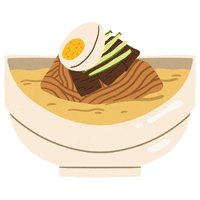
Naengmyeon is a Korean cold noodle dish served with chilled broth or a spicy sauce. It is especially popular during summer.
- Makguksu
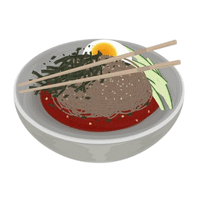
Makguksu is a Korean noodle dish traditionally made with buckwheat noodles. It is often served cold with vegetables and a spicy or tangy dressing.
- Gimbap
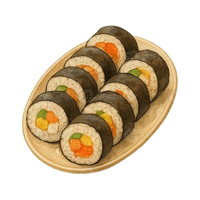
Gimbap is another common spelling of kimbap, a Korean rice roll wrapped in seaweed. It is filled with ingredients such as vegetables, egg, and meat.
- Gyeran
Gyeran is the Korean word for egg and appears in the names of many egg dishes. Eggs are commonly boiled, steamed, rolled, or added to soups.
- Dubu
Dubu is the Korean word for tofu, a food made from soybeans. It is used in soups, stews, side dishes, and many vegetarian meals.
- Gamja
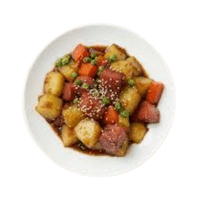
Gamja is the Korean word for potato. Potatoes are used in Korean soups, pancakes, side dishes, and snacks.
- Hobak
Hobak is the Korean word for pumpkin or squash. It is used in dishes such as porridge, pancakes, soups, and vegetable side dishes.
- Miyeok
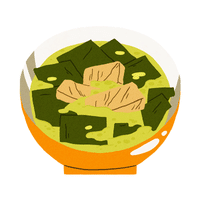
Miyeok is Korean seaweed commonly used in soups and side dishes. It is valued for its mild ocean flavor and is often eaten in traditional meals.
- Eomuk
Eomuk is Korean fish cake made from processed fish and other ingredients. It is commonly served on skewers, in soups, or as a street-food snack.
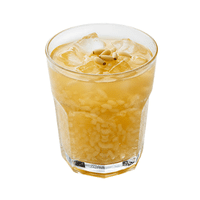
- Sikhye
Sikhye is a traditional Korean sweet rice drink made with cooked rice and malt water. It is usually served chilled as a refreshing dessert beverage.
- Nurungji
Nurungji is the crispy layer of rice that forms at the bottom of a cooking pot. It can be eaten crunchy or softened with hot water.
- Injeolmi
Injeolmi is a Korean rice cake made from sticky rice and coated with roasted soybean powder. It has a soft, chewy texture and a nutty flavor.
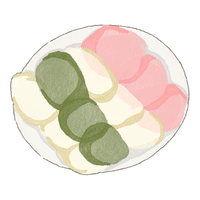
- Songpyeon
Songpyeon is a Korean rice cake traditionally prepared for Chuseok, the Korean harvest festival. It is usually crescent-shaped and filled with ingredients such as sesame seeds or beans.
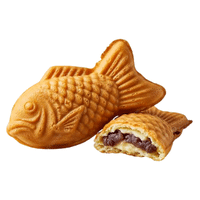
- Bungeo
Bungeo usually refers to fish-shaped Korean pastries, often called bungeoppang. These pastries are commonly filled with sweet red bean paste and cooked in a special mold.
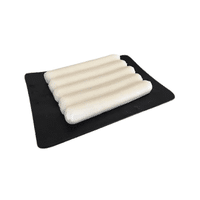
- Chapssal
Chapssal is Korean glutinous rice, known for its sticky texture after cooking. It is used to prepare rice cakes, sweet snacks, and traditional desserts.

Learn 20 Types of Korean Food with Pictures
Various Types of Food in Korea
- Chimaek
- Dakgalbi
- Dakgangjeong
- Samgyeop
- Samgyetang
- Jjamppong
- Jajang
- Gochujang
- Doenjang
- Kongnamul
- Sigeumchi
- Oi Muchim
- Musaengchae
- Kim Mari
- Gopchang
- Ojingeo
- Nakji
- Haemul
- Patbingsu
- Boribap
Names of Food in Korean and Their Pictures
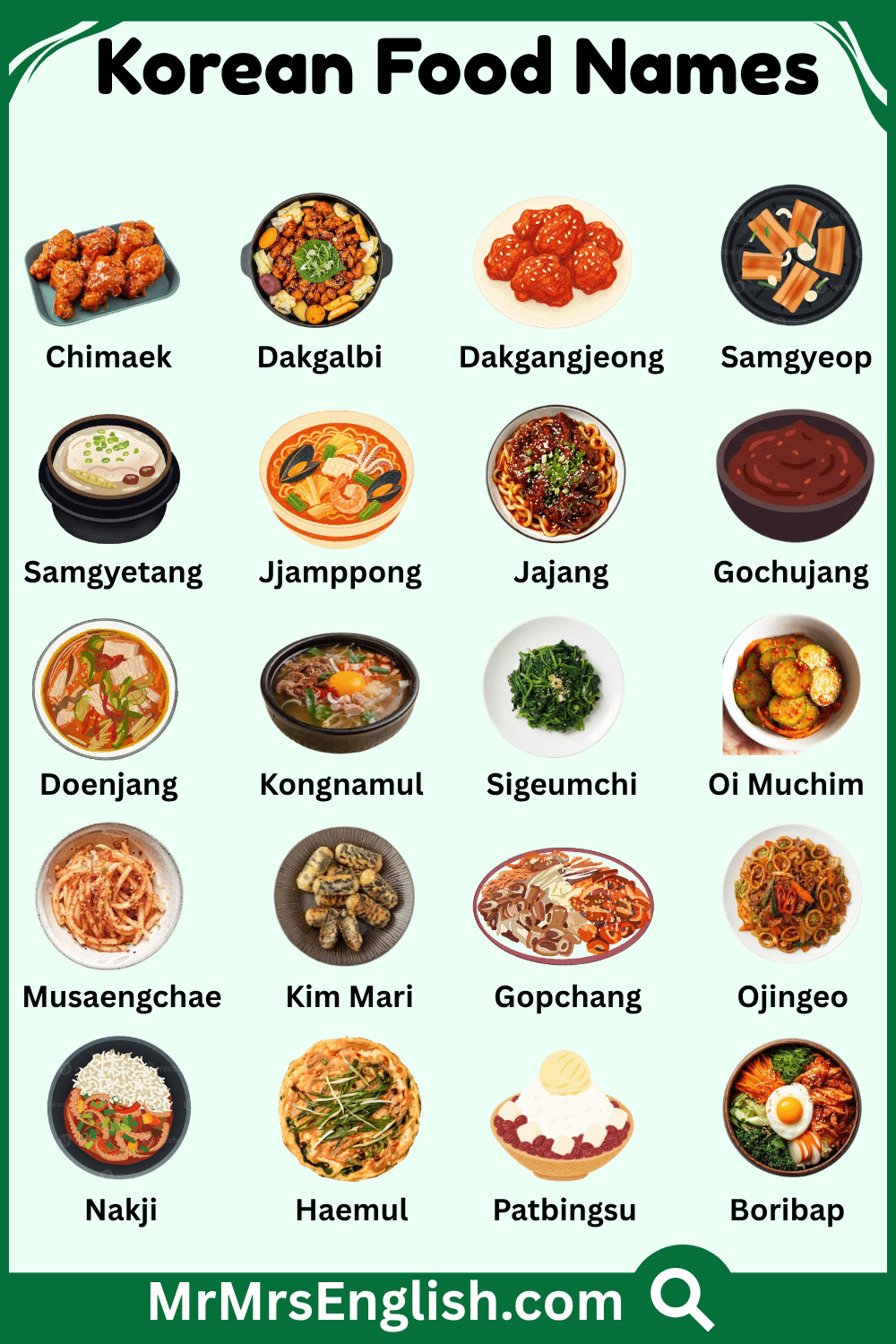
- Chimaek
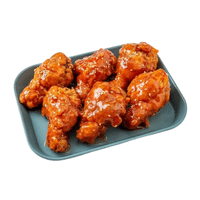
Chimaek is a popular Korean food pairing of fried chicken and beer. The chicken is often served crispy with sauces and side dishes.
- Dakgalbi
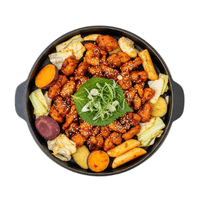
Dakgalbi is a Korean dish made with chicken, vegetables, and spicy gochujang-based sauce. The ingredients are commonly stir-fried together on a large hot pan.
- Dakgangjeong
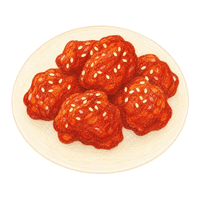
Dakgangjeong is Korean fried chicken coated in a sticky, sweet, and spicy sauce. It is usually served in bite-sized pieces as a snack or meal.
- Samgyeop
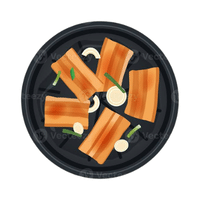
Samgyeop is a shortened form often associated with samgyeopsal, Korean grilled pork belly. The meat is cooked at the table and commonly eaten with lettuce and sauces.
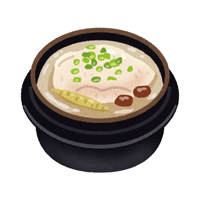
- Samgyetang
Samgyetang is a Korean chicken soup made with a whole small chicken, rice, garlic, and other traditional ingredients. It is served hot and is especially popular in summer.
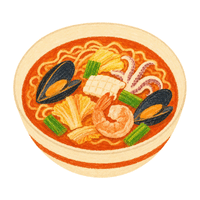
- Jjamppong
Jjamppong is a spicy Korean-Chinese noodle soup made with seafood, vegetables, and a flavorful broth. It is known for its rich, spicy taste.
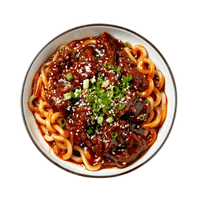
- Jajang
Jajang usually refers to the black bean sauce used in Korean-Chinese dishes. It is commonly served over noodles with vegetables and sometimes pork.
- Gochujang
Gochujang is a traditional Korean fermented chili paste made with chili powder, fermented soybeans, rice, and other ingredients. It adds spicy, savory flavor to many dishes.
- Doenjang
Doenjang is a traditional Korean fermented soybean paste. It is used to make stews, soups, dipping sauces, and other savory foods.
- Kongnamul
Kongnamul refers to Korean soybean sprouts, which are often seasoned with garlic, sesame oil, and salt. They are served as a side dish or added to rice and soups.
- Sigeumchi
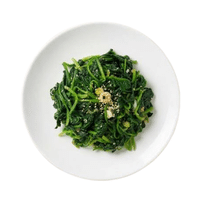
Sigeumchi is the Korean word for spinach. It is commonly blanched and seasoned with garlic, sesame oil, and salt to make a simple side dish.
- Oi Muchim
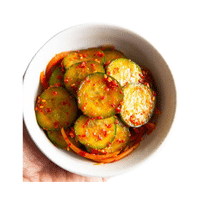
Oi muchim is a Korean cucumber salad made with sliced cucumbers, chili flakes, garlic, vinegar, and seasonings. It has a fresh, crunchy, and tangy flavor.
- Musaengchae
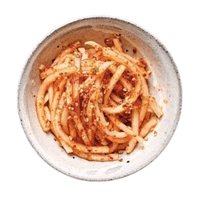
Musaengchae is a Korean radish salad made with thinly sliced or shredded radish. It is commonly seasoned with chili flakes, garlic, vinegar, and sesame seeds.
- Kim Mari
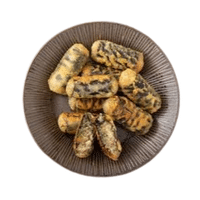
Kim mari is a Korean snack made by wrapping seasoned glass noodles in seaweed, coating them in batter, and frying them until crispy.
- Gopchang
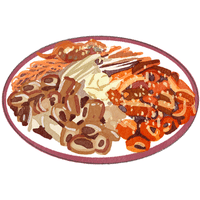
Gopchang is a Korean dish made from small beef or pork intestines. It is often grilled or cooked in a seasoned dish and served with vegetables and dipping sauces.
- Ojingeo
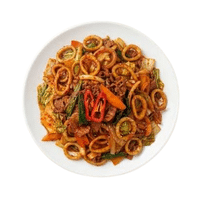
Ojingeo is the Korean word for squid. Squid is used in Korean dishes such as spicy stir-fries, grilled seafood, soups, and dried snacks.
- Nakji
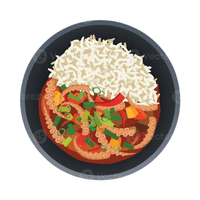
Nakji is the Korean word for small octopus. It is commonly used in spicy stir-fries, noodle dishes, and other seafood recipes.
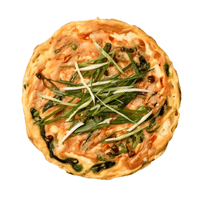
- Haemul
Haemul is the Korean word for seafood and appears in the names of many seafood dishes. It can include shrimp, squid, clams, mussels, and other sea creatures.
- Patbingsu
Patbingsu is a Korean shaved-ice dessert traditionally topped with sweetened red beans. Modern versions may include fruit, ice cream, condensed milk, or sweet rice cakes.
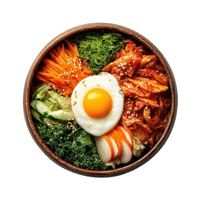
- Boribap
Boribap is a Korean rice dish made with barley, sometimes mixed with other grains. It is often served with vegetables, sauces, and side dishes.


Names of Food in Korean and Their Pictures
20 Names of Korean Food in English
- Yukgaejang
- Seolleongtang
- Tteokguk
- Hobakjuk
- Kongguksu
- Bibim Guksu
- Kimchi Jeon
- Haemul Jeon
- Bindaetteok
- Gyeranjjim
- Mul Naengmyeon
- Bibim Naengmyeon
- Kimchi Jjigae
- Doenjang Jjigae
- Manduguk
- Huraideu
- Yangnyeom
- Jeyuk
- Patjuk
- Kkakdugi
Top Korean Food List with Their Pictures
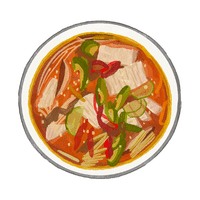
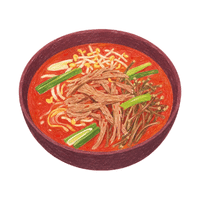
- Yukgaejang
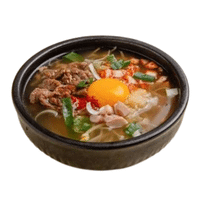
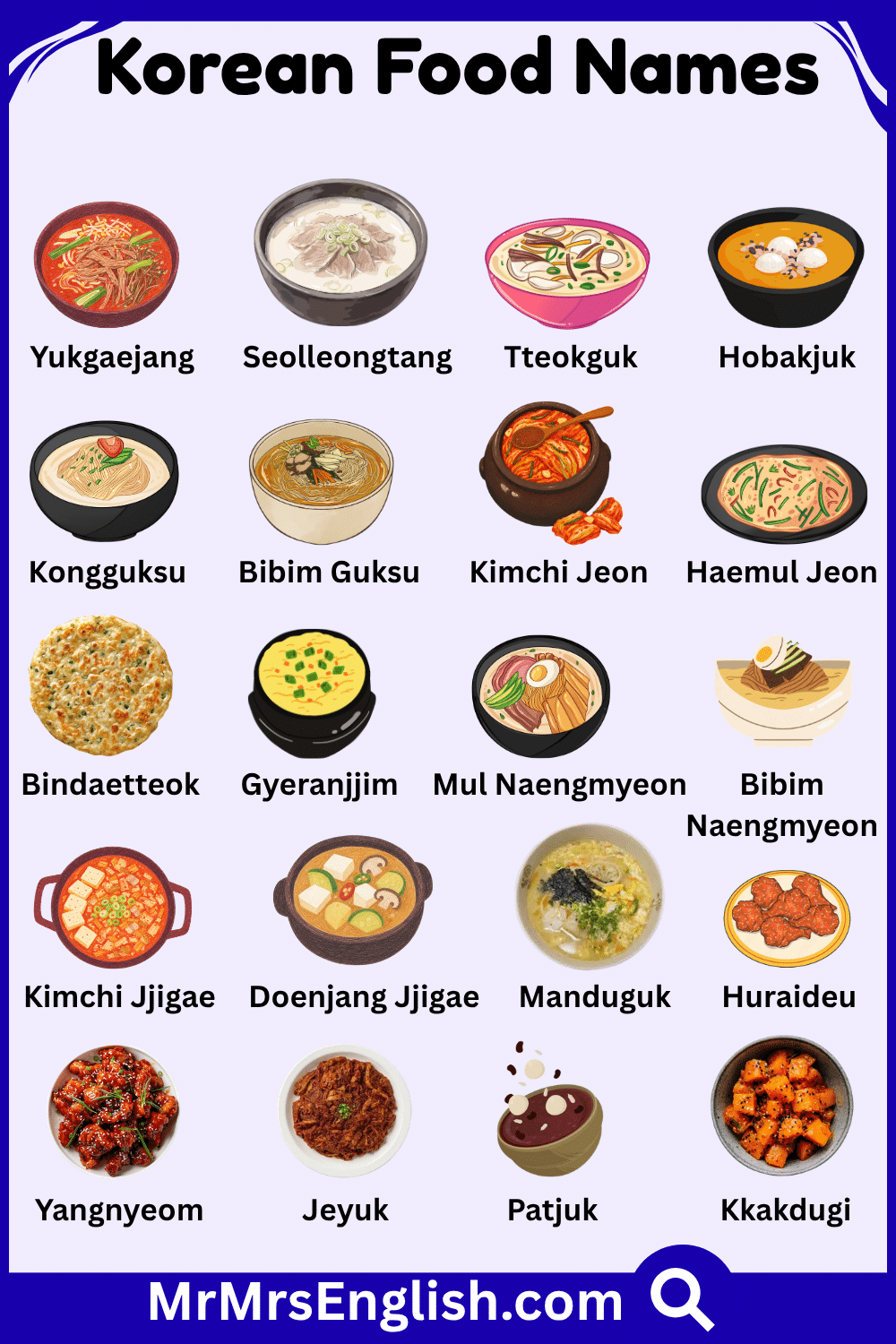
Yukgaejang is a spicy Korean beef soup made with shredded beef, vegetables, and chili seasoning. It has a rich broth and is usually eaten with rice.
- Seolleongtang
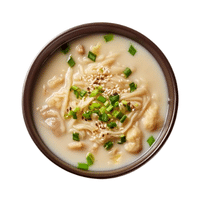
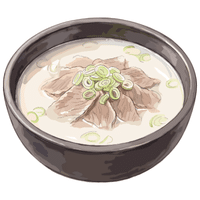
Seolleongtang is a Korean soup made by simmering beef bones for a long time. Its milky-white broth is mild in flavor and commonly served with rice.
- Tteokguk
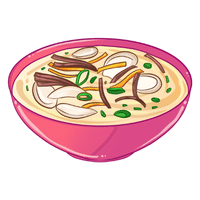
Tteokguk is a Korean soup made with sliced rice cakes in a savory broth. It is traditionally eaten during Korean New Year celebrations.
- Hobakjuk
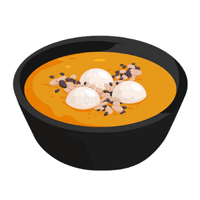
Hobakjuk is a Korean pumpkin porridge made from cooked pumpkin and sometimes glutinous rice flour. It has a smooth texture and a naturally sweet flavor.
- Kongguksu
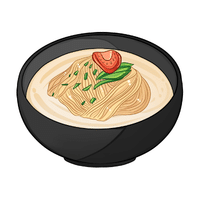
Kongguksu is a Korean cold noodle dish served in a creamy soybean broth. It is especially popular in summer and may be topped with cucumber or sesame seeds.
- Bibim Guksu
Bibim guksu is a Korean cold noodle dish mixed with a spicy, sweet, and tangy sauce. It often includes vegetables and is served chilled.
- Kimchi Jeon
Kimchi jeon is a savory Korean pancake made with chopped kimchi and batter. It is pan-fried until crisp and is often served with a dipping sauce.
- Haemul Jeon
Haemul jeon is a Korean seafood pancake made with ingredients such as shrimp, squid, or other seafood. It is cooked in a pan until golden.
- Bindaetteok
Bindaetteok is a Korean mung bean pancake made with ground mung beans and ingredients such as vegetables or meat. It is pan-fried and often served with dipping sauce.
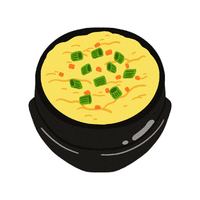
- Gyeranjjim
Gyeranjjim is a Korean steamed egg dish with a soft, fluffy texture. It is commonly seasoned lightly and served as a side dish with rice.
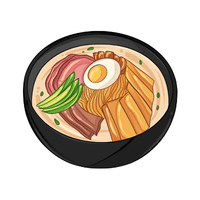
- Mul Naengmyeon
Mul naengmyeon is a Korean cold noodle dish served in a chilled broth. It often includes sliced vegetables, boiled egg, and sometimes meat.
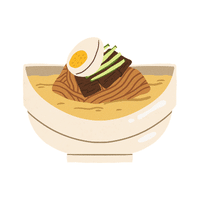
Bibim Naengmyeon
Bibim naengmyeon is a Korean cold noodle dish mixed with a spicy chili-based sauce instead of a large amount of broth. It is usually served chilled.
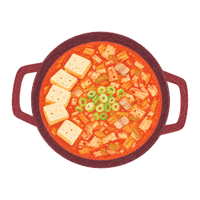
- Kimchi Jjigae
Kimchi jjigae is a Korean stew made with kimchi, tofu, and often pork or other ingredients. It is simmered until the flavors combine and served hot with rice.
- Doenjang Jjigae
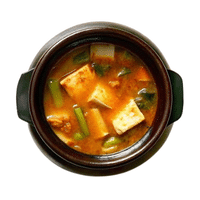
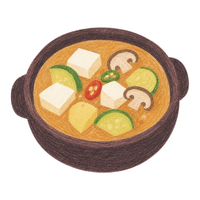
Doenjang jjigae is a Korean soybean-paste stew made with ingredients such as tofu, vegetables, and sometimes seafood or meat. It has a deep, savory flavor.
- Manduguk
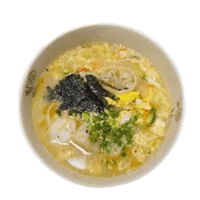
Manduguk is a Korean soup containing mandu dumplings in a savory broth. It may include egg, vegetables, or sliced rice cakes.
- Huraideu
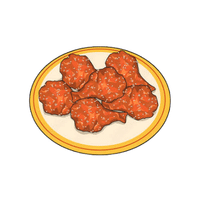
Huraideu is a Korean-style fried chicken, commonly called huraideu-chikin. It is coated in a crispy batter and often served with dipping sauces or pickled radish.
- Yangnyeom
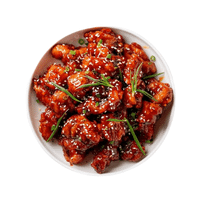
Yangnyeom means seasoned or sauced in Korean and often refers to yangnyeom chicken. This popular dish features fried chicken coated in a sweet, spicy, and savory sauce.
- Jeyuk
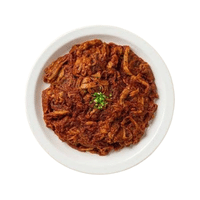
Jeyuk usually refers to Korean spicy pork dishes, especially jeyuk bokkeum. Thin pork slices are stir-fried with chili paste, garlic, vegetables, and seasonings.
- Patjuk
Patjuk is a Korean red bean porridge made by cooking red beans until soft. Some versions contain small rice balls and are traditionally eaten during winter.
- Kkakdugi
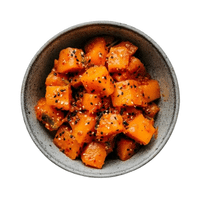
Kkakdugi is a Korean side dish made from cubed radish fermented with chili flakes, garlic, and seasonings. It has a crunchy texture and a tangy, spicy flavor.

Top Korean Food List with Their Pictures
Learn more helpful articles




Leave a Comment