
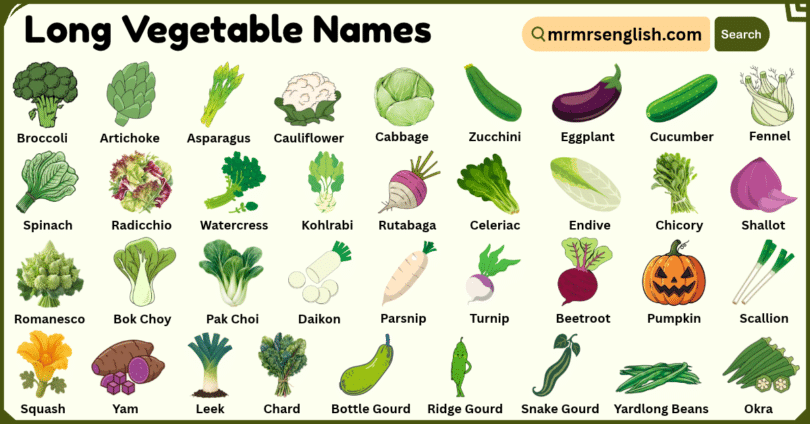
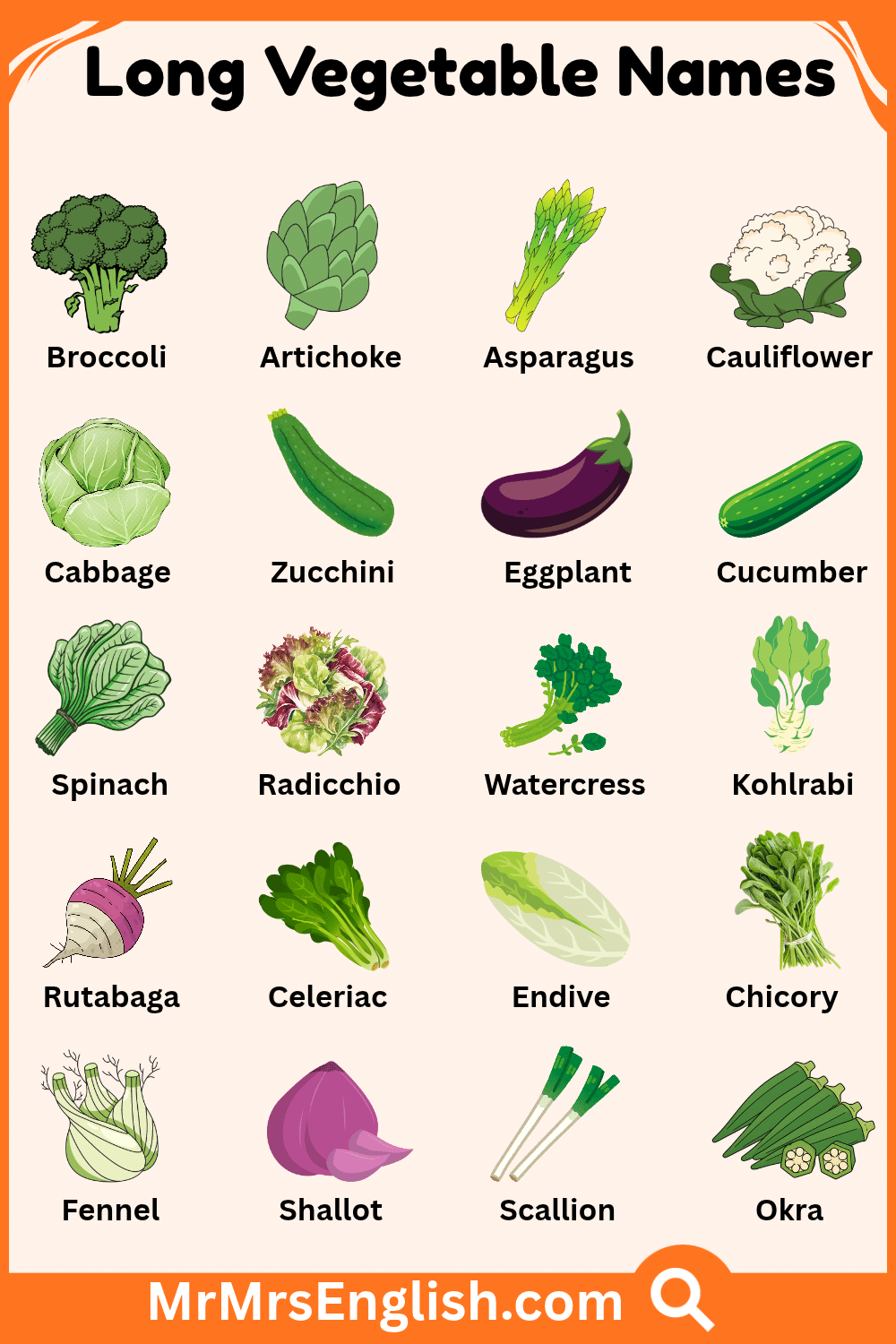
Vegetables come in many shapes, sizes, and varieties, including some with naturally long and slender appearances. These vegetables are commonly used in salads, soups, curries, stir-fries, and other everyday dishes. Popular examples include long carrots, cucumbers, eggplants, green beans, asparagus, bottle gourds, and spring onions. Each vegetable has its own flavor, texture, nutritional value, and culinary uses. Learning the English names of long vegetables can help children, students, and English learners expand their food vocabulary and recognize different vegetable varieties. In this guide, you will learn Long Vegetable Names with Their Pictures to identify common long-shaped vegetables and learn their names in English.
20 Types Long Vegetable Names
- Broccoli
- Artichoke
- Asparagus
- Cauliflower
- Cabbage
- Zucchini
- Eggplant
- Cucumber
- Spinach
- Radicchio
- Watercress
- Kohlrabi
- Rutabaga
- Celeriac
- Endive
- Chicory
- Fennel
- Shallot
- Scallion
- Okra
Different Types of Long Vegetable Names with Pictures
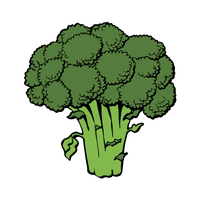
- Broccoli
Broccoli is a green vegetable with thick stalks and tightly packed flower buds. It is rich in vitamins, fiber, and other nutrients and can be steamed, roasted, or added to soups.

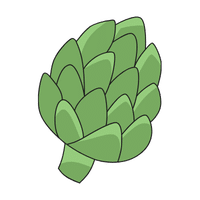
- Artichoke
Artichoke is a vegetable with layered leaves and a tender edible heart. It is commonly boiled, steamed, or roasted and served with sauces or seasonings.
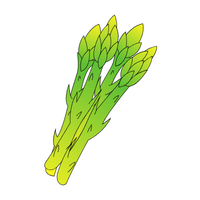
- Asparagus
Asparagus is a long, slender vegetable with tender green stalks and small pointed tips. It is often grilled, steamed, roasted, or added to salads and pasta.
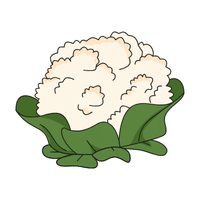
- Cauliflower
Cauliflower is a vegetable with a compact head of white florets surrounded by green leaves. It can be boiled, roasted, fried, or used in curries and soups.
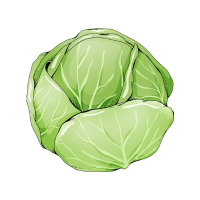
- Cabbage
Cabbage is a leafy vegetable that forms a round, compact head. It comes in green, red, and other varieties and is commonly used in salads, soups, and cooked dishes.
- Zucchini
Zucchini is a soft-skinned summer squash that is usually green or yellow. It can be grilled, fried, roasted, or added to pasta and vegetable dishes.
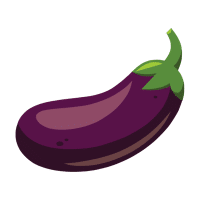
- Eggplant
Eggplant is a vegetable with smooth purple skin and soft, spongy flesh. It is widely used in curries, roasted dishes, stir-fries, and baked recipes.
- Cucumber
Cucumber is a long, refreshing vegetable with green skin and watery flesh. It is commonly eaten fresh in salads, sandwiches, and snacks.
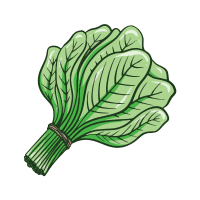
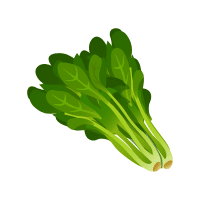
- Spinach
Spinach is a leafy green vegetable packed with vitamins and minerals. It can be eaten raw in salads or cooked with rice, soups, eggs, and other foods.
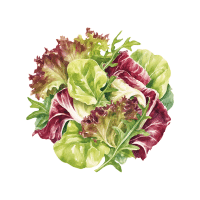
- Radicchio
Radicchio is a leafy vegetable with reddish-purple leaves and white veins. It has a slightly bitter taste and is often used in salads or grilled dishes.
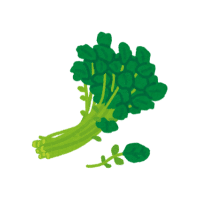
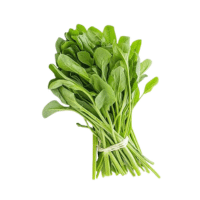
- Watercress
Watercress is a leafy green vegetable with small, rounded leaves and a peppery flavor. It is commonly used in salads, sandwiches, and soups.
- Kohlrabi
Kohlrabi is a round vegetable with a swollen stem and leafy shoots. Its crisp, mild flesh can be eaten raw or cooked in soups, salads, and stir-fries.
- Rutabaga
Rutabaga is a root vegetable with yellowish flesh and purple or brown skin. It has a mildly sweet flavor and is often roasted, mashed, or added to stews.
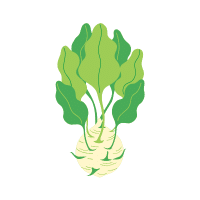
- Celeriac
Celeriac is a root vegetable with rough, knobby skin and creamy-white flesh. It has a mild celery-like flavor and can be mashed, roasted, or added to soups.
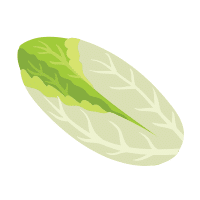
- Endive
Endive is a leafy vegetable with tightly packed, pale green or cream-colored leaves. It has a slightly bitter taste and is often used in salads or cooked dishes.
- Chicory
Chicory is a leafy vegetable with a distinctive bitter flavor. Its leaves can be eaten in salads or cooked, while its roots are sometimes roasted and used as a coffee substitute.
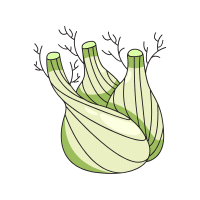
- Fennel
Fennel is a vegetable with a pale bulb, green stalks, and feathery leaves. It has a mild, sweet, licorice-like flavor and is used in salads, soups, and roasted dishes.
- Shallot
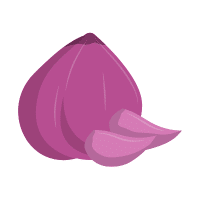
Shallot is a small onion-like vegetable with a mild, slightly sweet flavor. It is commonly chopped and used in sauces, salads, soups, and cooked meals.
- Scallion
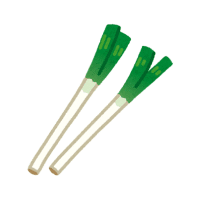
Scallion, also called green onion, is a vegetable with long green leaves and a small white base. It is used fresh or cooked in salads, soups, noodles, and stir-fries.
- Okra
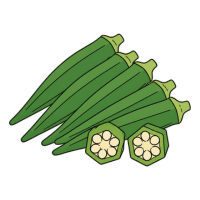
Okra is a green vegetable with long, ridged pods containing small seeds. It is commonly used in curries, soups, and stews and becomes slightly thick when cooked.


Different Types of Long Vegetable Names with Pictures
List of Long Vegetable Names in English
- Romanesco
- Bok Choy
- Pak Choi
- Daikon
- Parsnip
- Turnip
- Beetroot
- Pumpkin
- Squash
- Yam
- Leek
- Chard
- Collards
- Mustard Greens
- Dandelion Greens
- Bitter Melon
- Bottle Gourd
- Ridge Gourd
- Snake Gourd
- Yardlong Beans
Learn 20 Names of Long Vegetables with Pictures
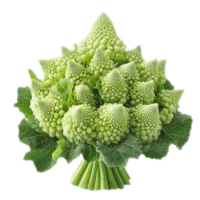
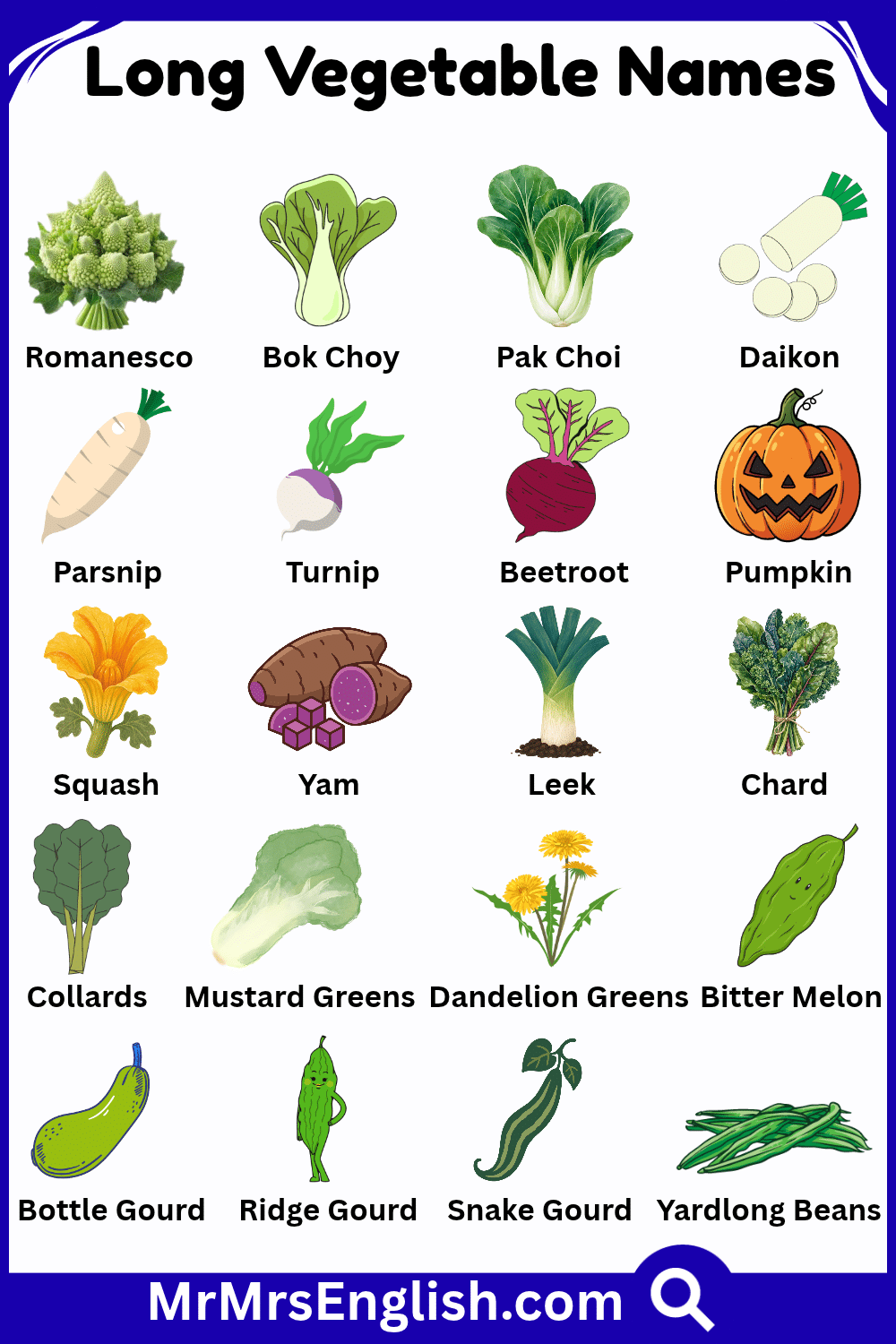
- Romanesco
Romanesco is a green vegetable related to broccoli and cauliflower. Its pointed florets form a striking spiral pattern, and it can be steamed, roasted, or added to vegetable dishes.
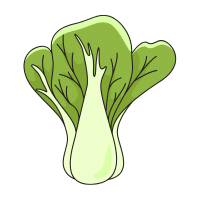
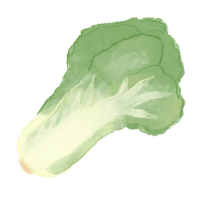
- Bok Choy
Bok choy is a leafy vegetable with white stalks and dark green leaves. It is commonly used in Asian soups, noodle dishes, and stir-fries.
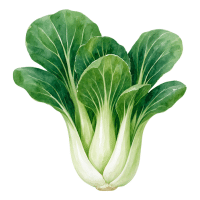
- Pak Choi
Pak choi is another name for bok choy, a leafy vegetable with crisp stalks and tender leaves. It has a mild flavor and is often cooked with garlic or sauces.
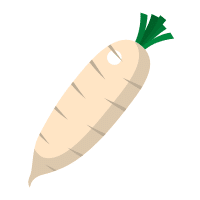
- Daikon
Daikon is a long, white radish commonly used in Asian cooking. It has a mild, slightly peppery flavor and can be eaten raw, pickled, or cooked in soups and stews.
- Parsnip
Parsnip is a pale root vegetable that resembles a carrot. It has a sweet, earthy flavor and is often roasted, mashed, or added to soups.
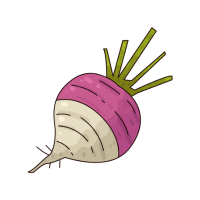
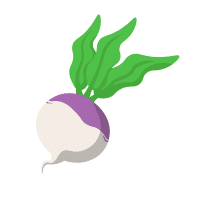
Turnip
Turnip is a round root vegetable with white flesh and sometimes purple coloring near the top. It has a mild, slightly peppery taste and can be boiled, roasted, or added to stews.
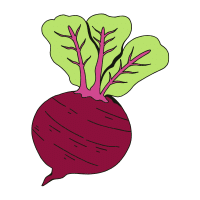
- Beetroot
Beetroot is a root vegetable known for its deep red-purple color and earthy sweetness. It can be boiled, roasted, pickled, or grated into salads.
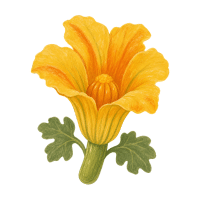
- Pumpkin
Pumpkin is a large, round vegetable with firm skin and orange or yellow flesh. It is used in soups, curries, baked dishes, and other recipes.
- Squash
Squash is a group of vegetables available in many shapes, sizes, and colors. Depending on the variety, it can be roasted, steamed, stuffed, or used in soups.
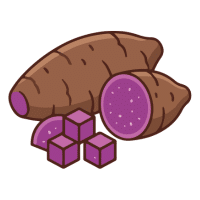
- Yam
Yam is a starchy root vegetable with rough skin and firm flesh. It is commonly boiled, roasted, fried, or mashed and is used in many traditional meals.
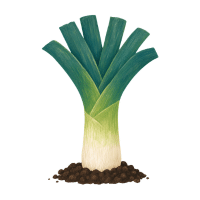
- Leek
Leek is a long vegetable with a white base and broad green leaves. It has a mild onion-like flavor and is often used in soups, stews, and savory pies.
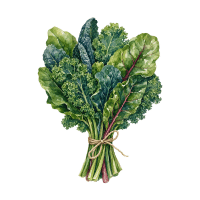
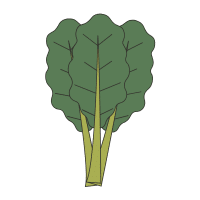
- Chard
Chard is a leafy green vegetable with large leaves and colorful or white stalks. It can be sautéed, steamed, or added to soups, rice, and vegetable dishes.
- Collards
Collards are leafy green vegetables with large, firm leaves. They are commonly cooked slowly with seasonings or added to soups and other savory dishes.
- Mustard Greens
Mustard greens are leafy vegetables with a strong, peppery flavor. They can be cooked with spices, added to soups, or eaten raw in salads when young and tender.
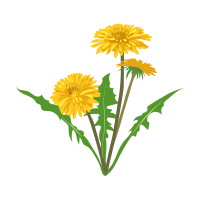
- Dandelion Greens
Dandelion greens are edible leaves from the dandelion plant. They have a slightly bitter taste and can be added to salads or cooked with garlic and other seasonings.
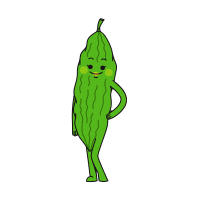
- Bitter Melon
Bitter melon is a green vegetable with a bumpy surface and a distinctly bitter flavor. It is commonly sliced and cooked in curries, stir-fries, and stuffed dishes.
- Bottle Gourd
Bottle gourd is a pale green vegetable with soft flesh and a mild flavor. It is often peeled, chopped, and cooked in curries, soups, and stews.
- Ridge Gourd
Ridge gourd is a long green vegetable with raised ridges along its skin. Its soft flesh is commonly used in curries, stir-fries, and traditional vegetable dishes.
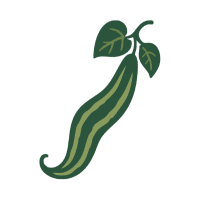
- Snake Gourd
Snake gourd is a long, narrow vegetable that can grow in a curved shape. It has mild flesh and is commonly cooked in curries, soups, and stir-fried dishes.
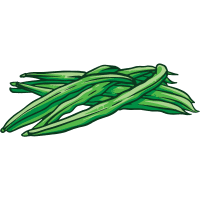
- Yardlong Beans
Yardlong beans are long, slender green pods that can grow much longer than common green beans. They are often chopped and cooked in stir-fries, curries, and other vegetable dishes.




Learn 20 Names of Long Vegetables with Pictures
Learn more Helpful Articles






Leave a Comment