
White vegetables are nutritious foods that provide important vitamins, minerals, fiber, and antioxidants for a healthy diet. They are commonly used in soups, salads, curries, and many other dishes around the world. Learning the names of white vegetables is a great way to improve your English vocabulary while becoming familiar with healthy foods found in gardens, farms, and markets. In this article, you will learn white vegetables names in English with clear pictures, helping kids, students, teachers, and English learners identify, remember, and use these vegetable names with confidence.
What Are White Vegetables?
White vegetables are vegetables that are white or creamy white in color, either on the outside, inside, or both. They grow in different parts of the world and are commonly used in soups, salads, curries, roasted dishes, and many other recipes.
Many white vegetables are excellent sources of vitamin C, potassium, calcium, fiber, and beneficial plant compounds that help support overall health.
Uses of White Vegetables
White vegetables are commonly used in:
- Soups
- Curries
- Salads
- Roasted dishes
- Mashed vegetables
- Pickles
- Stir-fries
- Steamed dishes
- Casseroles
- Healthy snacks
List of White Vegetables Names
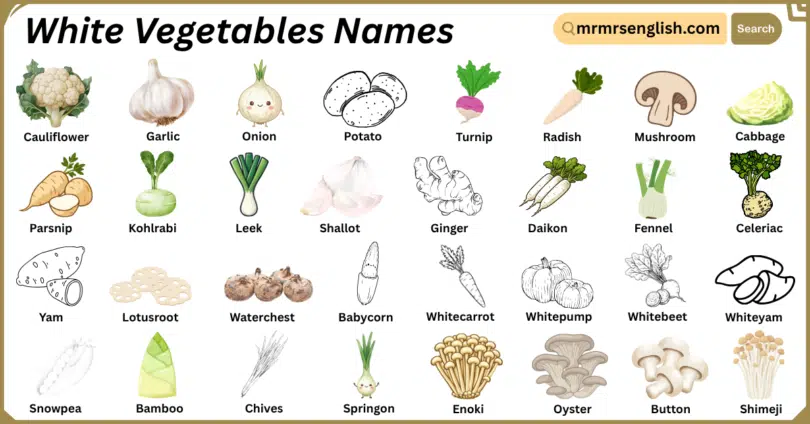
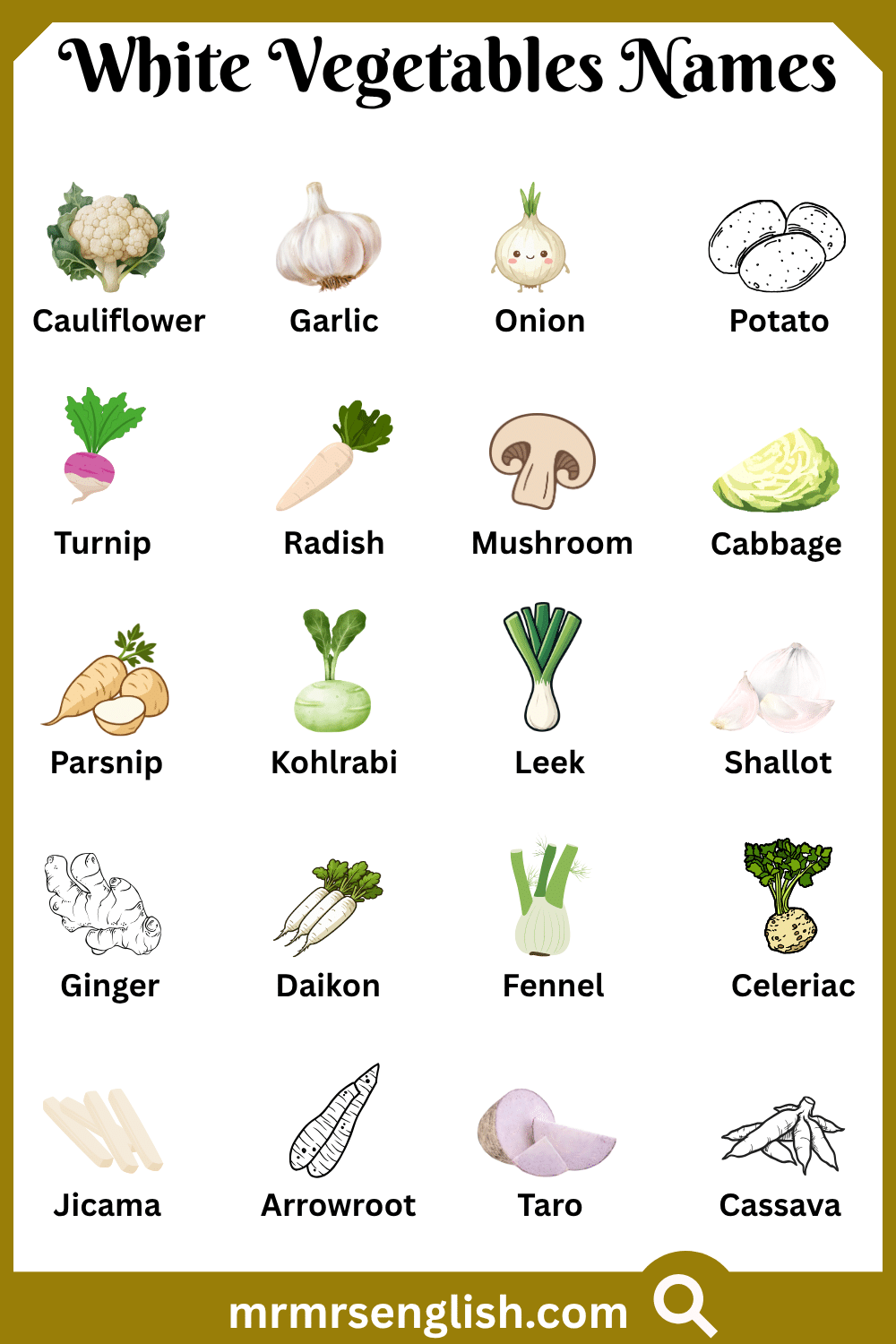
- Cauliflower
- Garlic
- Onion
- Potato
- Turnip
- Radish
- Mushroom
- Cabbage
- Parsnip
- Kohlrabi
- Leek
- Shallot
- Ginger
- Daikon
- Fennel
- Celeriac
- Jicama
- Arrowroot
- Taro
- Cassava
Names of White Vegetables with Pictures
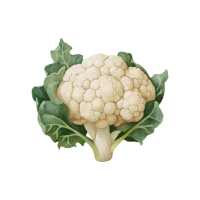
- Cauliflower
A white vegetable made of tightly packed flower heads, widely used in cooking around the world and valued for its fiber, vitamins, and antioxidants.

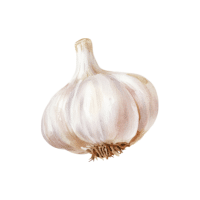
- Garlic
A strong-smelling white bulb vegetable commonly used for flavoring food, known for its medicinal properties and ability to support immune health.
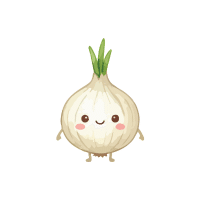
- Onion
A layered white vegetable widely used in kitchens worldwide, adding flavor, aroma, and important nutrients to countless dishes.
- Potato
A starchy white root vegetable that serves as a staple food in many countries and provides energy through carbohydrates.
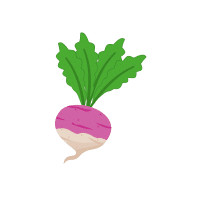
- Turnip
A white root vegetable with edible bulb and leafy greens, commonly used in soups, curries, and traditional home-cooked meals.
- Radish
A crunchy white root vegetable with a slightly spicy taste, often eaten raw in salads or cooked in vegetable dishes.
- Mushroom
A soft white edible fungus rich in nutrients and flavor, commonly used in soups, sauces, stir-fries, and many other recipes.
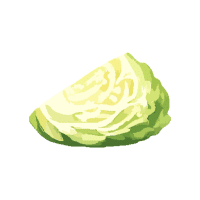
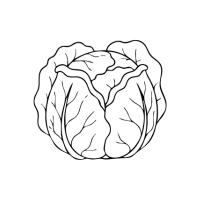
- Cabbage
A leafy white vegetable forming compact heads, widely used in salads, soups, stir-fries, and traditional dishes around the world.
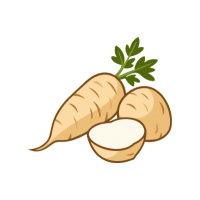
- Parsnip
A sweet white root vegetable similar to a carrot, valued for its rich flavor and use in soups and roasted dishes.
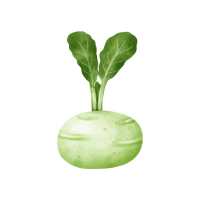
- Kohlrabi
A round white vegetable with crisp texture and mild flavor, enjoyed raw in salads or cooked in healthy recipes.
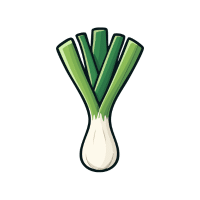
- Leek
A white stalk vegetable related to onions and garlic, commonly used to add mild flavor to soups and stews.
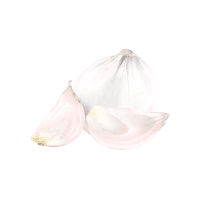
- Shallot
A small onion-like white vegetable with a delicate sweet flavor, often used in sauces, dressings, and gourmet cooking.
- Ginger
A pale white root spice widely used for cooking and traditional medicine, known for its strong aroma and health benefits.
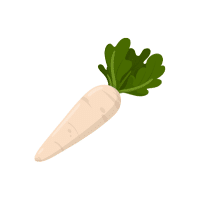
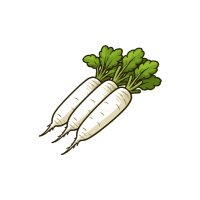
- Daikon
A large white radish commonly used in Asian cuisine, appreciated for its mild flavor and crunchy texture.
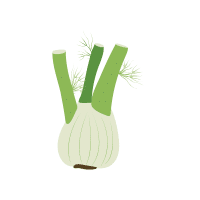
- Fennel
A white bulb vegetable with a sweet licorice-like flavor, used in salads, soups, and various cooked dishes.
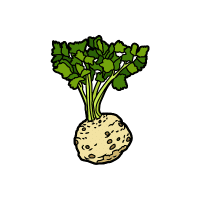
- Celeriac
A white root vegetable with a celery-like taste, often used in soups, purees, and healthy vegetable recipes.
- Jicama
A crunchy white root vegetable with sweet juicy flesh, commonly eaten raw and valued for its refreshing taste.
- Arrowroot
A white starchy root vegetable used as a natural thickening agent and appreciated for being easy to digest.
- Taro
A white starchy tuber vegetable widely consumed in tropical regions, providing carbohydrates, fiber, and important nutrients.
- Cassava
A white root vegetable that serves as a major staple food in many countries, valued for its high starch content and energy.







Names of White Vegetables with Pictures
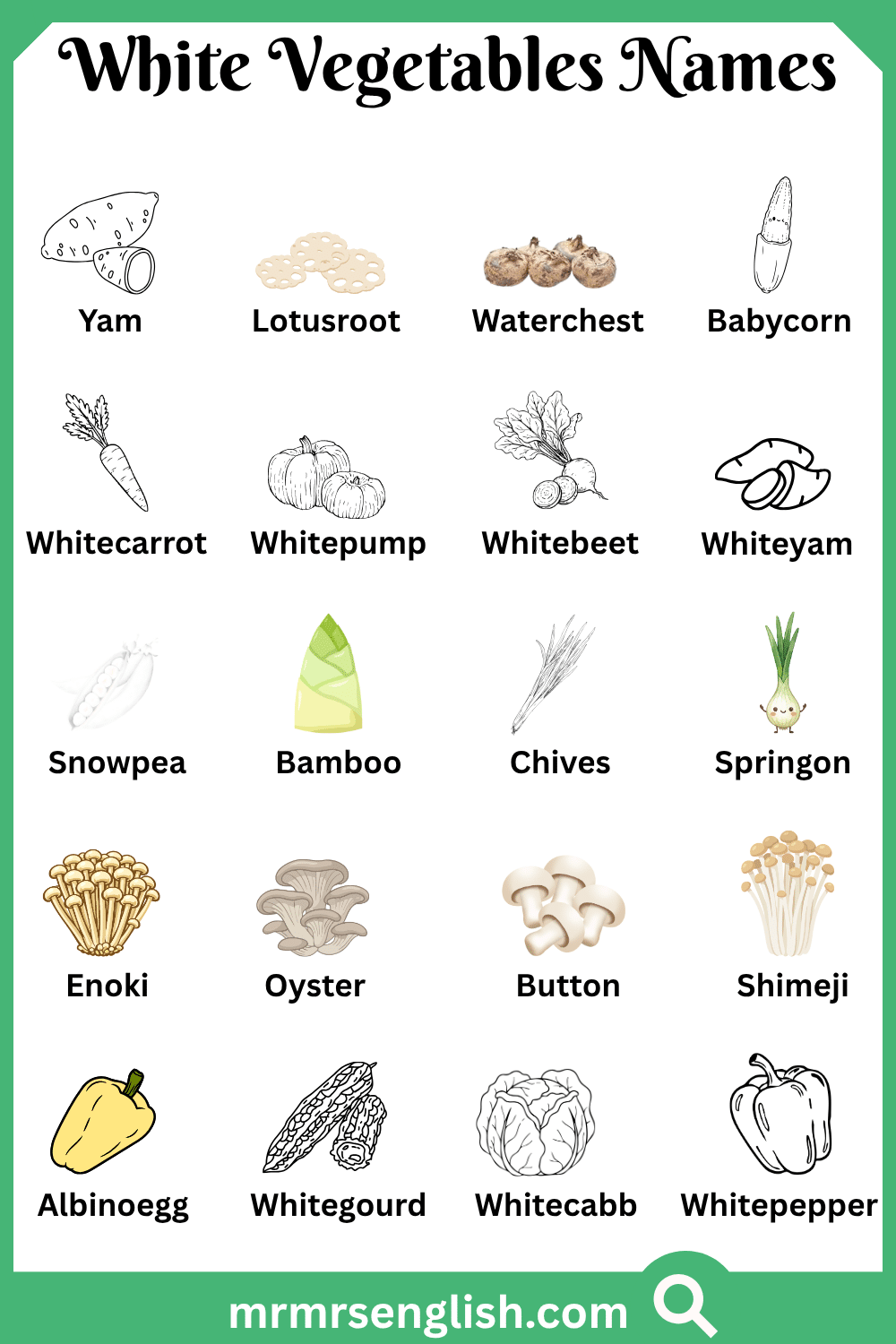
20 White Vegetables with Names
- Yam
- Lotusroot
- Waterchest
- Babycorn
- Whitecarrot
- Whitepump
- Whitebeet
- Whiteyam
- Snowpea
- Bamboo
- Chives
- Springon
- Enoki
- Oyster
- Button
- Shimeji
- Albinoegg
- Whitegourd
- Whitecabb
- Whitepepper
Types of White Vegetables Names with Pictures
- Yam
A white tuber vegetable rich in carbohydrates and dietary fiber, commonly boiled, baked, or fried in traditional cuisines worldwide.
- Lotusroot
An aquatic white vegetable with a unique hole-patterned structure, valued for its crunchy texture and use in soups and stir-fries.
- Waterchest
A crisp white aquatic vegetable known for its refreshing taste and crunchy texture, often used in Asian dishes.
- Babycorn
A small immature corn harvested early, appreciated for its tender texture, mild flavor, and versatility in cooking.
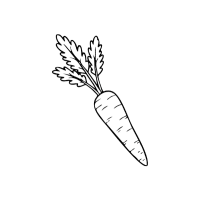
- Whitecarrot
A pale-colored carrot variety with a mild sweet flavor, rich in fiber and useful in many healthy recipes.
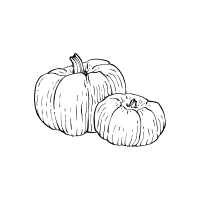
- Whitepump
A white pumpkin variety with mild flavor and soft flesh, commonly used in soups, curries, and vegetable dishes.
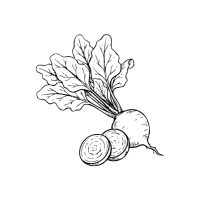
- Whitebeet
A pale beetroot variety known for its sweet earthy flavor, nutritional value, and use in salads and cooking.
- Whiteyam
A starchy white tuber vegetable providing energy, fiber, and nutrients, commonly eaten as a staple food.
- Snowpea
A flat edible pod vegetable eaten whole, valued for its crisp texture, fresh taste, and nutritional benefits.
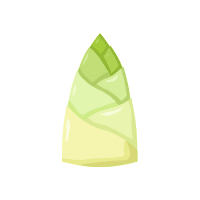
- Bamboo
A young bamboo shoot used as a vegetable, known for its crunchy texture and popularity in Asian cuisine.
- Chives
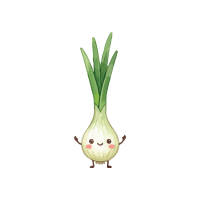
A mild onion-flavored herb vegetable commonly used for garnishing dishes and adding fresh flavor to recipes.
- Springon
A white-stemmed onion vegetable with a mild taste, widely used in salads, soups, and cooked dishes.
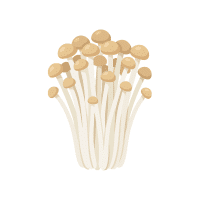
- Enoki
A long thin white mushroom with delicate texture and mild flavor, commonly used in soups and Asian recipes.
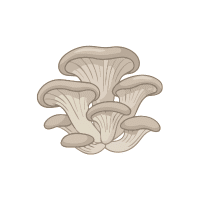
- Oyster
A white oyster mushroom valued for its soft texture, rich nutrients, and versatility in many cooked dishes.
- Button
A small white mushroom widely consumed around the world, known for its mild flavor and culinary versatility.
- Shimeji
A white mushroom variety with a slightly nutty flavor, commonly used in stir-fries, soups, and Japanese cuisine.
- Albinoegg
A white eggplant variety with smooth skin and mild flavor, often used in curries and vegetable dishes.
- Whitegourd
A large pale vegetable with high water content, commonly used in soups, curries, and traditional recipes.
- Whitecabb
A white cabbage variety with tightly packed leaves, rich in fiber and widely used in cooking.
- Whitepepper
A spice made from mature pepper seeds, valued for its mild heat and ability to enhance food flavor.










Types of White Vegetables Names with Pictures
White Bulb Vegetables
Bulb vegetables grow underground and consist of layered leaves.
- Garlic
- White Onion
- Fennel Bulb
White Leafy and Flower Vegetables
Some white vegetables are grown mainly for their leaves or flower heads.
| Vegetable | Main Edible Part |
|---|---|
| Cauliflower | Flower head |
| White Cabbage | Leaves |
| White Asparagus | Young shoots |
| Bamboo Shoots | Young stems |
Nutritional Benefits of White Vegetables
White vegetables provide many important nutrients.
| Nutrient | Benefit |
|---|---|
| Vitamin C | Supports the immune system |
| Fiber | Helps digestion |
| Potassium | Supports heart and muscle function |
| Calcium | Helps maintain strong bones |
| Folate | Supports healthy cell growth |
| Antioxidants | Help protect body cells |
White Vegetables Used Around the World
| Vegetable | Popular Regions |
|---|---|
| Potato | Worldwide |
| Garlic | Worldwide |
| White Onion | Worldwide |
| Daikon | East Asia |
| Bamboo Shoots | Asia |
| Cassava | Africa, South America |
| White Asparagus | Europe |
| Taro | Asia and the Pacific Islands |
| White Corn | North and South America |
| Cauliflower | Worldwide |
White Vegetables in Example Sentences
| Vegetable | Example Sentence |
|---|---|
| Cauliflower | My mother cooked cauliflower for dinner. |
| Potato | We made crispy fries from potatoes. |
| Garlic | Garlic adds a rich flavor to many dishes. |
| White Onion | The salad contains fresh white onions. |
| White Radish | She sliced the white radish into thin pieces. |
| Turnip | We added turnips to the vegetable soup. |
| White Mushroom | The pasta was topped with white mushrooms. |
| White Cabbage | White cabbage is used to make coleslaw. |
| White Corn | We enjoyed boiled white corn at lunch. |
| Parsnip | Roasted parsnips taste slightly sweet. |
Difference Between White and Green Vegetables
| White Vegetables | Green Vegetables |
|---|---|
| Usually white or cream-colored | Green in color |
| Examples: Potato, Garlic, Cauliflower | Examples: Spinach, Broccoli, Peas |
| Rich in fiber and potassium | Rich in chlorophyll and vitamin K |
| Used in many cooked dishes | Used in salads and cooked meals |
Importance of White Vegetables
White vegetables help:
- Support a healthy immune system
- Improve digestion
- Maintain healthy bones
- Provide energy
- Support heart health
- Add variety to a balanced diet
- Supply essential vitamins and minerals
Tips for Learning White Vegetable Names
- Learn vegetables with pictures.
- Group vegetables by color.
- Practice pronunciation daily.
- Use flashcards for revision.
- Visit grocery stores or gardens to identify vegetables.
- Use vegetable names in simple English sentences.
Learn more Helpful Articles






Leave a Comment