
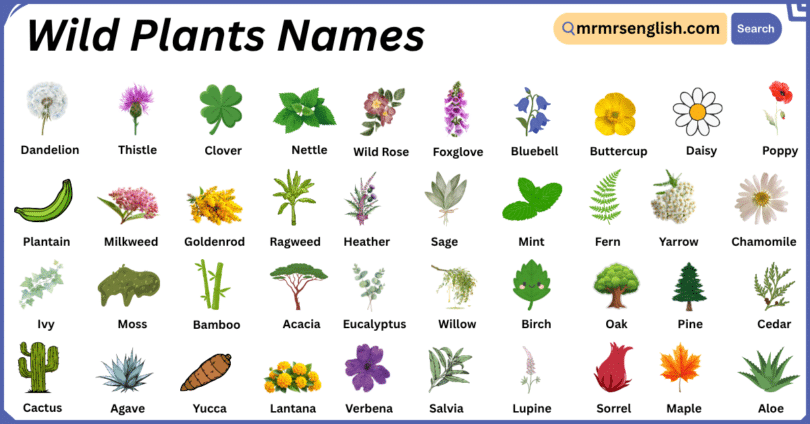
Wild plants grow naturally in forests, mountains, grasslands, deserts, and other natural environments without being cultivated by people. These plants play an important role in maintaining ecosystems, providing food and shelter for wildlife, and supporting biodiversity. Learning Wild Plants Names in English with Their Pictures is a great way to improve your English vocabulary while exploring the beauty and diversity of nature. In this article, you will learn the names of common wild plants with clear pictures and simple explanations, helping students, children, and English learners recognize, remember, and use these words confidently.
What Are Wild Plants?
Wild plants are plants that grow naturally in their environment without human cultivation. They adapt to local weather, soil, and climate conditions on their own. Wild plants may include flowering plants, shrubs, grasses, trees, vines, herbs, and ferns.
They play an important role in maintaining healthy ecosystems by providing food, oxygen, shelter, and medicine.
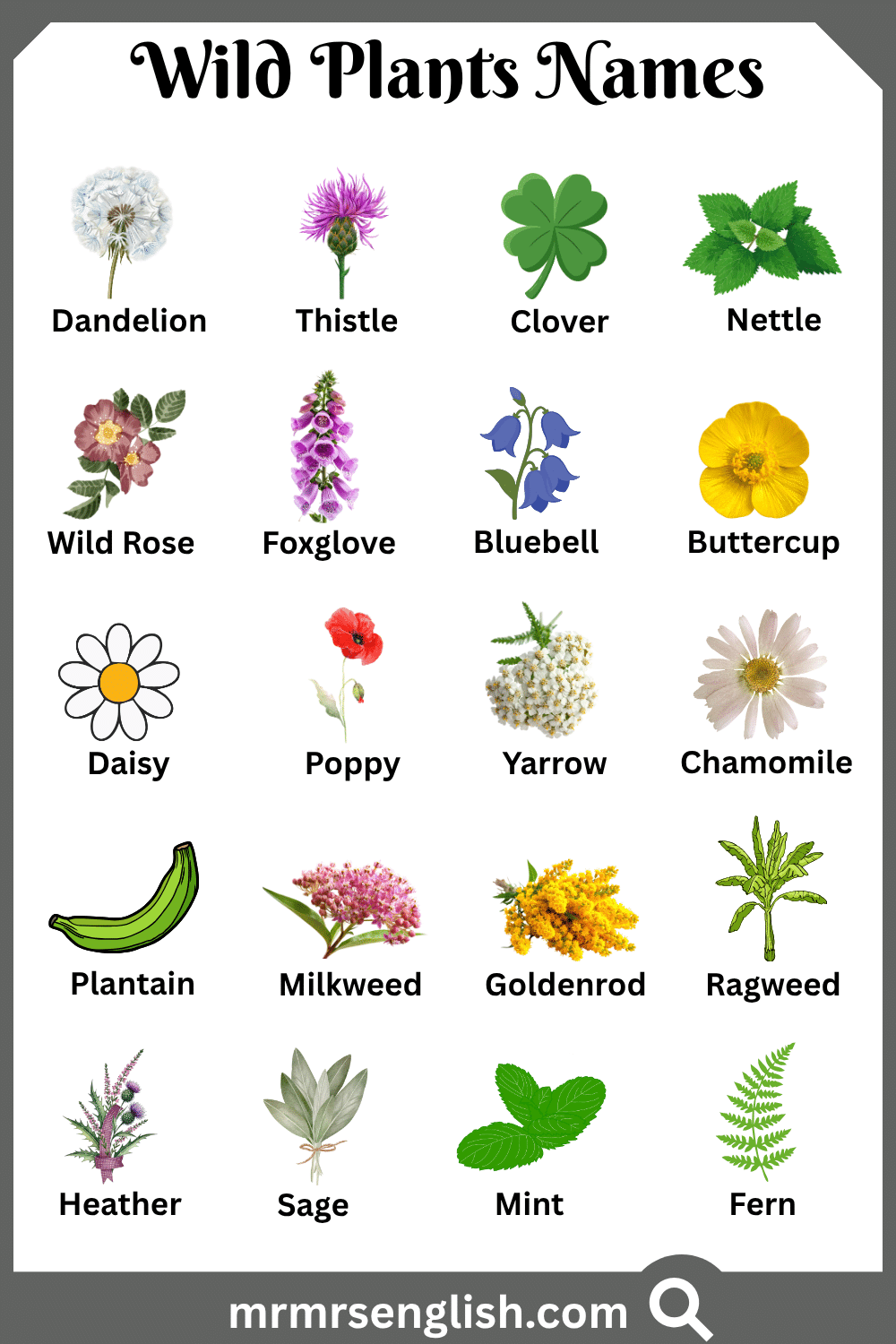
20 Names of Wild Plants
- Dandelion
- Thistle
- Clover
- Nettle
- Wild Rose
- Foxglove
- Bluebell
- Buttercup
- Daisy
- Poppy
- Yarrow
- Chamomile
- Plantain
- Milkweed
- Goldenrod
- Ragweed
- Heather
- Sage
- Mint
- Fern
Common Names of Wild Plants in English with Pictures
- Dandelion
A common wild plant with yellow flowers and fluffy seeds spread by wind.

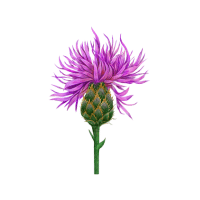
- Thistle
A spiky wild plant with purple flowers that grows in dry open fields.
- Clover
A small wild plant with tiny flowers and three green leaflets.
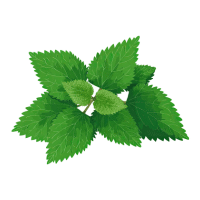
- Nettle
A wild plant with stinging leaves that can irritate skin on touch.
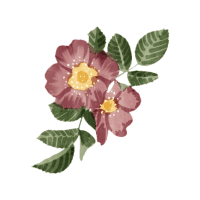
- Wild Rose
A natural growing rose with simple petals and light fragrance.
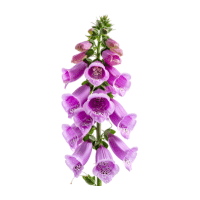
- Foxglove
A tall wild plant with tube-shaped flowers growing in forest areas.
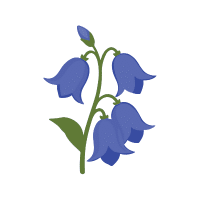
- Bluebell
A small blue flower that grows naturally in woods during spring.
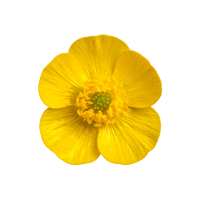
- Buttercup
A bright yellow wild flower commonly found in grassy areas.
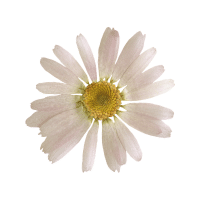
- Daisy
A simple wild flower with white petals and a yellow center.
- Poppy
A delicate wild flower with soft petals, often bright red in color.
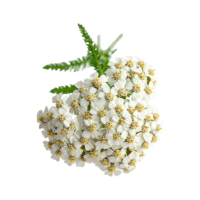
- Yarrow
A hardy wild plant with small clustered flowers and medicinal uses.
- Chamomile
A small wild flower used for making herbal tea and medicine.
- Plantain
A wild herb with broad leaves growing in fields and roadsides.
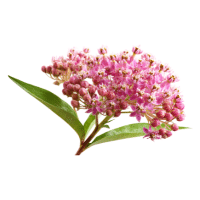
- Milkweed
A wild plant that produces milky sap and supports butterflies.
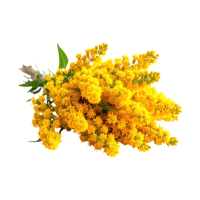
- Goldenrod
A tall wild plant with bright yellow flowers found in open lands.
- Ragweed
A common wild plant known for causing seasonal allergies.
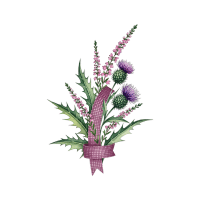
- Heather
A small wild shrub with tiny purple flowers in dry areas.
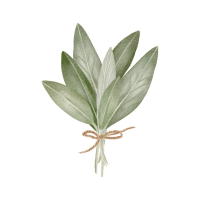
- Sage
A wild herb with fragrant leaves used in cooking and medicine.
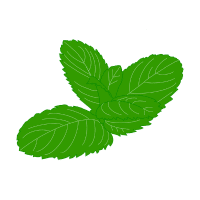
- Mint
A fast-growing wild herb with a strong refreshing smell.
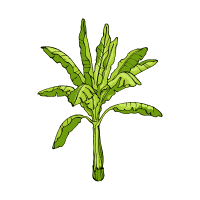
- Fern
A leafy wild plant that grows in shady and moist environments.






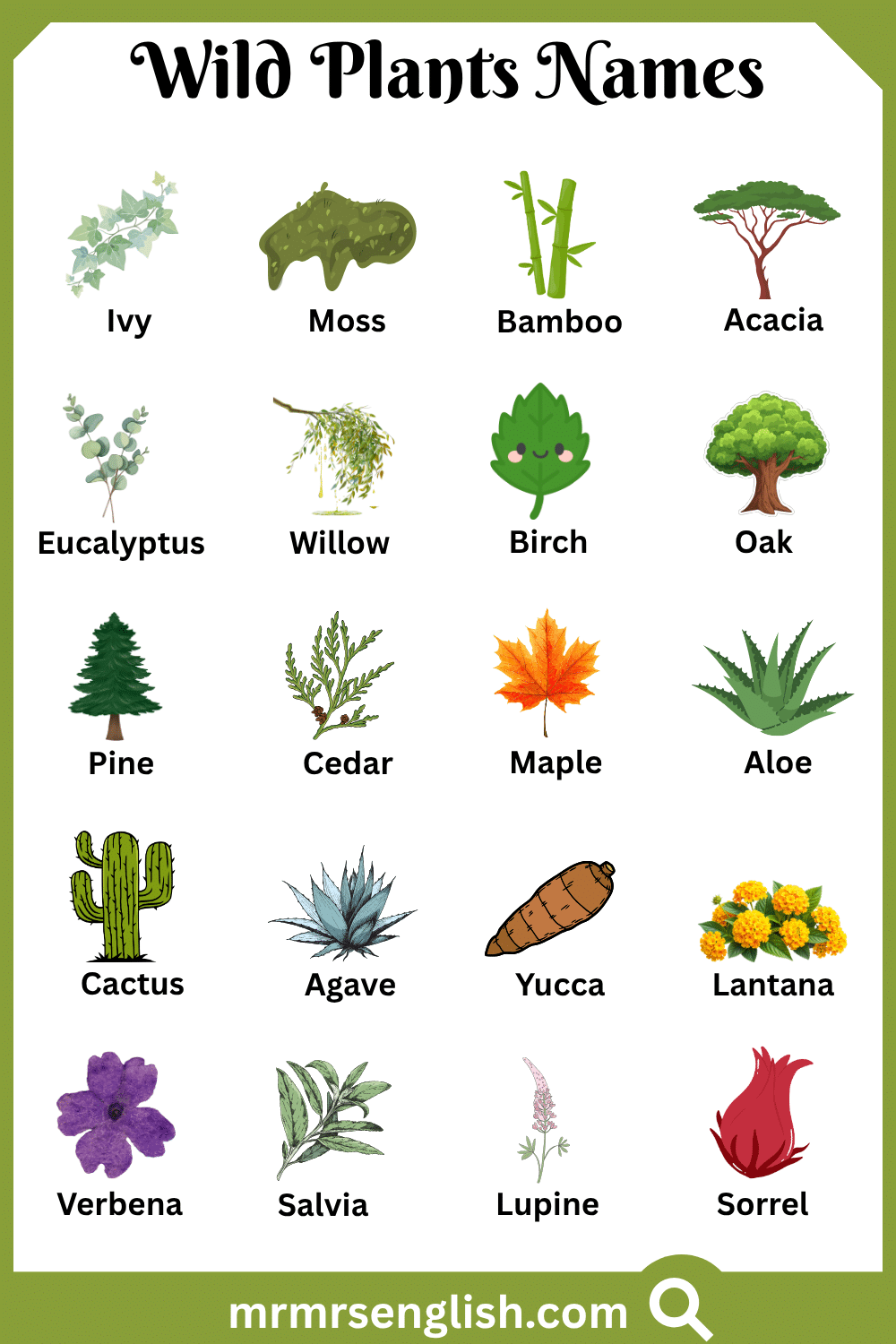
Common Names of Wild Plants in English with Pictures
Common Names of Wild Plants in English
- Ivy
- Moss
- Bamboo
- Acacia
- Eucalyptus
- Willow
- Birch
- Oak
- Pine
- Cedar
- Maple
- Aloe
- Cactus
- Agave
- Yucca
- Lantana
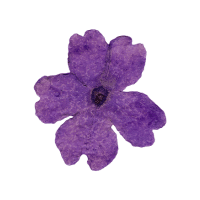
- Verbena
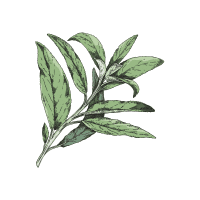
- Salvia
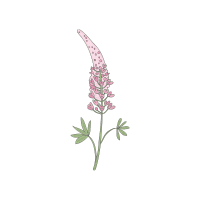
- Lupine
- Sorrel
Types of Wild Plants in English with Pictures
- Ivy
A climbing wild plant that grows on walls, trees, and ground surfaces.
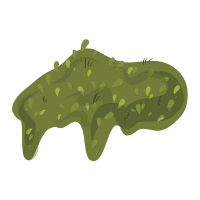
- Moss
A soft green plant that grows in damp and shady places.
- Bamboo
A fast-growing wild plant with hollow stems found in many regions.
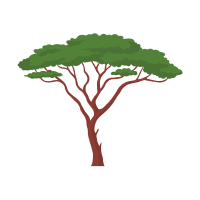
- Acacia
A wild tree with small leaves and yellow flowers in dry climates.
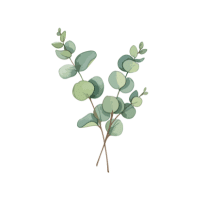
- Eucalyptus
A tall wild tree with aromatic leaves found in warm regions.
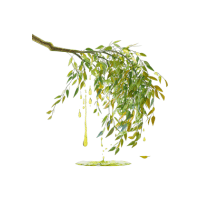
- Willow
A tree that grows near water with long hanging branches.
- Birch
A tree with white bark commonly found in cool forest areas.
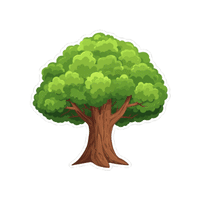
- Oak
A strong wild tree known for its long life and hard wood.
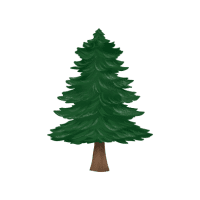
- Pine
A tall tree with needle-like leaves growing in mountain regions.
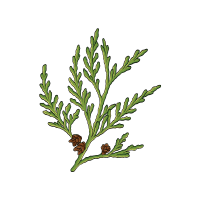
- Cedar
A fragrant wild tree used for wood and found in forests.
- Maple
A tree known for its broad leaves and seasonal color changes.
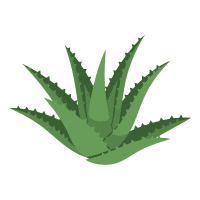
- Aloe
A wild succulent plant with thick leaves storing water.
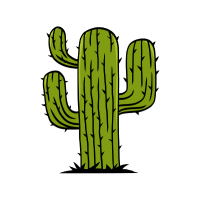
- Cactus
A desert plant that survives in wild areas with very little water.
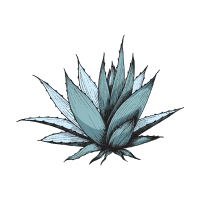
- Agave
A strong wild plant with thick leaves adapted to dry climates.
- Yucca
A wild desert plant with sharp leaves and tall flower spikes.
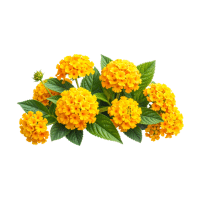
- Lantana
A colorful wild plant that grows easily in warm climates.
- Verbena
A wild flowering plant with small clustered blooms.
- Salvia
A wild plant with colorful flowers that attract insects and birds.
- Lupine
A wild plant with tall spikes of colorful flowers.
- Sorrel
A wild leafy plant with a sour taste, often used in food.





Types of Wild Plants in English with Pictures
Types of Wild Plants
Wild plants can be grouped into several categories.
Wild Flowers
These plants produce colorful blooms and attract bees, butterflies, and birds.
Examples:
- Daisy
- Buttercup
- Bluebell
- Foxglove
- Goldenrod
Wild Herbs
Wild herbs are commonly used in traditional medicine and cooking.
Examples:
- Nettle
- Wild Garlic
- Yarrow
- Chicory
Wild Shrubs
Shrubs are woody plants that usually have multiple stems.
Examples:
- Wild Rose
- Hawthorn
- Blackberry Bush
Wild Grasses
Wild grasses naturally grow in fields and grasslands.
Examples:
- Reed Grass
- Switchgrass
- Fescue
- Wild Rye
Wild Climbers
These plants grow by climbing trees, walls, or rocks.
Examples:
- Ivy
- Wild Grapevine
- Honeysuckle
Where Do Wild Plants Grow?
Wild plants are found in many different environments.
- Forests
- Mountains
- Meadows
- Grasslands
- Wetlands
- Riversides
- Deserts
- Hills
- Roadsides
- Coastal areas
Importance of Wild Plants
Wild plants provide many benefits to nature and humans.
Produce Oxygen
Like all green plants, they release oxygen into the atmosphere.
Protect Soil
Their roots prevent soil erosion and improve soil quality.
Support Wildlife
Wild plants provide food and shelter for birds, insects, and animals.
Natural Medicine
Many wild herbs are used in traditional and modern medicine.
Improve Biodiversity
They help maintain healthy ecosystems by supporting different species.
Uses of Wild Plants
Wild plants have many practical uses.
- Herbal medicines
- Traditional remedies
- Natural dyes
- Food for wildlife
- Decoration in gardens
- Soil improvement
- Pollinator support
- Tea and herbal drinks
- Essential oils
- Natural compost
Difference Between Wild Plants and Cultivated Plants
| Wild Plants | Cultivated Plants |
|---|---|
| Grow naturally | Grown by people |
| Need little or no care | Require regular care |
| Found in natural habitats | Found on farms and gardens |
| Adapt naturally | Selected for farming or decoration |
| Usually survive without irrigation | Often require watering |
Vocabulary Related to Wild Plants
| Word | Meaning |
|---|---|
| Habitat | The natural place where a plant grows |
| Herb | A plant used for food or medicine |
| Shrub | A small woody plant |
| Vine | A climbing plant |
| Perennial | A plant that lives for many years |
| Annual | A plant that completes its life cycle in one year |
| Spore | A reproductive cell used by ferns and mosses |
| Pollination | The transfer of pollen for seed production |
Interesting Facts About Wild Plants
- More than 390,000 plant species are known worldwide.
- Many modern medicines come from wild plants.
- Mosses are among the oldest land plants.
- Ferns existed millions of years before flowering plants.
- Some wild flowers bloom only during certain seasons.
- Wild plants help reduce air pollution.
- Bees depend on many wild flowers for nectar and pollen.
Tips for Learning Wild Plant Names in English
- Learn five plant names every day.
- Match each plant name with its picture.
- Visit parks or botanical gardens to identify plants.
- Use flashcards to remember new vocabulary.
- Watch nature documentaries in English.
- Practice writing sentences using plant names.
Learn more Helpful Articles



Leave a Comment