
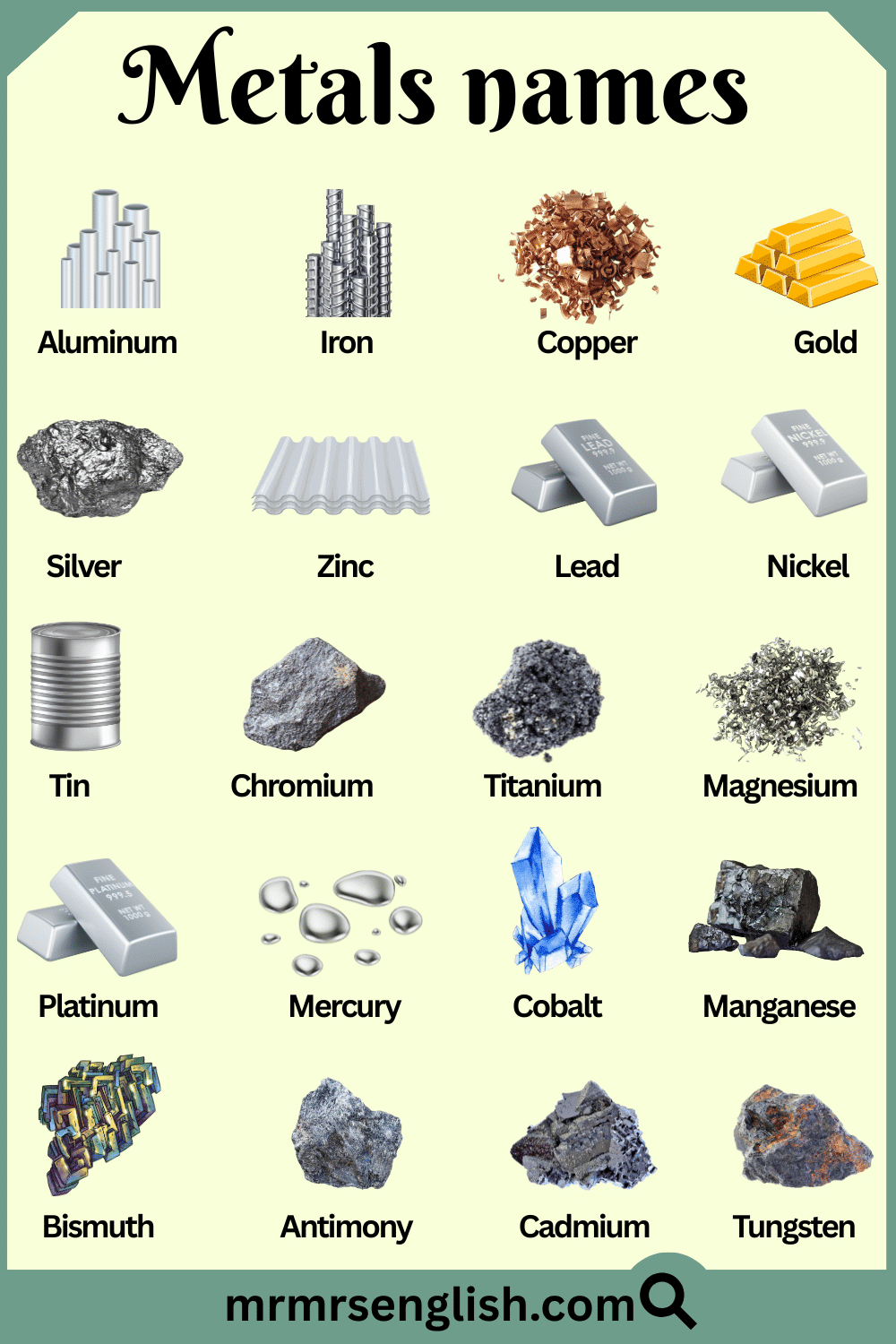
- Aluminum
- Iron
- Copper
- Gold
- Silver
- Zinc
- Lead
- Nickel
- Tin
- Chromium
- Titanium
- Magnesium
- Platinum
- Mercury
- Cobalt
- Manganese
- Bismuth
- Antimony
- Cadmium
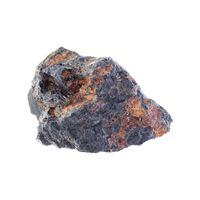
- Tungsten
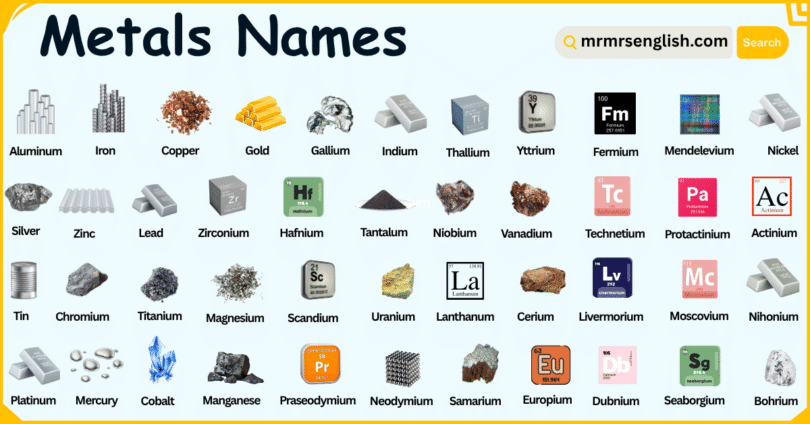
Types of Metals Names and Pictures
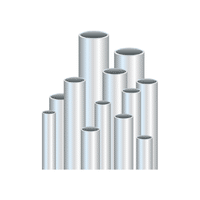
- Aluminum
A light metal used in cans, bikes, and airplanes because it doesn’t rust.

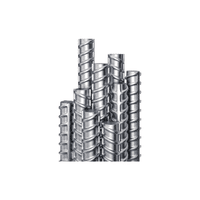
- Iron
A strong, heavy metal often used in tools, machines, and construction.
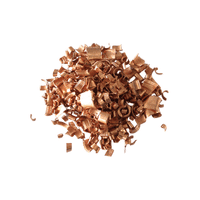
- Copper
A reddish-brown metal that carries electricity well, used in wires and pipes.
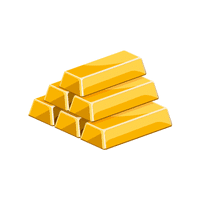
- Gold
A shiny, yellow precious metal used in jewelry, coins, and electronics.
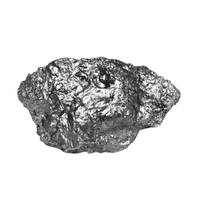
- Silver
A soft, shiny white metal used in jewelry, mirrors, and electrical parts.
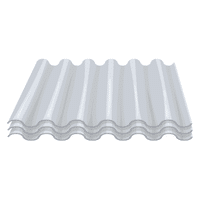
- Zinc
A bluish-white metal used to coat iron and prevent it from rusting.
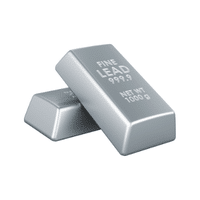
- Lead
A heavy, soft gray metal once used in pipes and batteries, now limited due to safety.
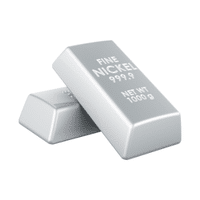
- Nickel
A strong metal used in coins, batteries, and to coat other metals for shine.
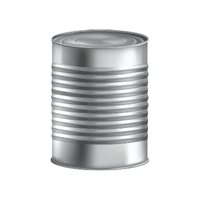
- Tin
A soft, silvery metal used in food cans and to coat other metals.
- Chromium
A shiny metal often used to give steel a bright, rust-free finish.
- Titanium
A strong, light metal used in aircraft, bikes, and even bone implants.
- Magnesium
A very light metal used in cars, laptops, and fireworks.
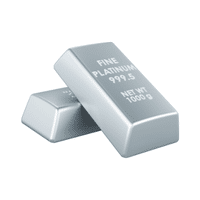
- Platinum
A rare, silver-white metal used in fine jewelry and car exhaust systems.
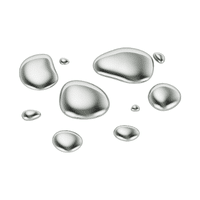
- Mercury
A liquid metal at room temperature, used in old thermometers (now avoided for safety).
- Cobalt
A hard, gray-blue metal used in batteries, magnets, and some paints.
- Manganese
A tough metal mixed with steel to make it stronger and resist wear.
- Bismuth
A heavy, brittle metal used in medicine and low-melting alloys.
- Antimony
A shiny metal used to make batteries, flame-proof materials, and alloys.
- Cadmium
A soft metal used in batteries and coatings, handled with care due to toxicity.
- Tungsten
A very hard, heavy metal used in cutting tools and light bulb filaments.
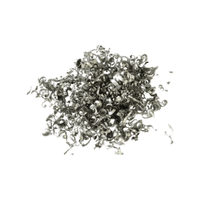
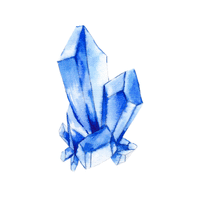
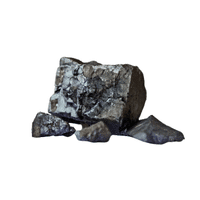
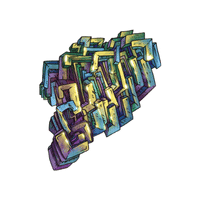
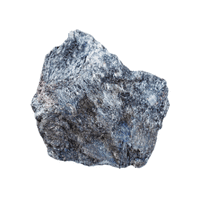
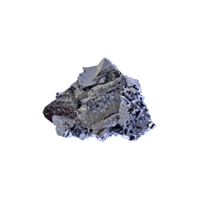
Types of Metals Names and Pictures
Different Types of Metal Name
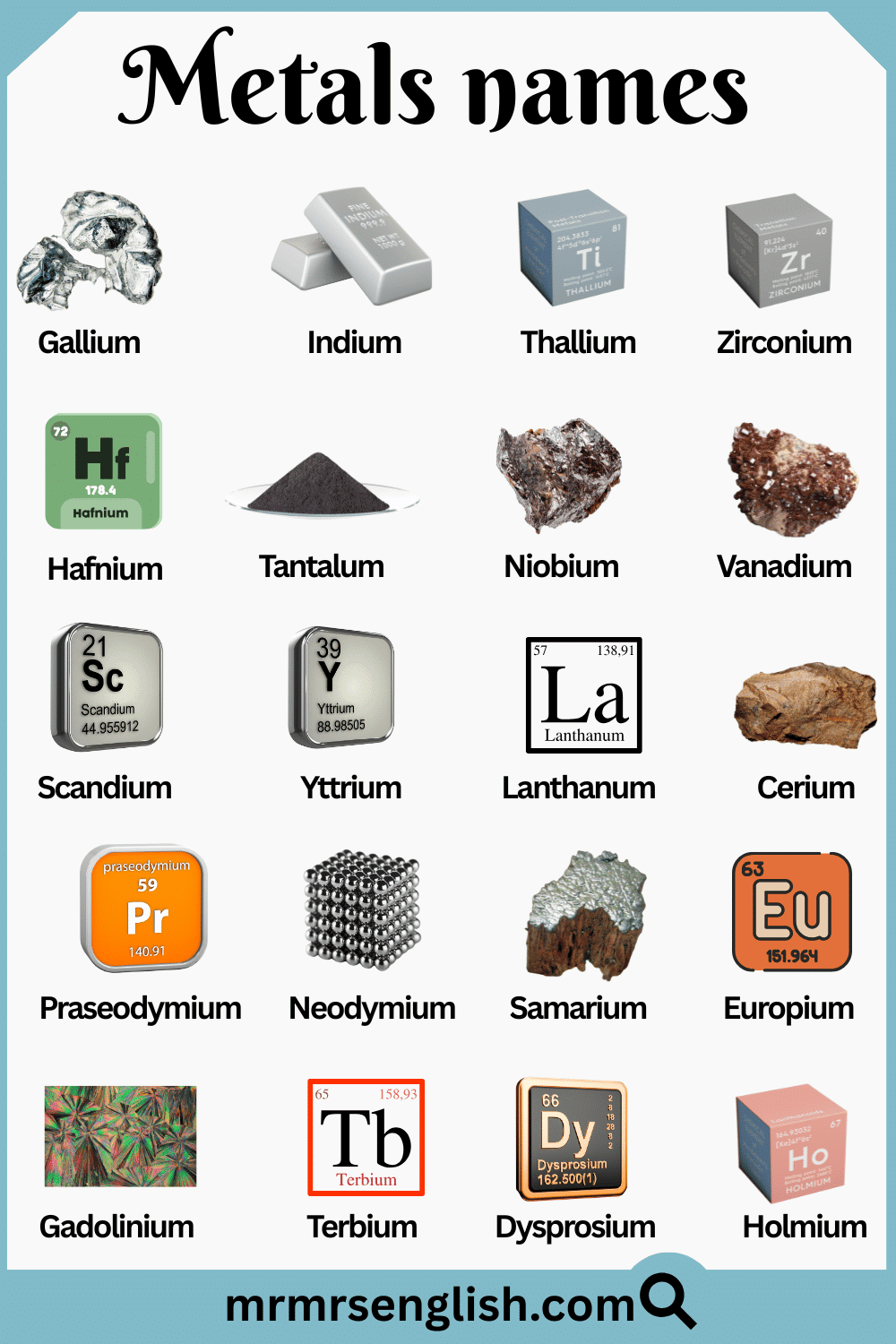
- Gallium
- Indium
- Thallium
- Zirconium
- Hafnium
- Tantalum
- Niobium
- Vanadium
- Scandium
- Yttrium
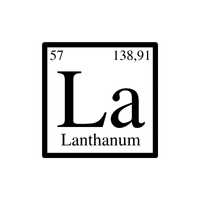
- Lanthanum
- Cerium
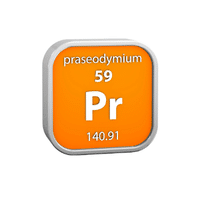
- Praseodymium
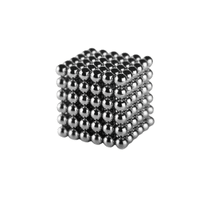
- Neodymium
- Samarium
- Europium
- Gadolinium
- Terbium
- Dysprosium
- Holmium
Different Types of Metals Names and their Pictures
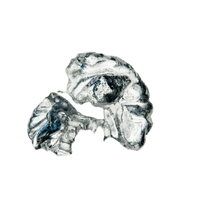
- Gallium
A soft metal that melts in your hand, used in electronics and LEDs.
- Indium
A shiny, soft metal used in touchscreens, TVs, and solar panels.
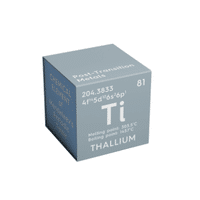
- Thallium
A heavy metal used in electronics and glass, but toxic in large amounts.
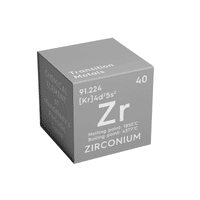
- Zirconium
A strong metal used in nuclear reactors and heat-resistant ceramics.
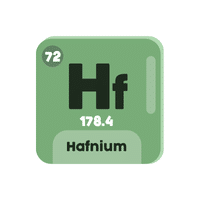
- Hafnium
A rare metal that resists high heat, used in jet engines and control rods.
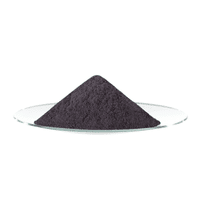
- Tantalum
A corrosion-resistant metal used in phone parts, medical devices, and capacitors.
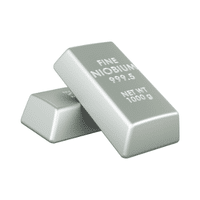
- Niobium
A strong, flexible metal used to strengthen steel and in super magnets.
- Vanadium
A hard metal used to make strong, rust-resistant steel for tools and vehicles.
- Scandium
A light metal used in sports equipment, aircraft parts, and special lights.
- Yttrium
A silvery metal used in white LEDs, lasers, and strong magnets.
- Lanthanum
A soft metal used in camera lenses, batteries, and hybrid car systems.
- Cerium
A reactive metal used in polishing glass and inside lighter flints.
- Praseodymium
A greenish metal used in strong magnets, aircraft engines, and safety glass.
- Neodymium
A rare metal used to make very strong magnets found in headphones and motors.
- Samarium
A metal used in powerful magnets and nuclear reactors.
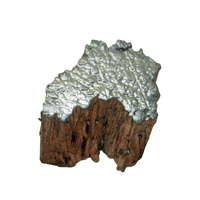
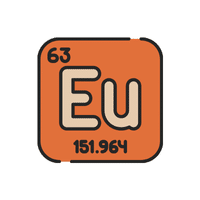
- Europium
A metal that helps TV and computer screens show bright red and blue colors.
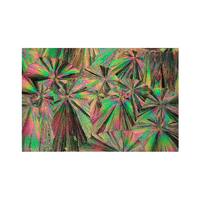
- Gadolinium
A magnetic metal used in MRI scans and contrast agents for medical imaging.
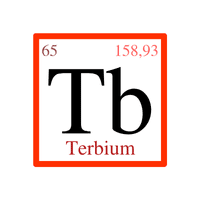
- Terbium
A silvery metal used in green lights, electronics, and energy-saving lamps.
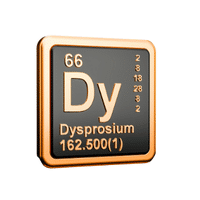
- Dysprosium
A tough metal used in high-heat magnets and nuclear reactor control rods.
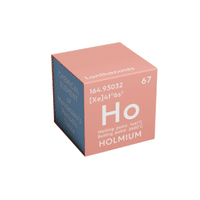
- Holmium
A soft metal used in laser machines and medical imaging tools.
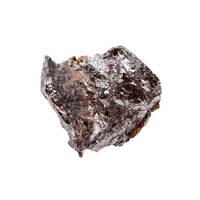
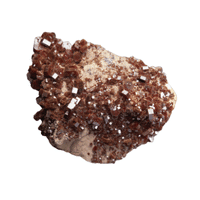
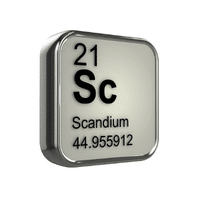
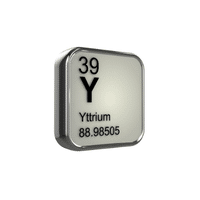
Different Types of Metals Names and their Pictures
80 Types of Metals Names in English
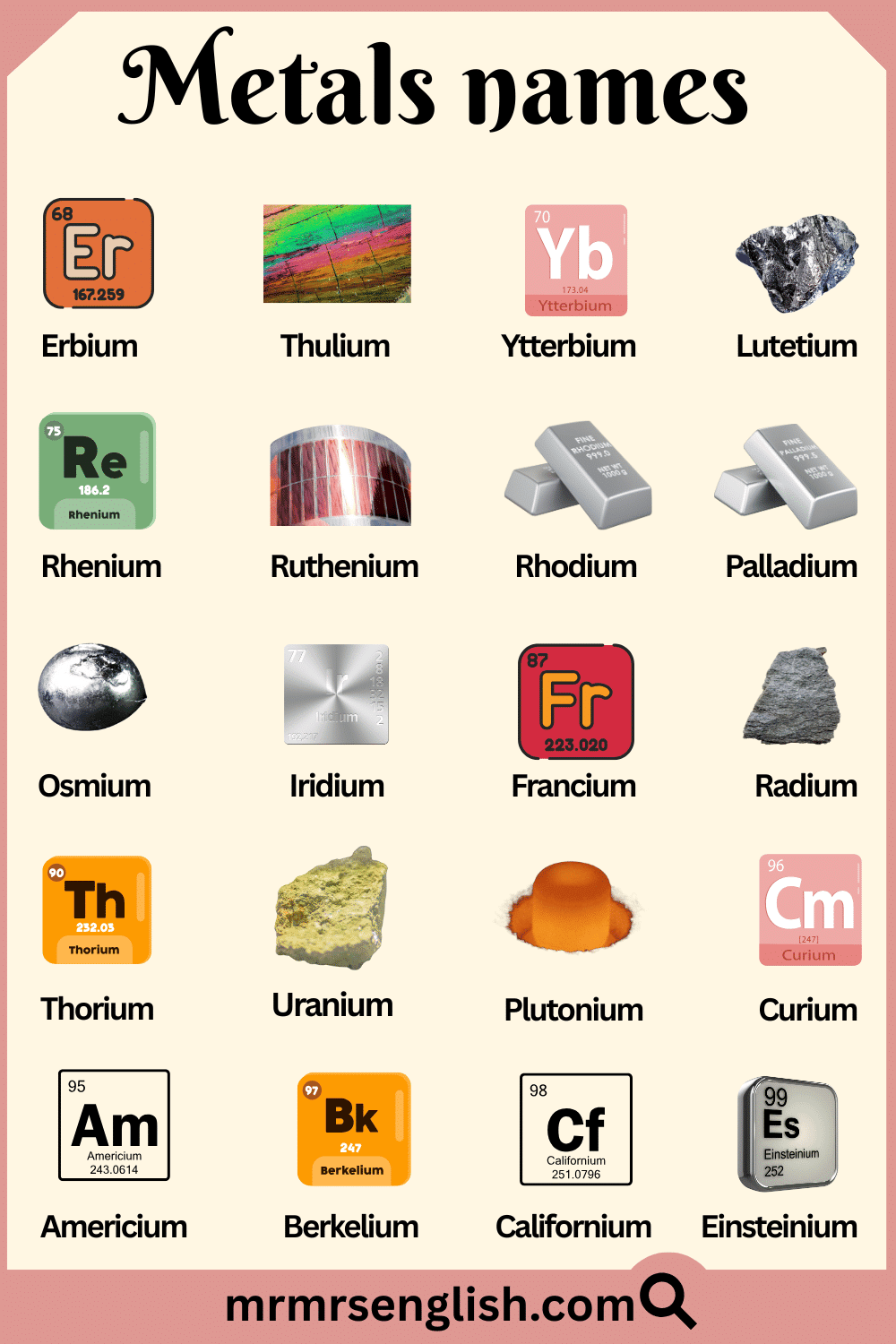
- Erbium
- Thulium
- Ytterbium
- Lutetium
- Rhenium
- Ruthenium
- Rhodium
- Palladium
- Osmium
- Iridium
- Francium
- Radium
- Thorium
- Uranium
- Plutonium
- Curium
- Americium
- Berkelium
- Californium
- Einsteinium
Different Types of Metals and their Pictures
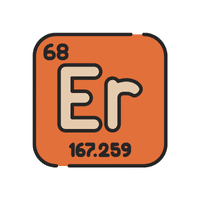
- Erbium
A soft metal used in fiber-optic cables and medical lasers.
- Thulium
A rare metal used in portable X-ray machines and laser devices.
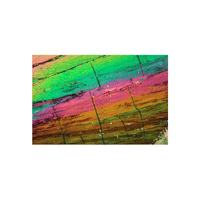
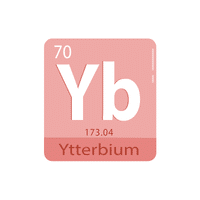
- Ytterbium
A silvery metal used in improving stainless steel and earthquake sensors.
- Lutetium
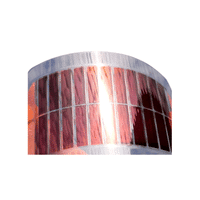
A dense metal used in cancer treatment and special scanning machines.
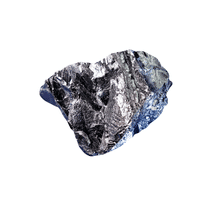
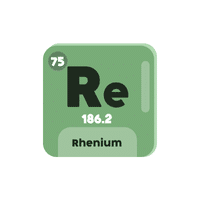
- Rhenium
A rare metal that can handle very high heat, used in jet engines.
- Ruthenium
A hard metal used in electronics, coatings, and strong alloys.
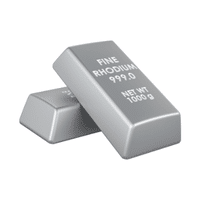
- Rhodium
A shiny, silver metal used in car exhaust systems and jewelry.
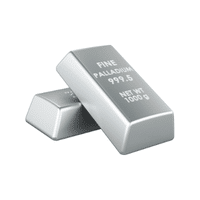
- Palladium
A soft white metal used in car converters and electronics.
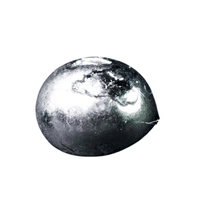
- Osmium
A very hard and dense metal used in fountain pen tips and electrical contacts.
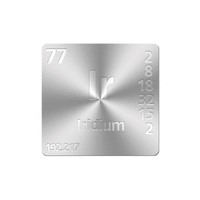
- Iridium
A tough, corrosion-resistant metal used in space equipment and spark plugs.
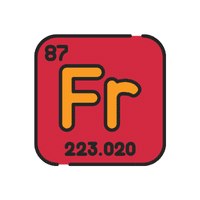
- Francium
An extremely rare and unstable metal found only in labs.
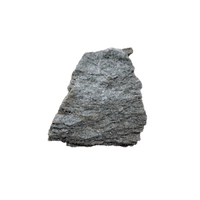
- Radium
A radioactive metal once used in glow-in-the-dark paints, now handled with care.
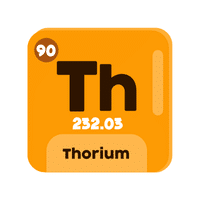
- Thorium
A slightly radioactive metal considered for future nuclear energy sources.
- Uranium
A heavy radioactive metal used in nuclear fuel and weapons.
- Plutonium
A man-made radioactive metal used in nuclear reactors and atomic bombs.
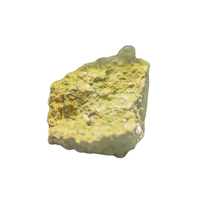
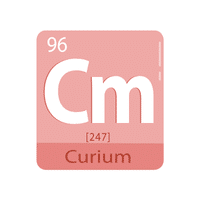
- Curium
A radioactive metal used in space probes and scientific research.
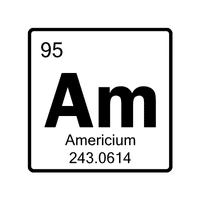
- Americium
A synthetic metal used in smoke detectors and research tools.
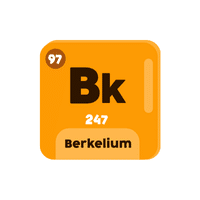
- Berkelium
A lab-made metal used for making heavier radioactive elements.
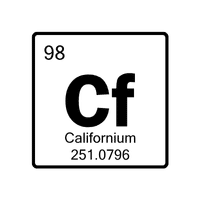
- Californium
A powerful radioactive metal used in nuclear reactors and detecting gold or oil.
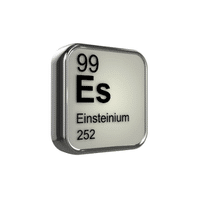
- Einsteinium
A rare, man-made metal studied only in labs for scientific purposes.

Different Types of Metals and their Pictures
80 Leafy Vegetable Name
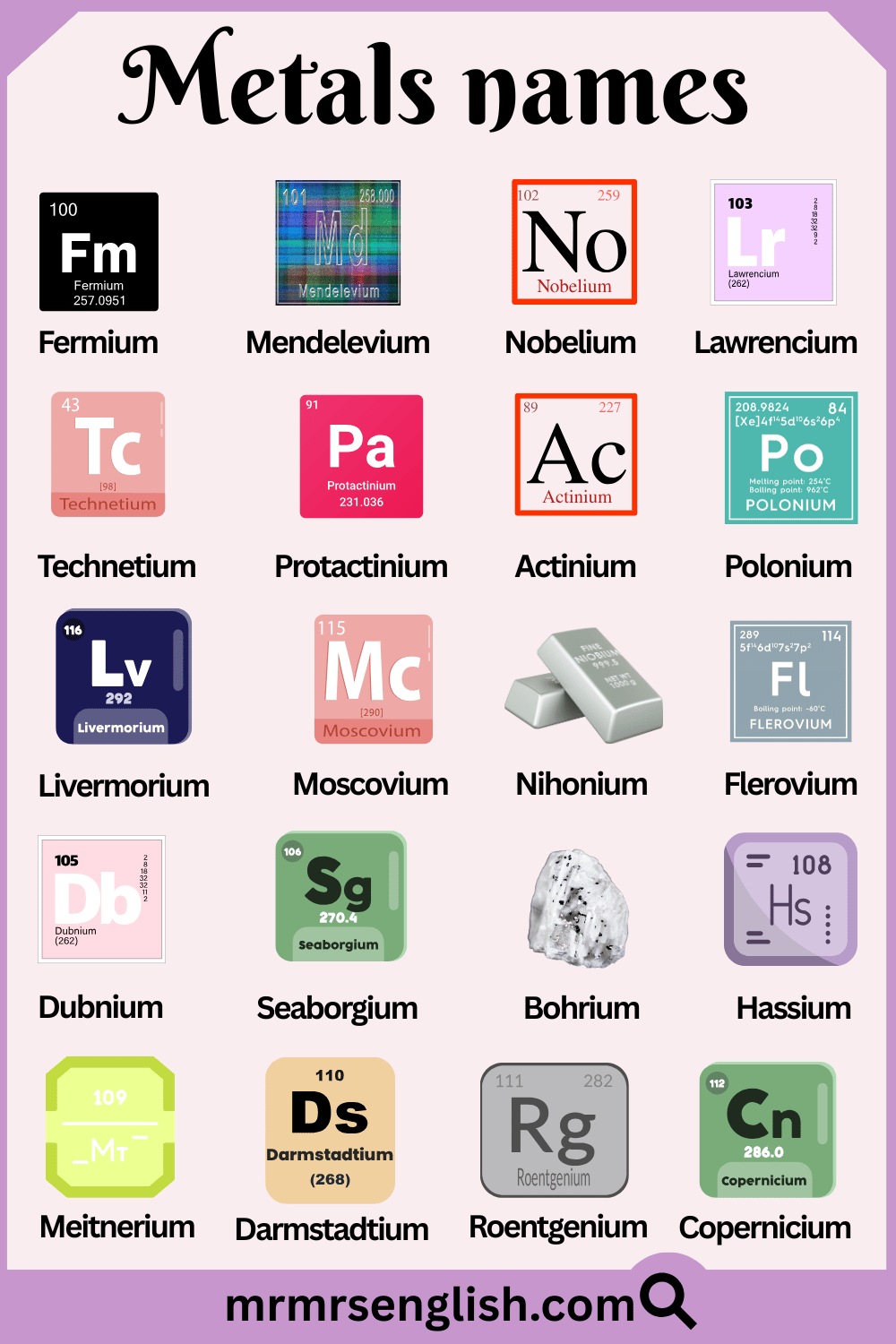
- Fermium
- Mendelevium
- Nobelium
- Lawrencium
- Technetium
- Protactinium
- Actinium
- Polonium
- Livermorium
- Moscovium
- Nihonium
- Flerovium
- Dubnium
- Seaborgium
- Bohrium
- Hassium
- Meitnerium
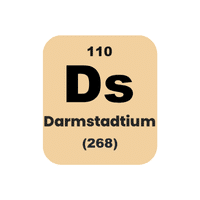
- Darmstadtium
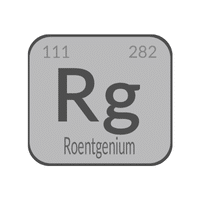
- Roentgenium
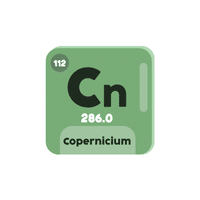
- Copernicium
Common Types of Metals Names with their Pictures
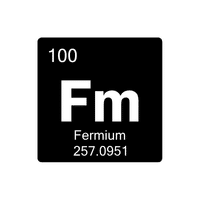
- Fermium
A man-made radioactive metal produced in nuclear reactions, studied in labs only.
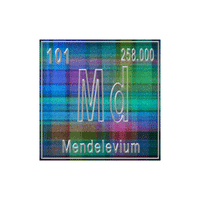
- Mendelevium
A synthetic metal used only in research, named after the creator of the periodic table.
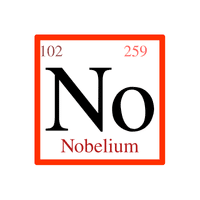
- Nobelium
A radioactive metal with no daily use, studied for scientific understanding.
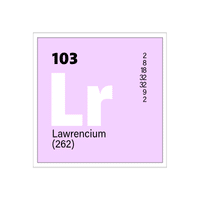
- Lawrencium
A lab-created metal with no common uses, known only through scientific experiments.
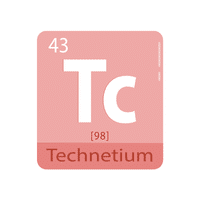
- Technetium
The first man-made element, used in medical imaging and diagnostic scans.
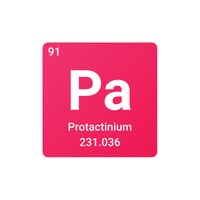
- Protactinium
A rare and radioactive metal found in uranium ores, mainly used in research.
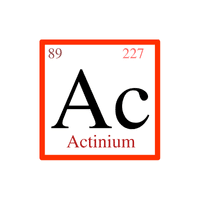
- Actinium
A glowing, radioactive metal used in cancer treatment and scientific work.
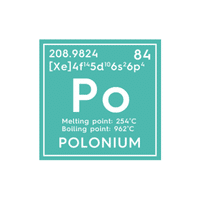
- Polonium
A highly radioactive metal, dangerous in large amounts, studied in labs.
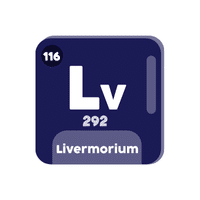
- Livermorium
A lab-made metal that exists for only seconds, studied to learn about heavy elements.
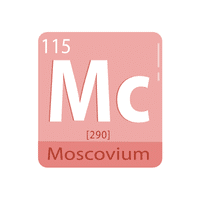
- Moscovium
A synthetic, unstable metal named after Moscow, studied for its atomic structure.
- Nihonium
A man-made element created by scientists in Japan, not used outside research.
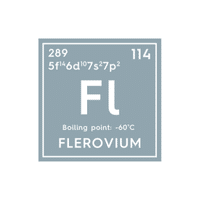
- Flerovium
A very heavy, synthetic metal with a short life, made for nuclear studies.
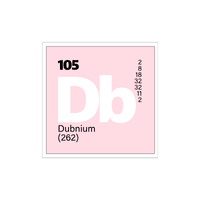
- Dubnium
A man-made radioactive element studied for its position in the periodic table.
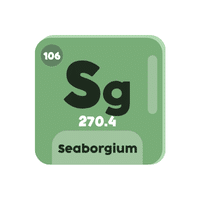
- Seaborgium
Named after a famous scientist, this lab-made metal is used only in research.
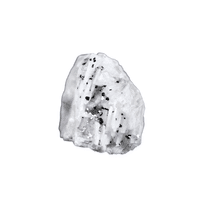
- Bohrium
A synthetic, unstable metal with no practical use, created to explore atomic behavior.
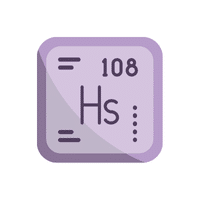
- Hassium
A heavy radioactive element that lasts only a few seconds, studied by scientists.
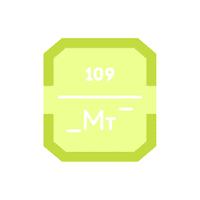
- Meitnerium
A rare, synthetic element created in particle labs, with no outside use.
- Darmstadtium
A very unstable metal discovered in Germany, studied for scientific knowledge.
- Roentgenium
A man-made metal named after the discoverer of X-rays, too unstable for use.
- Copernicium
A heavy synthetic element named after Copernicus, created for advanced science studies.
Common Types of Metals Names in English with their Pictures
Learn more helpful articles






Leave a Comment