
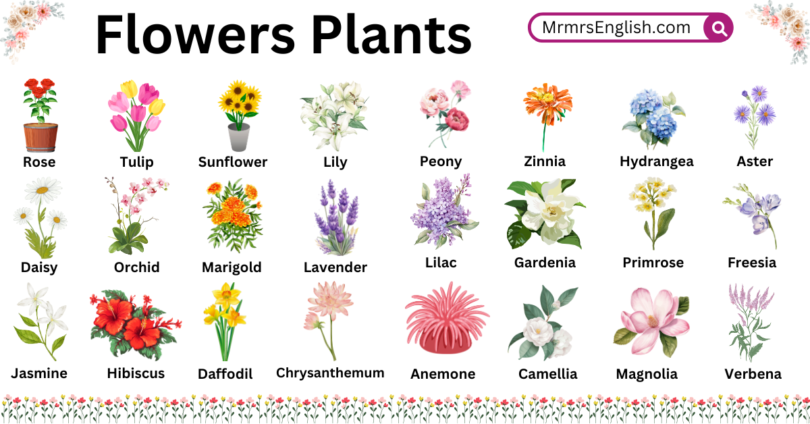
Flowering plants come in many beautiful varieties, shapes, sizes, and colors, adding beauty and fragrance to gardens, parks, and natural landscapes. Common examples include rose plants, sunflower plants, tulip plants, jasmine plants, marigold plants, and hibiscus plants. Some flowering plants are grown for their colorful blooms, while others are valued for their fragrance, medicinal uses, or decorative appeal. Learning flower plant names in English can improve everyday vocabulary and make it easier to recognize plants, understand gardening terms, and talk about nature. In this article, you will learn flower plant names in English with their pictures, helping kids, students, teachers, gardeners, beginners, and English learners identify different flowering plants and learn their names easily.
Flowers Plants Names in English
- Rose
- Tulip
- Sunflower
- Lily
- Daisy
- Orchid
- Marigold
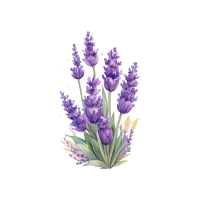
- Lavender
- Jasmine
- Hibiscus
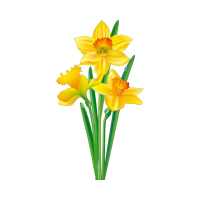
- Daffodil
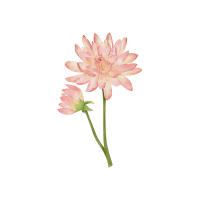
- Chrysanthemum
- Petunia
- Begonia
- Lotus
- Iris
- Carnation
- Poppy
- Snapdragon
- Geranium
Names and Pictures of Flowers Plants
- Rose:
A fragrant flower with soft petals, often symbolizing love and beauty.

- Tulip:
A vibrant, cup-shaped flower that blooms in spring, symbolizing perfect love.
- Sunflower:
A tall flower with bright yellow petals, known for following the sun’s direction.
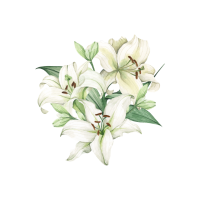
- Lily:
A graceful flower with large petals, symbolizing purity and devotion.
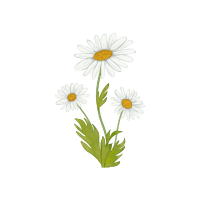
- Daisy:
A simple white flower with a yellow center, often representing innocence.
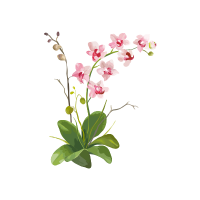
- Orchid:
An exotic flower known for its unique shapes and vibrant colors.
- Marigold:
A bright orange or yellow flower, often used in decorations and ceremonies.
- Lavender:
A fragrant purple flower known for its calming and soothing properties.
- Jasmine:
A small, white, sweet-scented flower, often used in perfumes and teas.
- Hibiscus:
A large, colorful flower that grows in warm climates, symbolizing beauty.
- Daffodil:
A bright yellow flower that signals the arrival of spring.
- Chrysanthemum:
A bushy flower with layered petals, symbolizing longevity and happiness.
- Petunia:
A trumpet-shaped flower that comes in various colors, popular in gardens.
- Begonia:
A flowering plant with bright blooms and waxy leaves, often grown indoors.
- Lotus:
A sacred flower in many cultures, blooming in water, symbolizing purity and enlightenment.
- Iris:
A tall flower with elegant, colorful petals, often associated with royalty.
- Carnation:
A ruffled flower, often symbolizing love and admiration.
- Poppy:
A delicate flower with papery petals, often associated with remembrance.
- Snapdragon:
A unique flower that resembles a dragon’s mouth, popular in gardens.
- Geranium:
A vibrant flower with rounded petals, often grown in window boxes.









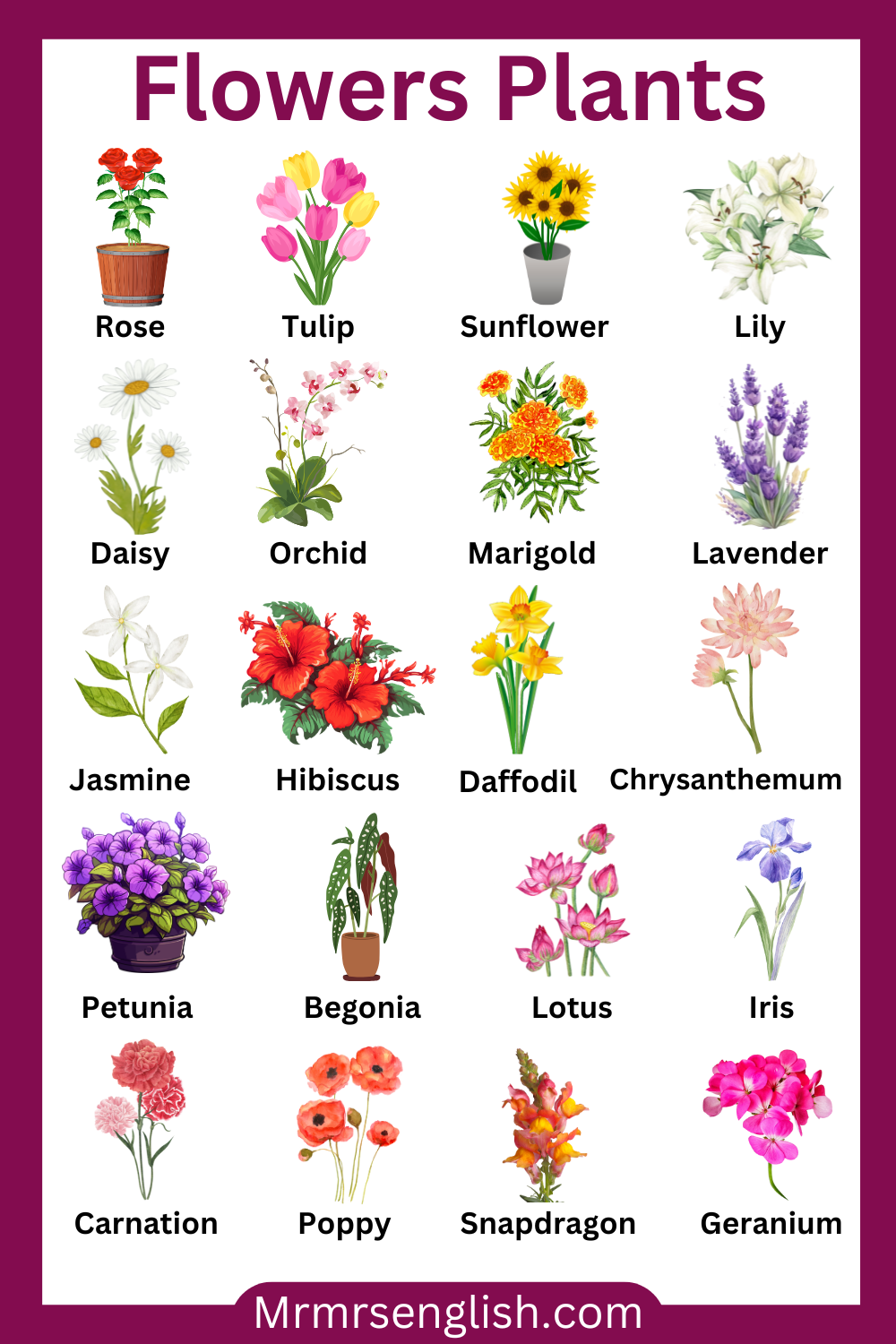
Names and Pictures of Flowers Plants
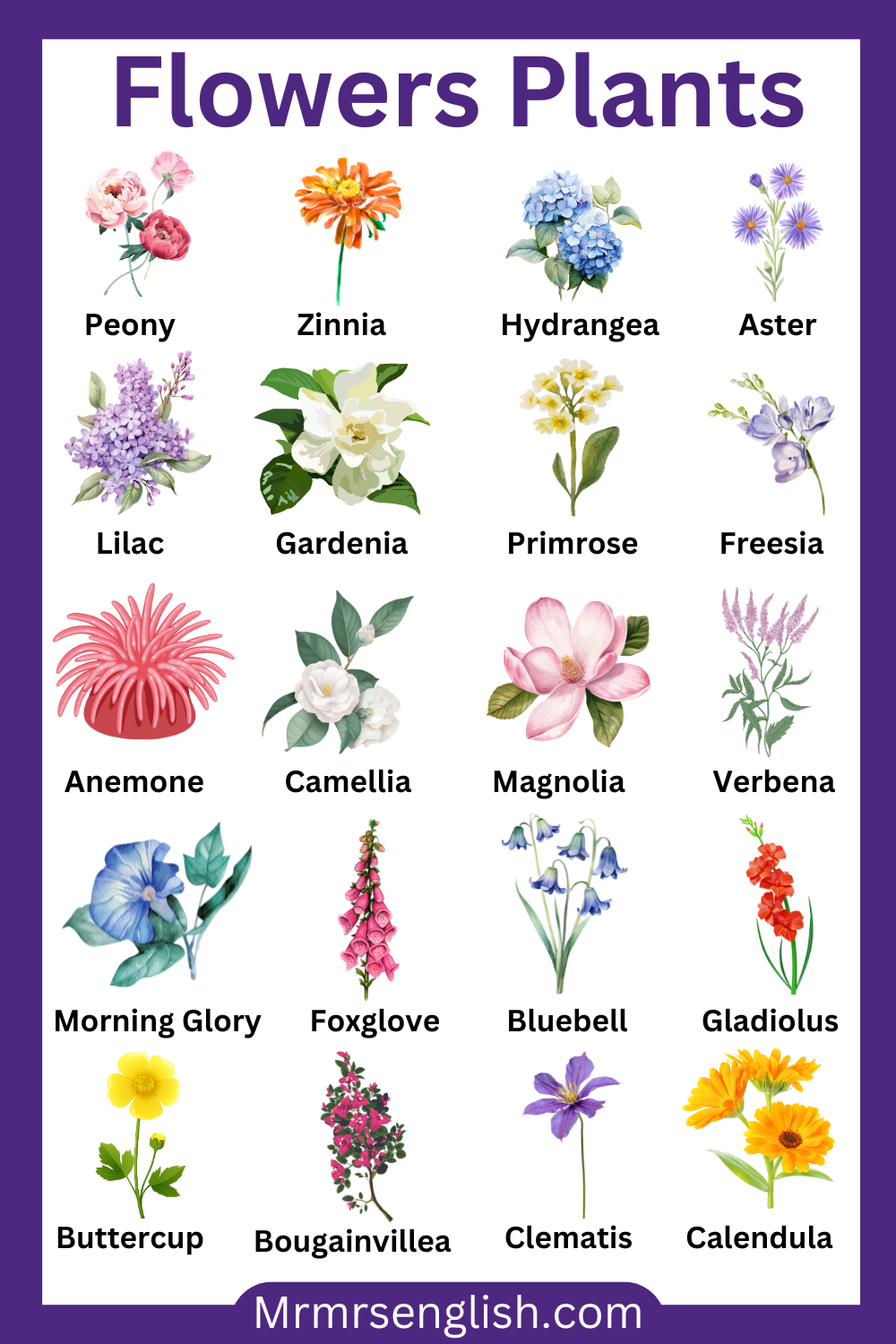
Flowers list in English
- Peony
- Zinnia
- Hydrangea
- Aster
- Lilac
- Gardenia
- Primrose
- Freesia
- Anemone
- Camellia
- Magnolia
- Verbena
- Morning Glory
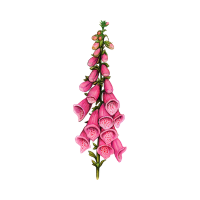
- Foxglove
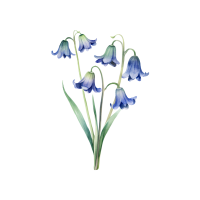
- Bluebell
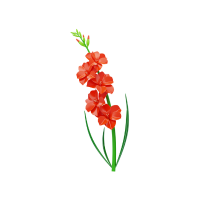
- Gladiolus
- Buttercup
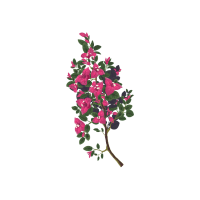
- Bougainvillea
- Clematis
- Calendula
Pictures and Names of Flowers Plants
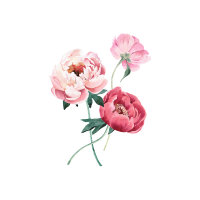
- Peony:
A large, fragrant flower with soft, layered petals, symbolizing romance and prosperity.
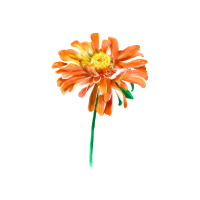
- Zinnia:
A colorful, daisy-like flower that represents lasting friendship and affection.
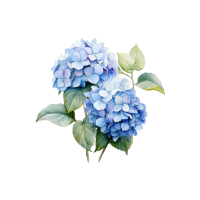
- Hydrangea:
A cluster-forming flower with vibrant colors, symbolizing gratitude and heartfelt emotions.
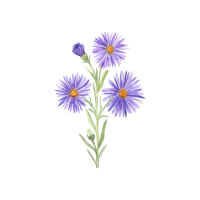
- Aster:
A star-shaped flower that blooms in late summer, symbolizing love and wisdom.
- Lilac:
A sweetly scented flower in shades of purple or white, symbolizing first love.
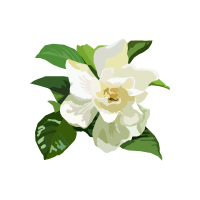
- Gardenia:
A fragrant white flower often used in bouquets, symbolizing purity and trust.
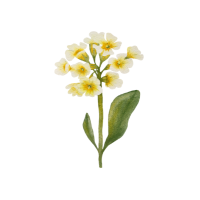
- Primrose:
A small, early-blooming flower that symbolizes youth and renewal.
- Freesia:
A fragrant, bell-shaped flower that symbolizes innocence and friendship.
- Anemone:
A delicate, wind-blown flower that symbolizes protection and anticipation.
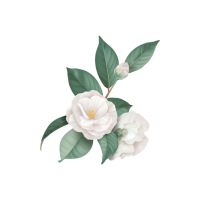
- Camellia:
A glossy-leaved flower in vibrant colors, symbolizing admiration and perfection.
- Magnolia:
A large, fragrant flower on a tree, symbolizing dignity and strength.
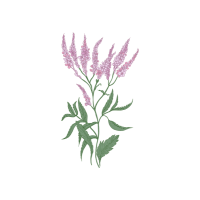
- Verbena:
A small cluster flower often used in gardens, symbolizing healing and protection.
- Morning Glory:
A climbing flower that blooms early in the day, symbolizing affection and renewal.
- Foxglove:
A tall, tubular flower known for its unique shape, symbolizing creativity and confidence.
- Bluebell:
A bell-shaped flower found in woodlands, symbolizing gratitude and humility.
- Gladiolus:
A tall flower with sword-like leaves, symbolizing strength and integrity.
- Buttercup:
A small, bright yellow flower, symbolizing cheerfulness and charm.
- Bougainvillea:
A vibrant, vine-like flower often found in warm climates, symbolizing passion.
- Clematis:
A climbing flower with delicate petals, symbolizing ingenuity and art.
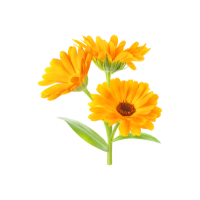
- Calendula:
A bright orange or yellow flower, symbolizing warmth and joy.







Pictures and Names of Flowers Plants
Learn Also





Leave a Comment