
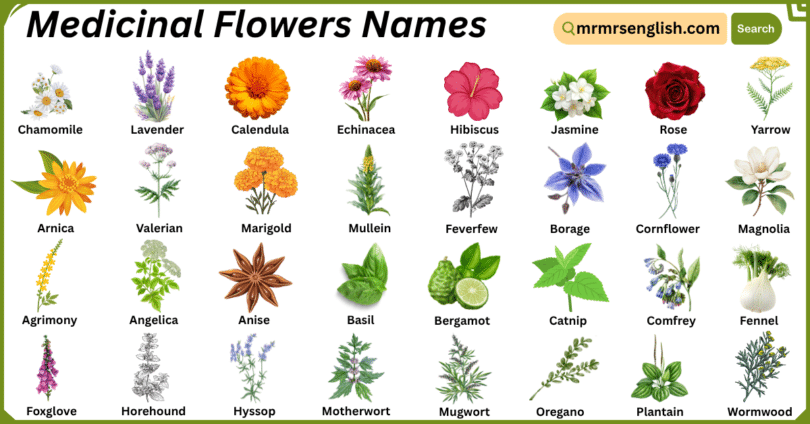
Medicinal flowers are flowering plants traditionally used in herbal preparations, wellness practices, and natural remedies in different cultures. They come in many varieties, including chamomile, lavender, calendula, echinacea, hibiscus, and elderflower, each known for different traditional uses and characteristics. Learning the names of medicinal flowers is a useful way to improve English vocabulary while becoming familiar with plants commonly associated with herbal traditions. In this article, you will learn medicinal flower names in English with clear pictures, helping kids, students, teachers, gardeners, herbal learners, and English learners easily identify, remember, understand, and use these flower names with confidence.
Table of Contents
ToggleList of Medicinal Flowers with Names
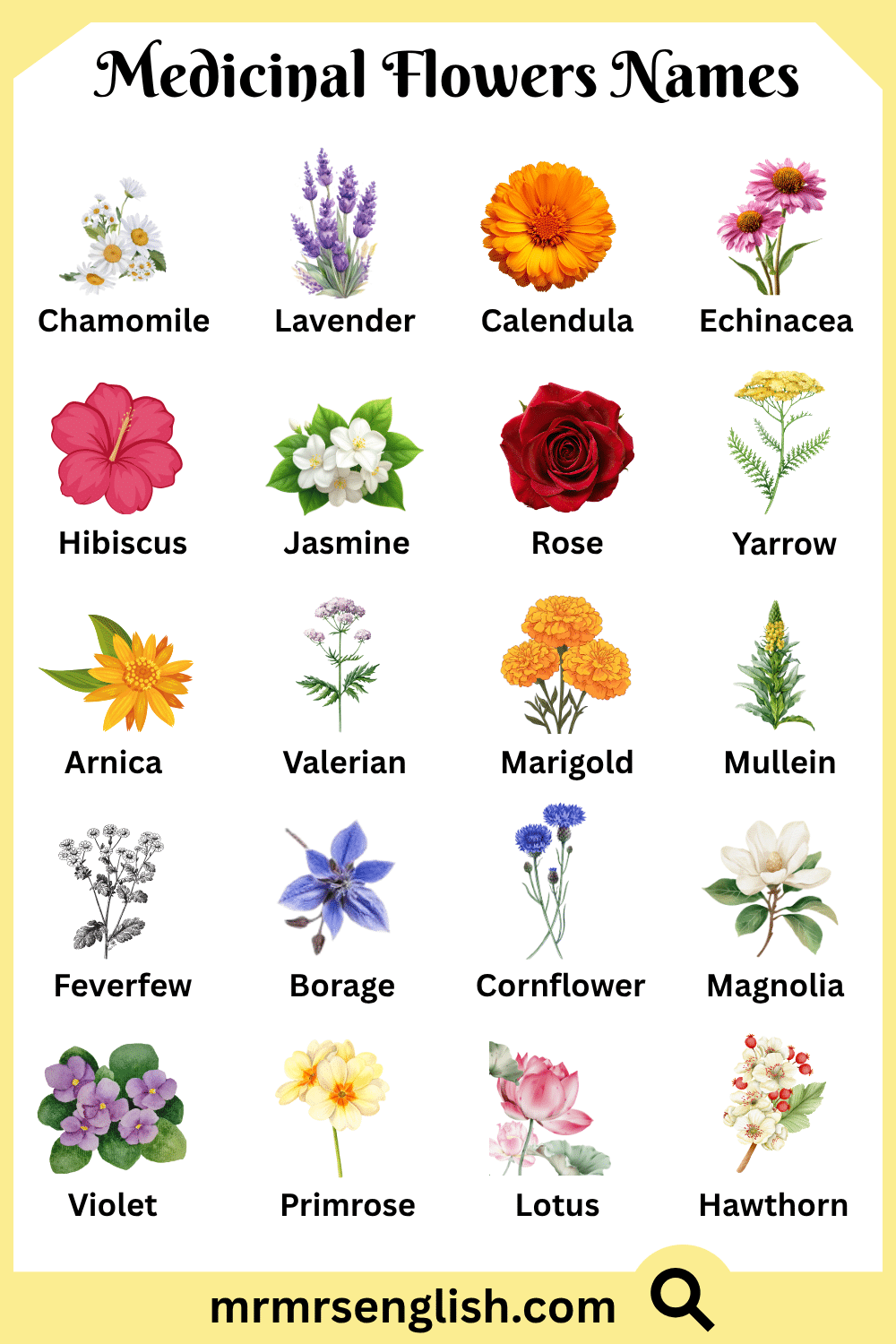
- Chamomile
- Lavender
- Calendula
- Echinacea
- Hibiscus
- Jasmine
- Rose
- Yarrow
- Arnica
- Valerian
- Marigold
- Mullein
- Feverfew
- Borage
- Cornflower
- Magnolia
- Violet
- Primrose
- Lotus
- Hawthorn
Names of Medicinal Flowers with Pictures
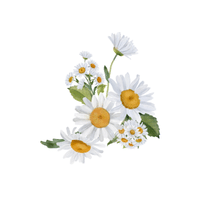
- Chamomile
A gentle flowering herb traditionally used in teas, especially for relaxation, while its daisy-like flowers have a pleasant apple-like aroma.

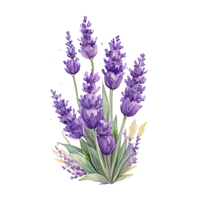
- Lavender
A fragrant purple flower traditionally valued in herbal practices for relaxation, with an aroma commonly used in calming preparations.
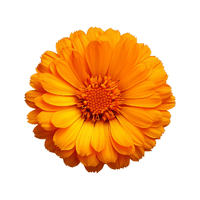
- Calendula
A bright orange or yellow flower traditionally used in herbal skin preparations because of its soothing properties.
- Echinacea
A purple flowering herb traditionally used in herbal remedies, especially preparations made from its roots, leaves, or flowers.
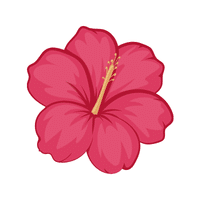
- Hibiscus
A colorful flower commonly prepared as a tart herbal tea and traditionally valued for its refreshing qualities.
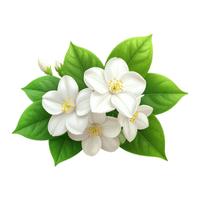
- Jasmine
A highly fragrant flower traditionally used in herbal teas and aromatic preparations, especially for its pleasant and calming scent.
- Rose
Rose petals are traditionally used in teas and herbal preparations, while their fragrance makes them popular in natural skincare.
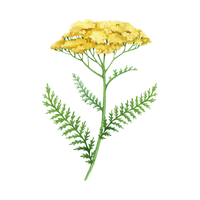
- Yarrow
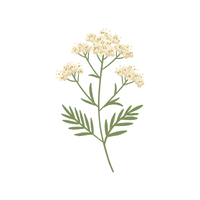
A small flowering herb traditionally used in herbal preparations, with feathery leaves and clusters of tiny white or pink flowers.
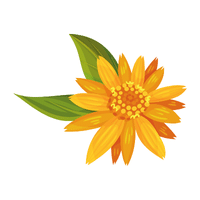
- Arnica
A yellow mountain flower traditionally used externally in herbal preparations for bruised or sore areas, rather than taken internally.
- Valerian
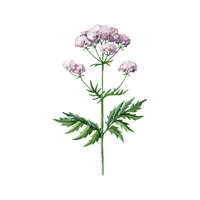
A flowering herb traditionally valued for its calming properties, with roots commonly used in herbal preparations for relaxation.
- Marigold
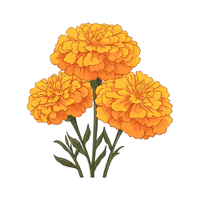
A bright flowering plant traditionally used in herbal skincare preparations, particularly because its petals are considered soothing for the skin.
- Mullein
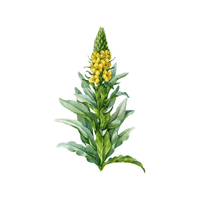
A tall flowering herb traditionally used in herbal remedies, with soft leaves and yellow flowers growing along upright stems.
- Feverfew
A small flowering herb traditionally used in herbal practices, recognized by its daisy-like flowers and strongly aromatic leaves.
- Borage
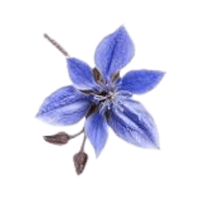
A blue-flowered herb traditionally used in herbal preparations, recognized by its star-shaped blooms and cucumber-like flavor.
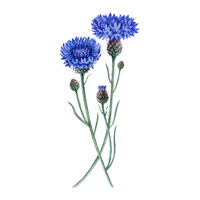
- Cornflower
A striking blue flower traditionally used in herbal practices and commonly recognized for its vivid color and delicate petals.
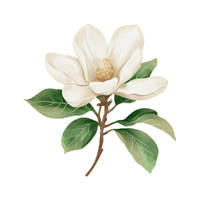
- Magnolia
A fragrant flowering plant traditionally valued in herbal practices, with large blossoms and aromatic parts used in various preparations.
- Violet
A small purple flower traditionally used in herbal preparations, especially teas and soothing remedies, with a delicate natural fragrance.
- Primrose
A spring flower traditionally valued in herbal practices, with bright blossoms and roots or leaves used in selected preparations.
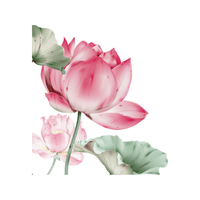
- Lotus
A water-growing flower traditionally used in herbal practices, with petals, seeds, and other parts appearing in various preparations.
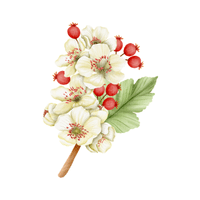
- Hawthorn
A flowering plant traditionally used in herbal preparations, especially those made from its flowers, leaves, and berries.





Names of Medicinal Flowers with Pictures
20 Medicinal Flowers with Names
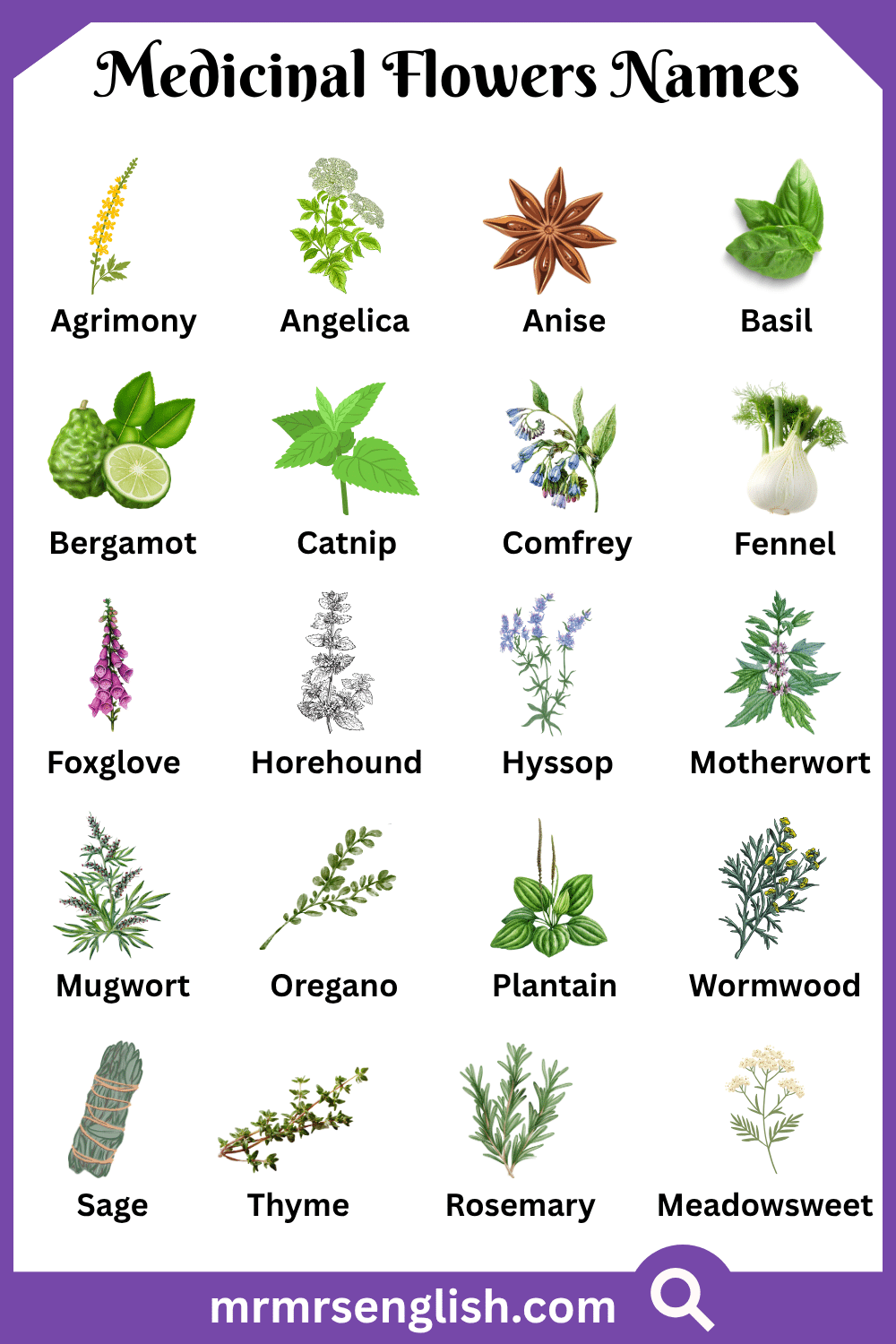
- Agrimony
- Angelica
- Anise
- Basil
- Bergamot
- Catnip
- Comfrey
- Fennel
- Foxglove
- Horehound
- Hyssop
- Motherwort
- Mugwort
- Oregano
- Plantain
- Wormwood
- Sage
- Thyme
- Rosemary
- Meadowsweet
Wild Medicinal Flowers Names with Pictures
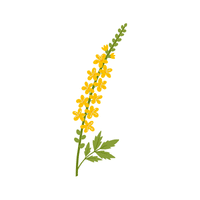
- Agrimony
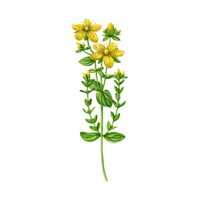
A yellow-flowered herb traditionally used in herbal practices, often prepared as a tea from its leaves and flowering tops.
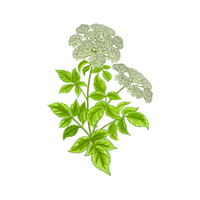
- Angelica
A tall aromatic herb traditionally used in herbal remedies, valued for its roots and distinctive scent.
- Anise
A fragrant flowering herb producing small white blooms and aromatic seeds, traditionally used in teas and digestive preparations.
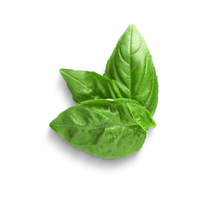
- Basil
A fragrant herb with small flowers, traditionally valued in herbal practices and widely used for its aromatic leaves.
- Bergamot
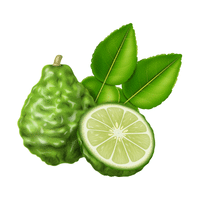
A fragrant flowering plant traditionally used in herbal teas and aromatic preparations, with flowers that attract bees and butterflies.
- Catnip
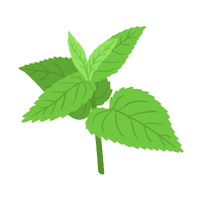
A flowering herb traditionally used in calming herbal teas, producing small pale flowers and aromatic leaves.
- Comfrey
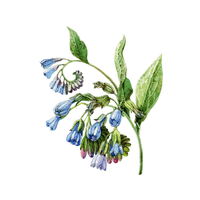
A leafy flowering herb traditionally used externally in herbal preparations, especially for soothing skin and supporting comfort around sore areas.
- Fennel
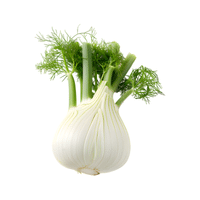
A flowering herb with delicate yellow clusters, traditionally used in herbal teas and preparations supporting comfortable digestion.
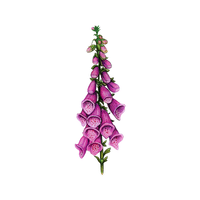
- Foxglove
A tall plant with beautiful bell-shaped flowers containing powerful compounds used medically; it is highly toxic without professional supervision.
- Horehound
A bitter flowering herb traditionally used in herbal preparations, especially soothing teas made from its leaves and flowering stems.
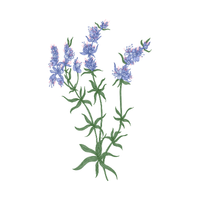
- Hyssop
A fragrant flowering herb traditionally used in herbal teas and preparations, recognized by its small blue or purple flowers.
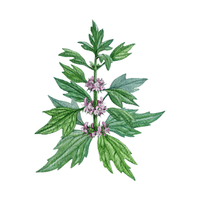
- Motherwort
A tall flowering herb traditionally used in herbal practices, with pinkish flowers and deeply divided leaves.
- Mugwort
A strongly aromatic flowering herb traditionally used in various herbal traditions, with silvery leaves and small inconspicuous flowers.
- Oregano
A fragrant herb producing small flowers, traditionally valued for its aromatic leaves and use in herbal preparations.
- Plantain
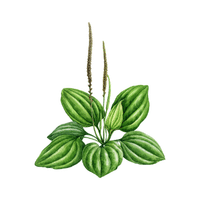
A common flowering herb traditionally used externally in folk remedies, with broad leaves and small flowers arranged on tall spikes.
- Wormwood
A strongly bitter flowering herb traditionally used in herbal practices, recognized by its silvery foliage and small yellow flowers.
- Sage
A fragrant herb with small flowers, traditionally used in herbal teas and preparations, while its leaves are widely valued.
- Thyme
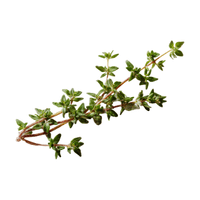
A small aromatic herb with tiny flowers, traditionally used in herbal preparations and valued for its pleasant, strong fragrance.
- Rosemary
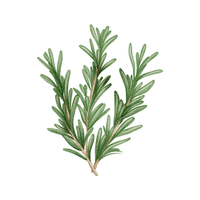
A fragrant herb with small blue flowers, traditionally used in herbal practices and commonly valued for its aromatic leaves.
- Meadowsweet
A sweet-scented flowering herb traditionally used in herbal teas, recognized by its creamy flower clusters and pleasant fragrance.




Wild Medicinal Flowers Names with Pictures
Herbal Medicinal Flowers with Names
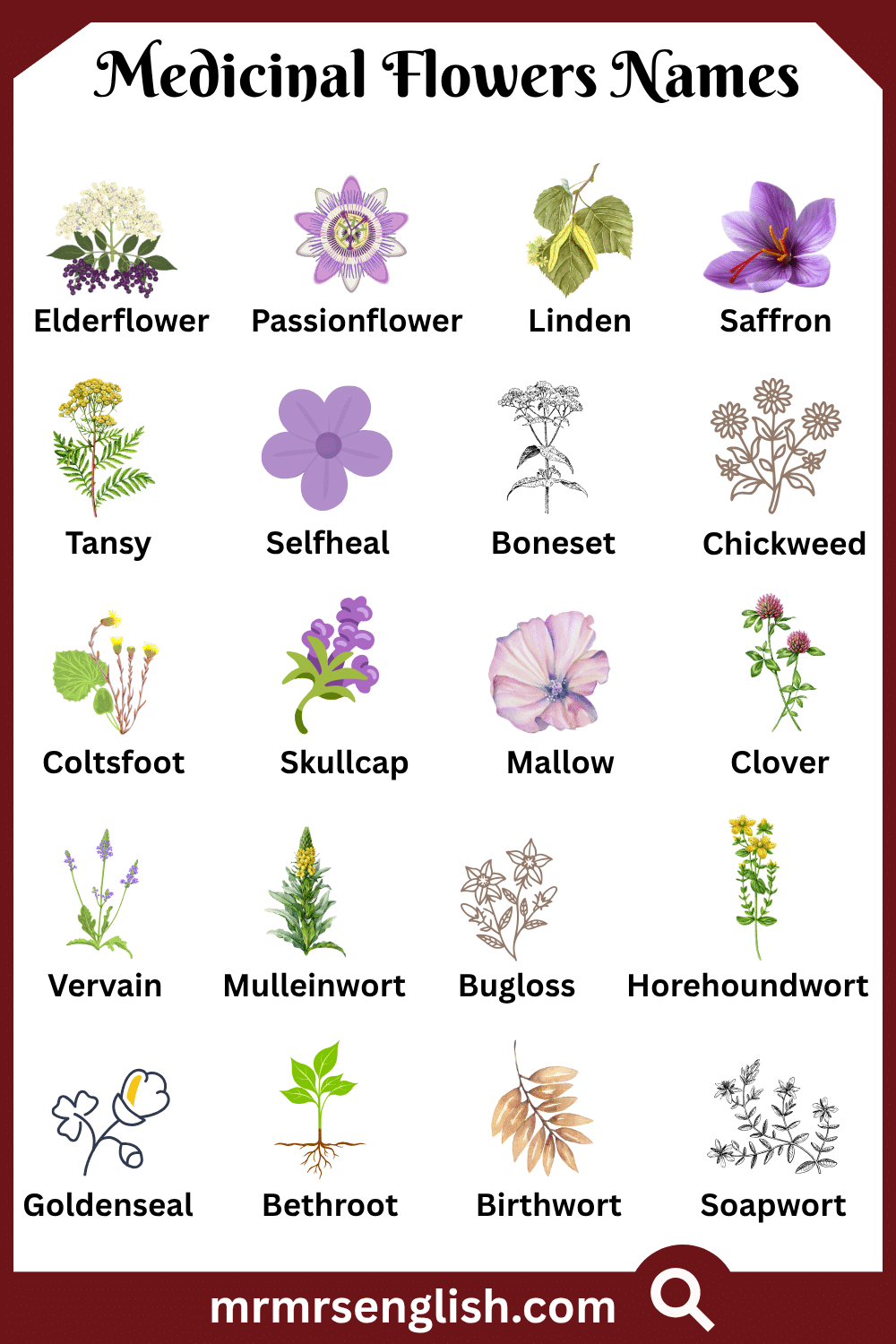
- Elderflower
- Passionflower
- Linden
- Saffron
- Tansy
- Selfheal
- Boneset
- Chickweed
- Coltsfoot
- Skullcap
- Mallow
- Clover
- Vervain
- Mulleinwort
- Bugloss
- Horehoundwort
- Goldenseal
- Bethroot
- Birthwort
- Soapwort
Top Medicinal Flowers Names with Pictures
- Elderflower
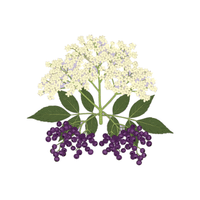
Small creamy flowers from the elder plant are traditionally used in herbal teas and preparations for their delicate floral flavor.
- Passionflower
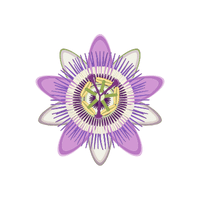
A striking flower traditionally used in calming herbal preparations, with unusual petals and a distinctive central structure.
- Linden
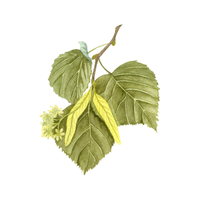
A fragrant flowering tree traditionally used for herbal tea, especially valued for its delicate flowers and pleasant aroma.
- Saffron
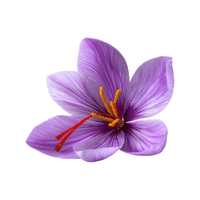
A purple flower whose red stigmas are collected as saffron, traditionally valued as a culinary spice and herbal ingredient.
- Tansy
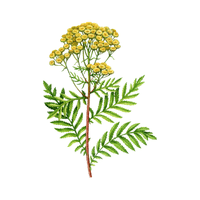
A strongly scented flowering herb with yellow button-like blooms, traditionally used in herbal practices but requiring careful handling.
- Selfheal
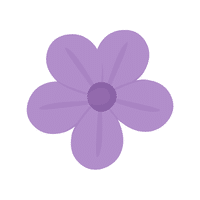
A small purple-flowered herb traditionally used in folk medicine, commonly recognized by its compact flower spikes and low growth.
- Boneset
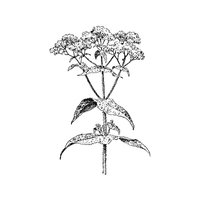
A tall herb with clusters of small white flowers, traditionally used in herbal preparations and recognized by its paired leaves.
- Chickweed
A small flowering herb with tiny white blooms, traditionally used fresh or prepared as an herbal remedy.
- Coltsfoot
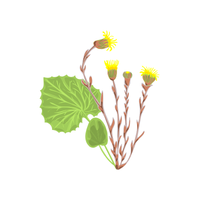
A yellow-flowered herb that traditionally appears early in spring, with its flowers emerging before the broad leaves.
- Skullcap
A small flowering herb with delicate blooms, traditionally used in herbal practices for calming and relaxation.
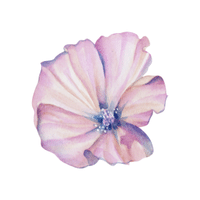
- Mallow
A soft-stemmed flowering herb with rounded leaves and gentle blooms, traditionally used in soothing herbal preparations.
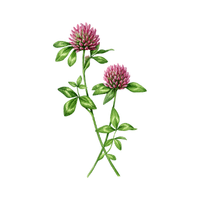
- Clover
A familiar flowering herb producing rounded flower heads, traditionally used in herbal practices and valued by pollinating insects.
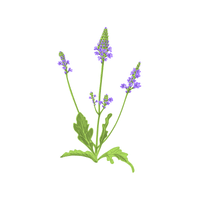
- Vervain
A slender flowering herb traditionally used in herbal practices, producing small flowers along tall, branching stems.
- Mulleinwort
A flowering herb traditionally associated with herbal preparations, recognized for its upright growth and soft foliage.
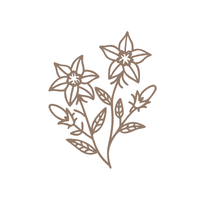
- Bugloss
A flowering herb with blue or purple blooms, traditionally used in herbal practices and recognized for its rough-textured leaves.
- Horehoundwort
A bitter flowering herb related to traditional herbal practices, recognized by its small flowers and strongly aromatic foliage.
- Goldenseal
A woodland herb with small flowers and yellow roots, traditionally valued in herbal practices but best used with guidance.
- Bethroot
A woodland flowering plant traditionally used by some Indigenous herbal traditions, recognized by its distinctive three-part leaf structure.
- Birthwort
A climbing flowering herb traditionally used in historical herbal practices, but many species contain harmful compounds and require caution.
- Soapwort
A flowering plant traditionally used as a natural cleanser because its roots and leaves contain soap-like compounds called saponins.
Top Medicinal Flowers Names with Pictures
Learn more Helpful Articles



Leave a Comment