
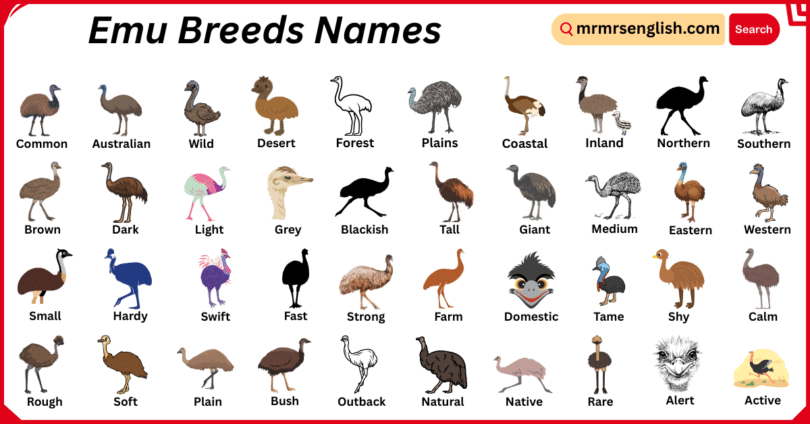
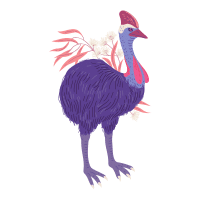
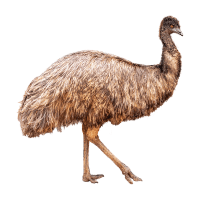
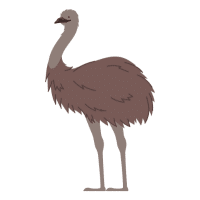
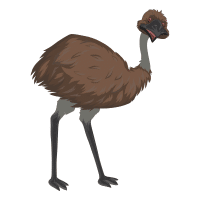
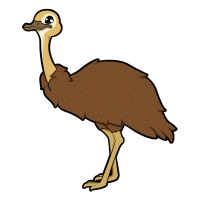
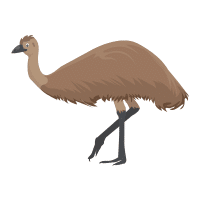
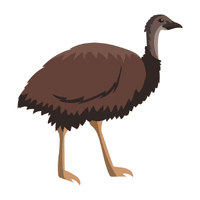
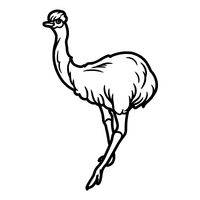
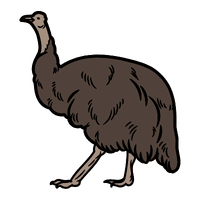
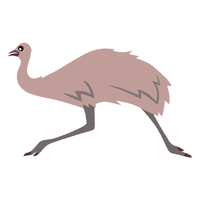
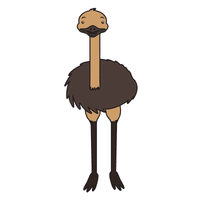
- Emus are large flightless birds that belong to Australia and are known for their long legs, powerful running ability, and soft, shaggy feathers. They are the second-largest birds in the world after ostriches and usually live in open plains, grasslands, and forests. Different emu breeds can vary slightly in size, feather color, behavior, and adaptability to their environment. Some appear darker, while others may look lighter or more brownish depending on their region. Learning emu breeds with their correct English names and pictures helps students, farmers, and bird lovers easily recognize and understand them. This guide is useful for anyone who wants to explore emus in a simple and interesting way.
20 Names of Emu Breeds
- Common
- Australian
- Wild
- Desert
- Forest
- Plains
- Coastal
- Inland
- Northern
- Southern
- Eastern
- Western
- Brown
- Dark
- Light
- Grey
- Blackish
- Tall
- Giant
- Medium
Names of Emu Breeds in English with PicturesTable of Contents
Toggle
Table of Contents
ToggleCommon
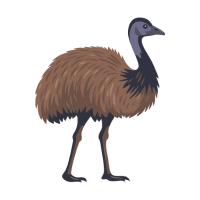
Common emu lives across Australia, runs fast, has shaggy feathers, social nature, adapts to farms and plains.

Australian
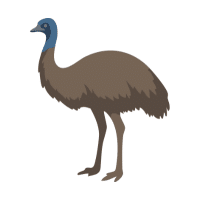
Australian emu native to Australia, tall bird, strong legs, shaggy feathers, fast runner, survives hot dry climates.
Wild
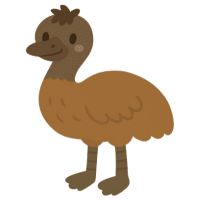
Wild emu avoids humans, lives freely in bush, runs quickly, forages plants, insects, and small animals daily.
Desert
Desert emu survives extreme heat, walks long distances, finds water, eats tough plants, and stays highly alert.
Forest
Forest emu lives near trees, moves quietly, feeds on leaves, fruits, insects, and seeks shade during day.
Plains
Plains emu prefers open grasslands, runs fast, sees far distances, grazes plants, and travels widely each day.
Coastal
Coastal emu lives near beaches, tolerates salty winds, searches food along shores, and roams dunes at sunrise.
Inland
Inland emu inhabits dry interior regions, walks far, finds waterholes, feeds on hardy native vegetation for survival.
Northern
Northern emu lives in tropical areas, tolerates heat, roams savannas, feeds widely, and travels seasonally for food.
Southern
Southern emu inhabits cooler regions, grows thicker feathers, walks widely, and forages varied plants through open fields.
Eastern
Eastern emu ranges along coast, adapts forests and plains, feeds plants, runs swiftly, and stays alert daily.
Western
Western emu lives in arid lands, walks long distances, searches water, feeds tough shrubs, survives heat well.
Brown
Brown emu has dark brown feathers, blends with landscape, runs fast, feeds plants, and stays cautious always.
Dark
Dark emu shows deeper feather color, absorbs warmth, runs swiftly, forages widely, and blends surroundings for safety.
Light
Light emu displays paler feathers, reflects heat, walks steadily, feeds plants, and stays active during hot days.
Grey
Grey emu has soft gray feathers, camouflages well, runs quickly, forages plants, and remains watchful at night.
Blackish
Blackish emu shows darker plumage, absorbs warmth, walks far, feeds plants, and stays alert in open plains.
Tall
Tall emu stands high, sees far distances, runs fast, covers ground quickly, and avoids predators with ease.
Giant
Giant emu grows very large, powerful legs, runs swiftly, forages widely, and dominates habitat in open areas.
Medium
Medium emu has balanced size, strong legs, runs fast, forages plants, and adapts environments with great ease.


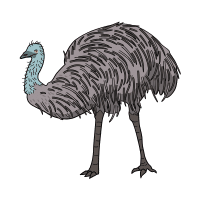

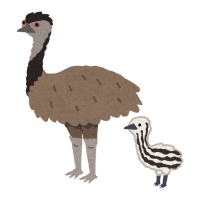

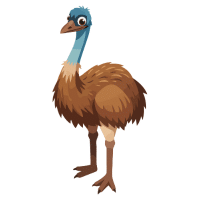
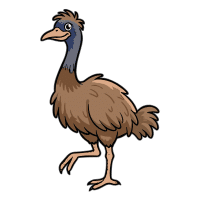

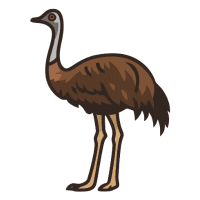
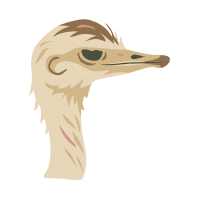
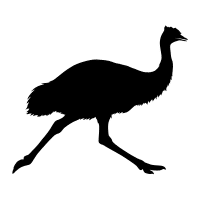
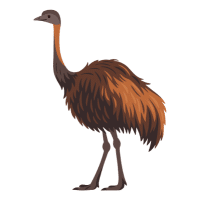

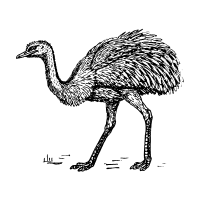

Names of Emu Breeds in English with Pictures
Popular Name of Emu Breeds in English
- Small
- Hardy
- Swift
- Fast
- Strong
- Farm
- Domestic
- Tame
- Shy
- Calm
- Alert
- Active
- Rough
- Soft
- Plain
- Bush
- Outback
- Natural
- Native
- Rare
Types of Emu Names in English with Pictures
Small
Small emu is shorter, lighter body, moves quickly, feeds plants, and fits small farms very well too.
Hardy
Hardy emu withstands heat, drought, long travel, finds food easily, and survives harsh conditions very effectively daily.
Swift
Swift emu runs extremely fast, covers distance quickly, escapes danger, and moves with strong strides each day.
Fast
Fast emu accelerates quickly, outruns threats, travels far, searches food, and stays alert in open landscapes daily.
Strong
Strong emu has powerful legs, kicks hard, runs fast, walks far, and protects itself from predators nearby.
Farm
Farm emu is raised by humans, fed regularly, kept safe, and used for meat and feathers too.
Domestic
Domestic emu lives with humans, calm temperament, fed daily, protected, and raised for products like leather feathers.
Tame
Tame emu becomes friendly, tolerates humans, eats from hands, and stays near farms without much fear usually.
Shy
Shy emu avoids contact, keeps distance, watches surroundings, runs away quickly when threatened by people or animals.
Calm
Calm emu stays relaxed, moves slowly, tolerates presence, feeds peacefully, and rarely becomes aggressive toward humans nearby.
Alert
Alert emu constantly watches surroundings, senses danger early, reacts quickly, and runs to safety when needed most.
Active
Active emu moves often, walks long distances, searches food, explores habitat, and remains energetic throughout the day.
Rough
Rough emu has coarse feathers, lives wild, endures weather, walks far, and survives tough environments very well.
Soft
Soft emu shows fluffy feathers, gentle touch, calm nature, walks slowly, and stays peaceful most of time.
Plain
Plain emu has simple coloring, blends landscape, walks quietly, feeds plants, and avoids attention from predators nearby.
Bush
Bush emu lives among shrubs, hides easily, forages plants, moves quietly, and stays protected from danger nearby.
Outback
Outback emu survives remote deserts, walks long distances, finds scarce water, and endures heat very effectively daily.
Natural
Natural emu lives wild, follows instincts, forages freely, avoids humans, and thrives independently in open landscapes naturally.
Native
Native emu belongs to Australia, adapted perfectly, lives freely, forages plants, and roams widely across vast lands.
Rare
Rare emu appears uncommon, fewer in number, protected, studied carefully, and valued for conservation by scientists today.
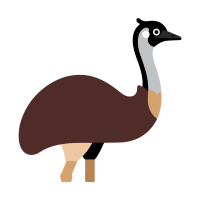




Learn more Helpful Articles






Leave a Comment