
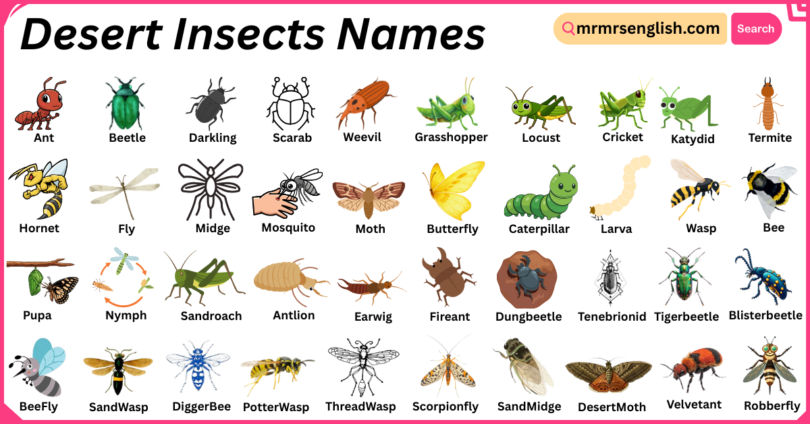
Desert insects are amazing creatures that have adapted to survive in very hot, dry, and harsh environments. Even though deserts may seem empty, many insects live there and play an important role in the ecosystem. These insects have special features that help them save water, hide from predators, and survive extreme temperatures. Some desert insects are active during the night, while others stay hidden in sand or under rocks during the day. Common examples include ants, beetles, grasshoppers, and scorpions. In this article, you will learn the names of different desert insects in English along with their pictures, which will help you recognize them easily and improve your English vocabulary.
20 Names of Desert Insects
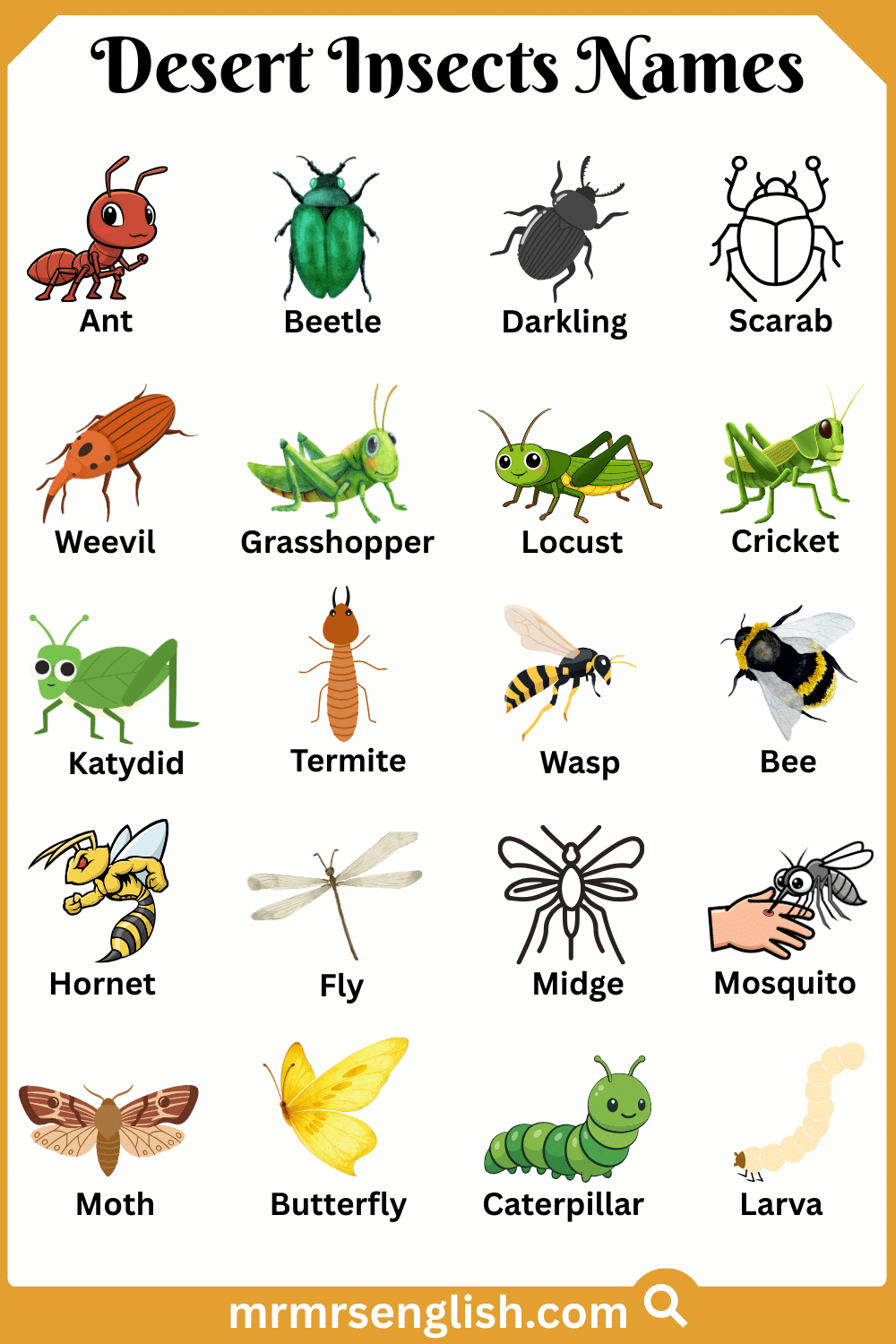
- Ant
- Beetle
- Darkling
- Scarab
- Weevil
- Grasshopper
- Locust
- Cricket
- Katydid
- Termite
- Wasp
- Bee
- Hornet
- Fly
- Midge
- Mosquito
- Moth
- Butterfly
- Caterpillar
- Larva
Names of Desert Insects in English with Their Pictures
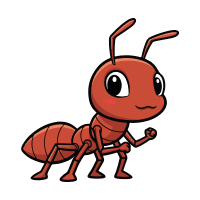
Ant
A small hardworking insect that lives in colonies and often survives desert heat by building underground nests.

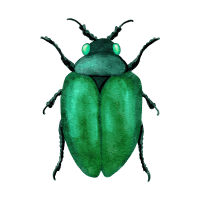
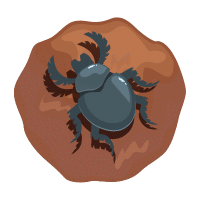
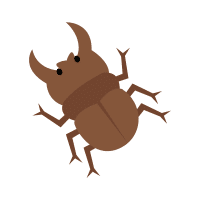
Beetle
A hard-shelled insect, many desert species survive extreme heat by hiding under sand or rocks.
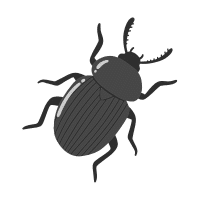
Darkling
A desert beetle well adapted to dry environments and often active during cooler nighttime hours.
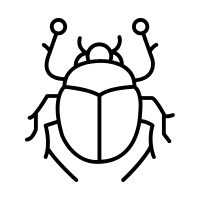
Scarab
A strong beetle known for rolling dung and surviving in hot desert regions.
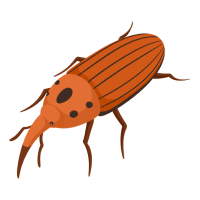
Weevil
A small beetle with a long snout that feeds on plants and seeds.
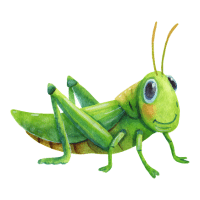
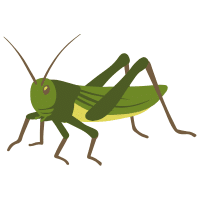
Grasshopper
A jumping insect with strong hind legs that feeds on desert plants.
Locust
A type of grasshopper that can gather in large swarms and travel long distances.
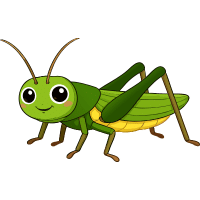
Cricket
A small insect known for chirping sounds and usually active during the night.
Katydid
A green insect related to grasshoppers, known for leaf-like wings that help it hide.
Termite
A social insect living in colonies and feeding mainly on wood and plant material.
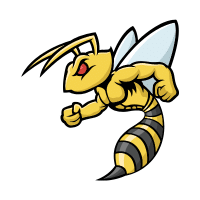
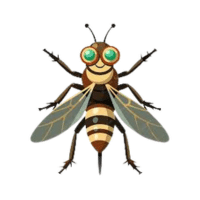
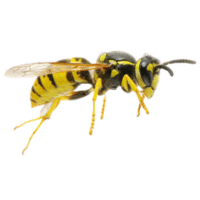
Wasp
A flying insect with a narrow waist that hunts other insects or feeds on nectar.
Bee
A useful insect that collects nectar and pollen while helping pollinate desert plants.
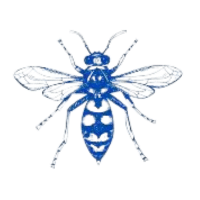
Hornet
A large type of wasp known for strong stings and building paper-like nests.
Fly
A common two-winged insect found in many habitats including dry desert areas.
Midge
A tiny flying insect often seen near water or damp places even in deserts.
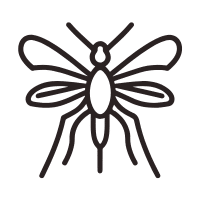
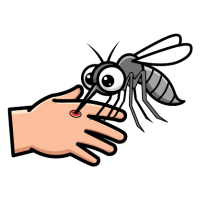
Mosquito
A small insect whose young develop in water and whose adults may bite animals.
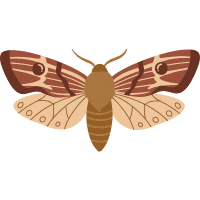
Moth
A flying insect related to butterflies, often active at night in desert environments.
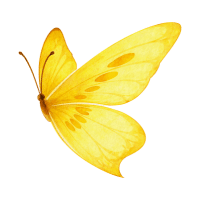
Butterfly
A colorful flying insect that feeds on nectar and helps pollinate flowers.
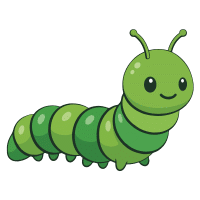
Caterpillar
The soft worm-like larval stage of butterflies and moths that eats plant leaves.
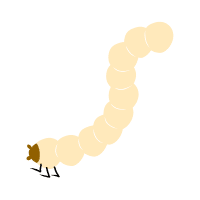
Larva
The early growing stage of many insects before they transform into adult forms.
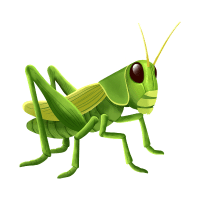
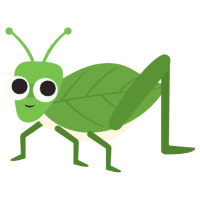
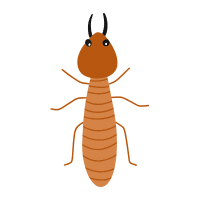
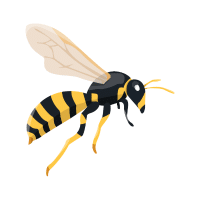
Names of Desert Insects in English with Their Pictures
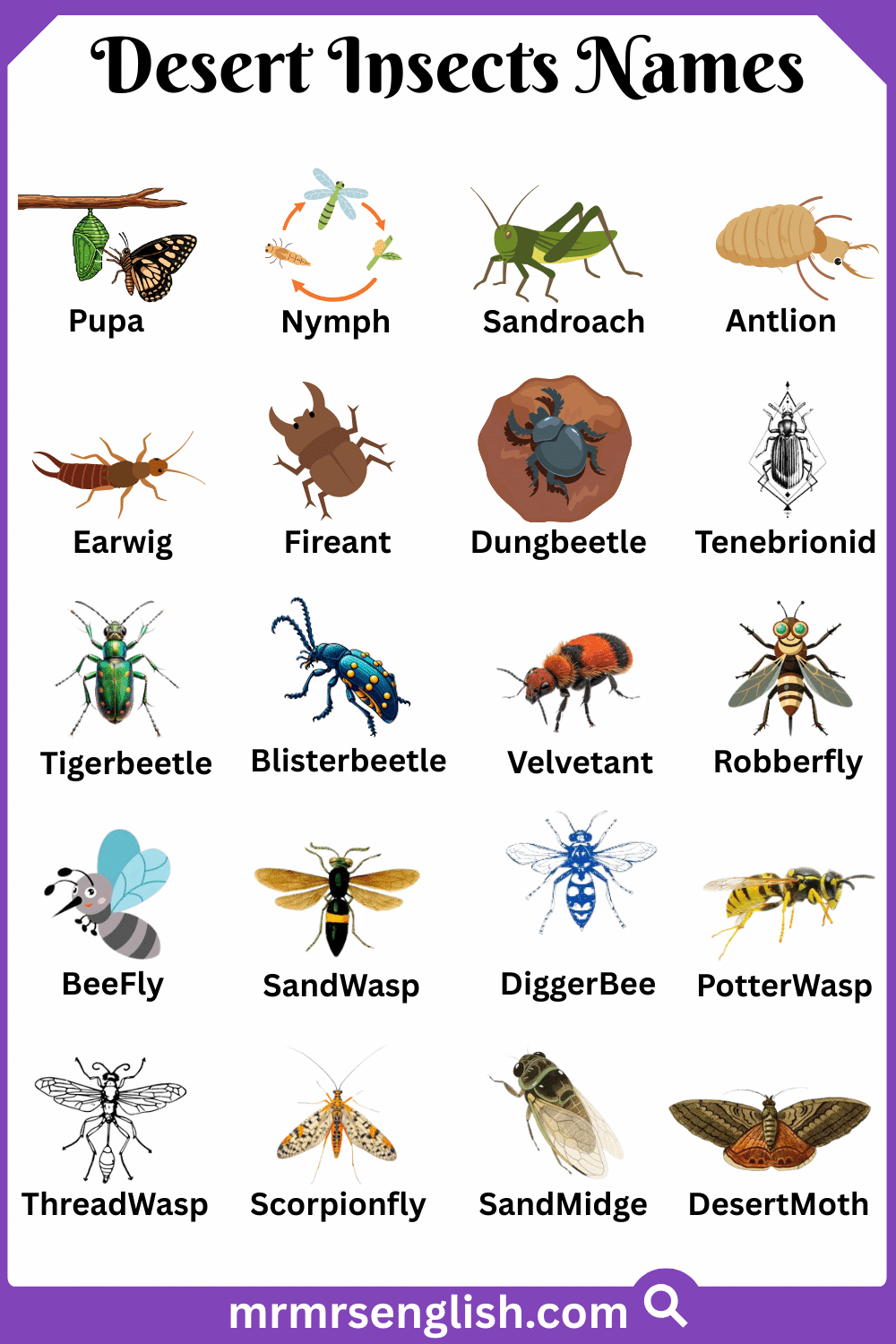
Popular Desert Insect in English
- Pupa
- Nymph
- Sandroach
- Antlion
- Earwig
- Fireant
- Dungbeetle
- Tenebrionid
- Tigerbeetle
- Blisterbeetle
- Velvetant
- Robberfly
- BeeFly
- SandWasp
- DiggerBee
- PotterWasp
- ThreadWasp
- Scorpionfly
- SandMidge
- DesertMoth
Types of Desert Insects in English with Their Pictures
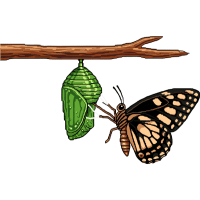
Pupa
A resting stage when an insect changes from larva into its adult form.
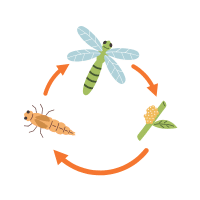
Nymph
A young stage of some insects that looks similar to the adult but smaller.
Sandroach
A desert cockroach that lives in sandy soil and stays hidden during hot daytime hours.
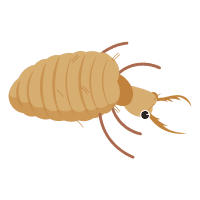
Antlion
A desert insect whose larvae dig small sand pits to trap ants and other insects.
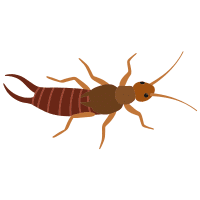
Earwig
A small insect with pincers at the end of its body used for protection.
Fireant
A type of ant known for its painful sting and aggressive colony behavior.
Dungbeetle
A beetle that rolls animal dung and uses it as food or for laying eggs.
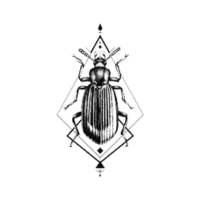
Tenebrionid
A group of darkling beetles well adapted to desert life and dry conditions.
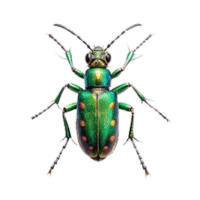
Tigerbeetle
A fast running beetle that hunts other insects on hot sandy ground.
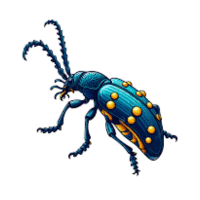
Blisterbeetle
A soft-bodied beetle that releases a chemical causing skin irritation when touched.
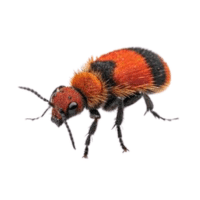
Velvetant
A hairy wingless wasp often called a velvet ant and known for a strong sting.
Robberfly
A strong predatory fly that catches other insects while flying in the air.
BeeFly
A hairy fly that looks like a bee and feeds on flower nectar.
SandWasp
A desert wasp that digs nests in sand and hunts insects to feed its young.
DiggerBee
A solitary bee that builds nests by digging tunnels in sandy soil.
PotterWasp
A wasp known for building small clay pot-like nests for its eggs.
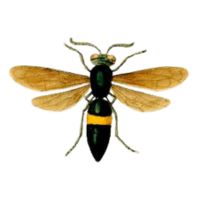
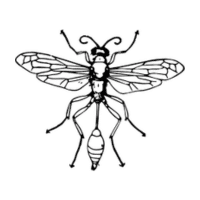
ThreadWasp
A slender wasp with a very thin waist that hunts insects in desert areas.
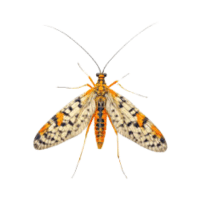
Scorpionfly
An unusual insect with a curved tail shape that resembles a scorpion.
SandMidge
A tiny flying insect often found in sandy desert areas.
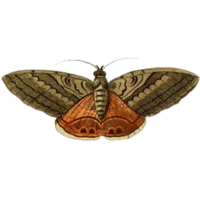
DesertMoth
A moth species adapted to dry desert habitats and usually active during night.
Learn more Helpful Articles



Leave a Comment